
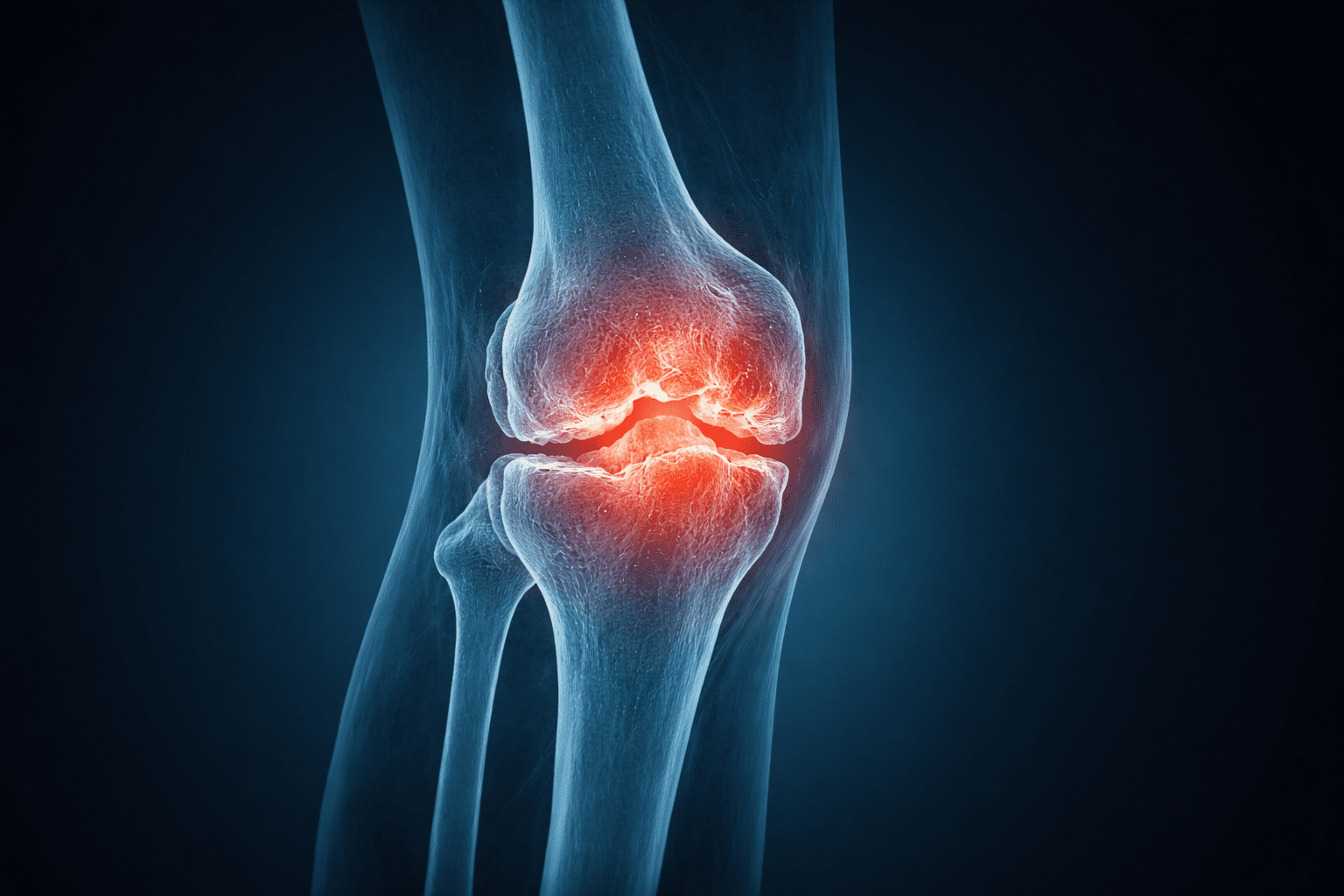
As we age, it’s not unusual to experience changes in our bodies, and one of the most common issues that affect people over 50 is arthritis and joint pain. If you’re experiencing stiff joints, aches, or discomfort, you’re not alone. In fact, joint pain affects millions of people worldwide, and the good news is that there are ways to manage it.
In this blog, we’ll dive into what arthritis and joint pain are, why they matter, the different types, and most importantly, what you can do to feel better.
What is Arthritis and Joint Pain?
Arthritis is a condition that causes inflammation in the joints, the parts of your body where two bones meet, allowing you to move. Joint pain is a common symptom of arthritis, but it can also occur due to injury, overuse, or other underlying conditions.
There are over 100 types of arthritis, with the two most common being osteoarthritis and rheumatoid arthritis. Osteoarthritis is the most prevalent form, affecting millions of older adults. It occurs when the cartilage (the protective tissue that cushions your joints) breaks down, leading to pain, swelling, and decreased flexibility. Rheumatoid arthritis, on the other hand, is an autoimmune condition where the immune system mistakenly attacks the joints, causing inflammation and pain.
Other forms of arthritis include gout, lupus, and psoriatic arthritis. Each type has its own set of symptoms, but the common denominator is joint pain and stiffness.
Why It Matters
Arthritis and joint pain are more than just minor discomforts; they can significantly impact your daily life. When left untreated, these conditions can lead to decreased mobility, difficulty performing simple tasks like walking, climbing stairs, or even getting out of bed.
For many people over 50, joint pain can interfere with their ability to stay active, which is crucial for overall health. Physical activity helps maintain muscle strength, improve balance, and reduce the risk of other chronic conditions like heart disease and diabetes. Additionally, chronic pain can affect your mental health, leading to feelings of frustration, isolation, or even depression.
So, why does it matter? Because untreated arthritis and joint pain can affect both your physical and emotional well-being, making it essential to address the issue early on.
Different Types of Arthritis
There are several types of arthritis, each with unique causes, symptoms, and treatments. Here are the most common ones:
- Osteoarthritis (OA): As mentioned, OA is the most common form of arthritis, caused by the wear and tear of the cartilage in the joints. It’s more likely to occur in people over 50 and tends to affect weight-bearing joints like the knees, hips, and spine.
- Rheumatoid Arthritis (RA): RA is an autoimmune disease where the body’s immune system attacks the joints. It can occur at any age but is most common in women and usually develops between the ages of 30 and 60.
- Gout: This is a form of arthritis caused by the buildup of uric acid crystals in the joints, often affecting the big toe. Gout is more common in men and is often linked to diet and lifestyle.
- Psoriatic Arthritis: This type of arthritis occurs in people with psoriasis, a skin condition. It can cause joint pain, swelling, and skin rashes.
- Lupus: An autoimmune disease that can affect multiple organs, including the joints. Lupus can lead to inflammation and pain, particularly in the wrists, knees, and hands.
Each type of arthritis requires a tailored approach for treatment and management, so it’s essential to understand which one you’re dealing with.
Why Manage Arthritis and Joint Pain?
Getting arthritis and joint pain under control is not just about managing discomfort—it’s about improving your quality of life. When you effectively manage joint pain, you regain your ability to enjoy daily activities, maintain independence, and stay physically active.
Here are a few benefits of addressing arthritis early on:
- Reduced Pain and Swelling: Proper treatment can reduce inflammation, relieving pain and preventing further damage to the joints.
- Improved Mobility: With the right approach, you can maintain or even improve your range of motion, making everyday activities easier.
- Better Mental Health: Less pain means you’re more likely to stay active and socially engaged, which can boost your mood and reduce feelings of isolation.
- Prevent Further Damage: The earlier you address arthritis, the more likely you are to prevent or slow down joint damage.
What Normal Looks Like
While it’s normal to experience some stiffness or discomfort as we age, it’s not normal for joint pain to interfere with your day-to-day activities. If you’re finding it difficult to walk, bend, or get in and out of a chair, this may be a sign that arthritis or joint pain has progressed to a point where treatment is needed.
Normal joint function includes:
- Smooth movement without stiffness
- Minimal discomfort or pain during activity
- Full range of motion in the joints, allowing you to perform daily tasks with ease
- No swelling or tenderness in the joints
If you’re experiencing more than just occasional discomfort, it’s important to speak with a healthcare provider.
Risk Factors
Several factors increase the risk of developing arthritis and joint pain as you age. While some are beyond your control, such as genetics or gender, there are lifestyle factors that you can influence:
- Age: The older you are, the more likely you are to develop arthritis, particularly osteoarthritis.
- Gender: Women are more likely to develop rheumatoid arthritis, while men are more prone to gout.
- Family History: If your parents or siblings have arthritis, you may be at a higher risk.
- Obesity: Excess weight puts added stress on weight-bearing joints like the knees and hips, increasing the risk of OA.
- Injury: Previous joint injuries can increase the likelihood of developing arthritis in the affected joint.
- Occupation: Jobs that involve repetitive motions or heavy lifting can strain the joints over time.
By understanding your risk factors, you can take proactive steps to reduce the likelihood of developing arthritis or prevent it from worsening.
Treatments: Traditional Approaches, Herbal/Natural Approaches & Supplements
The good news is that there are many ways to improve arthritis and joint pain. Here are some methods that can help:
Traditional Approaches:
- Physical Therapy: A physical therapist can teach you exercises to improve flexibility, strengthen muscles around the joints, and reduce pain.
- Medications: Over-the-counter pain relievers (like ibuprofen or acetaminophen) and prescription medications (like disease-modifying antirheumatic drugs for RA) can help control inflammation and pain.
- Joint Injections: For severe cases, doctors may recommend corticosteroid injections to reduce inflammation.
Herbal/Natural Approaches:
- Turmeric: Curcumin, the active ingredient in turmeric, has natural anti-inflammatory properties that may help reduce joint pain.
- Ginger: Like turmeric, ginger is another natural anti-inflammatory that can help ease joint stiffness and discomfort.
- CBD: Cannabidiol (CBD) has been found to reduce inflammation and pain in people with arthritis, offering a natural alternative for pain relief.
Supplements:
- Glucosamine and Chondroitin: These supplements may help maintain cartilage health and reduce joint pain in people with osteoarthritis.
- Omega-3 Fatty Acids: Found in fish oil, omega-3s have anti-inflammatory effects and may help reduce joint pain.
- Vitamin D: Vitamin D is important for bone health, and deficiency may exacerbate joint pain and stiffness.
My Best Years has a range of high quality supplements made in the USA, available here.
Where to Go for More Help
If you’re struggling with arthritis or joint pain, don’t hesitate to reach out for help. Here are some resources to consider:
- Primary Care Doctor: Your first step should be to see your doctor, who can help diagnose the cause of your joint pain and recommend appropriate treatments.
- Rheumatologist: A specialist in arthritis and autoimmune diseases can offer targeted treatments, especially if you have rheumatoid arthritis or another inflammatory type of arthritis.
- Physical Therapist: They can design a personalized exercise program to help improve strength and mobility.
- Support Groups: Joining an arthritis support group, either online or in-person, can provide valuable emotional support and coping strategies.
Final Thoughts
Living with arthritis and joint pain doesn’t have to mean living in constant discomfort. By understanding what arthritis is, why it matters, and how to address it through a combination of traditional, herbal, and supplemental approaches, you can take control of your joint health and live a more active, fulfilling life.
Remember, early intervention is key to managing arthritis effectively, so don’t hesitate to speak with a healthcare provider about your symptoms. Stay active, stay informed, and know that you’re not alone in this journey. Your joints—and your well-being—deserve the best care possible.
Supplements that Support Joint Health
-
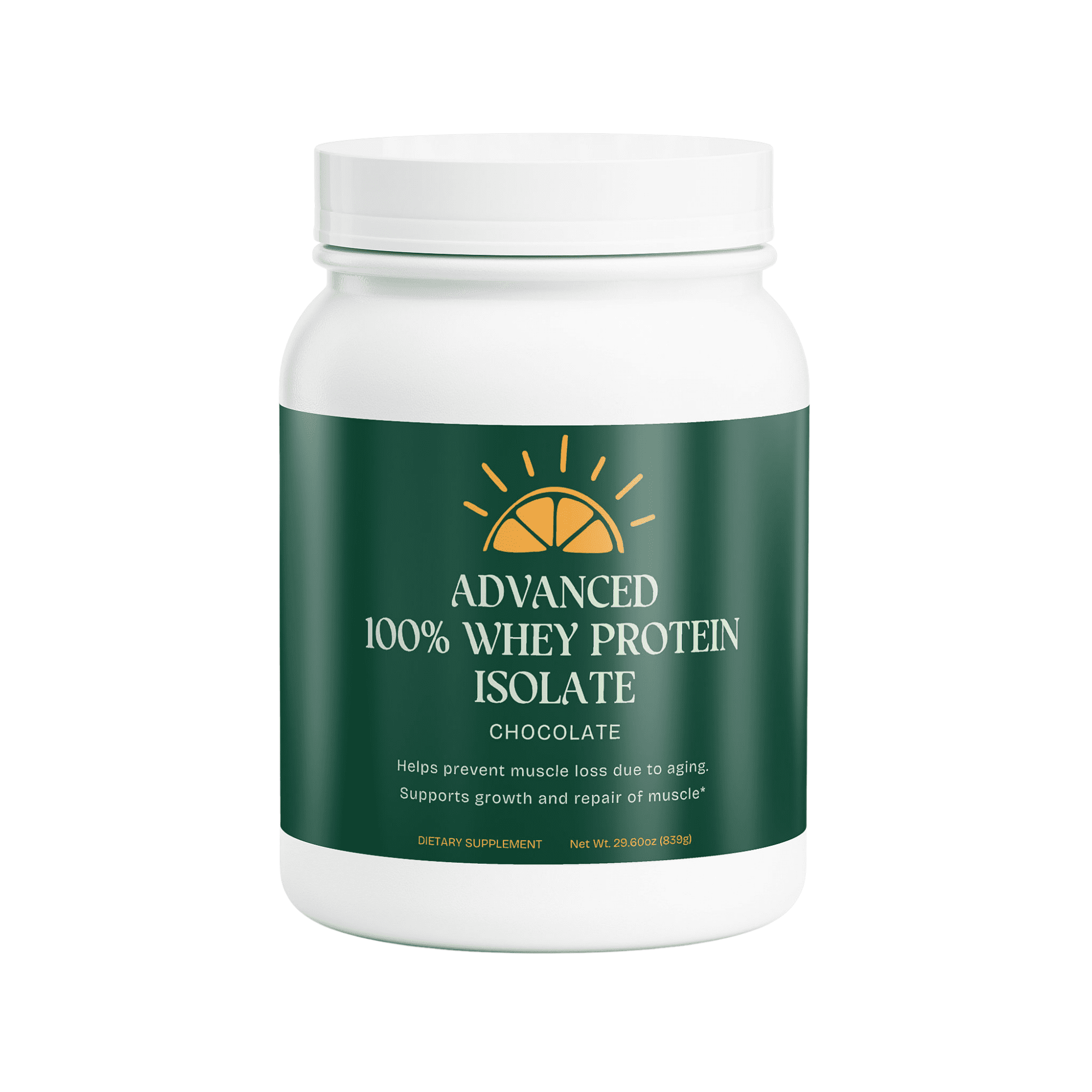
Advanced 100% Whey Protein Isolate, Chocolate, 1.85 lbs (840g)
$67.95 — or subscribe to save 5% -
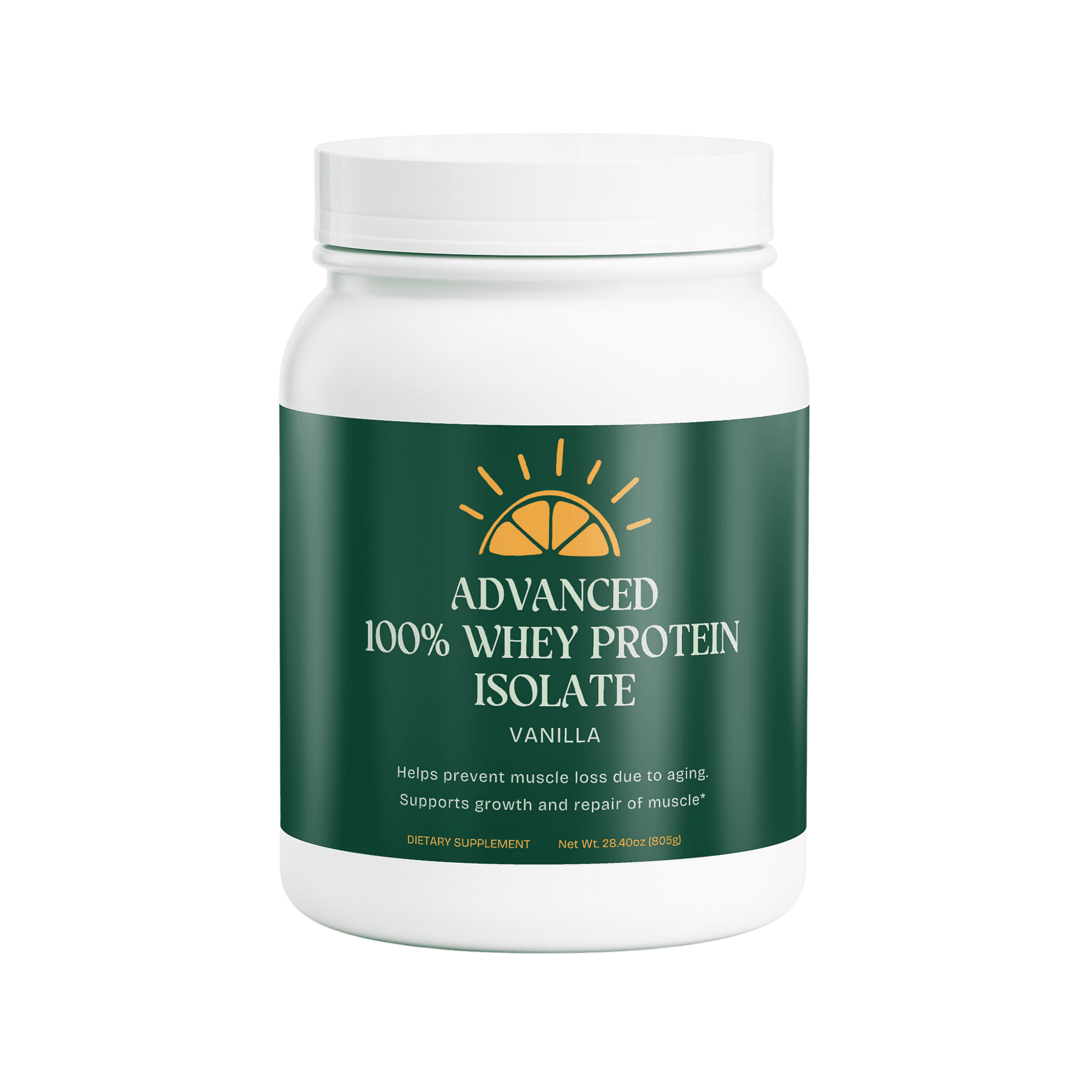
Advanced 100% Whey Protein Isolate, Vanilla, 1.78 lbs (805g)
$67.95 — or subscribe to save 5% -

Hydrolyzed Collagen Peptides (Types I & III)
$35.90 — or subscribe to save 5% -
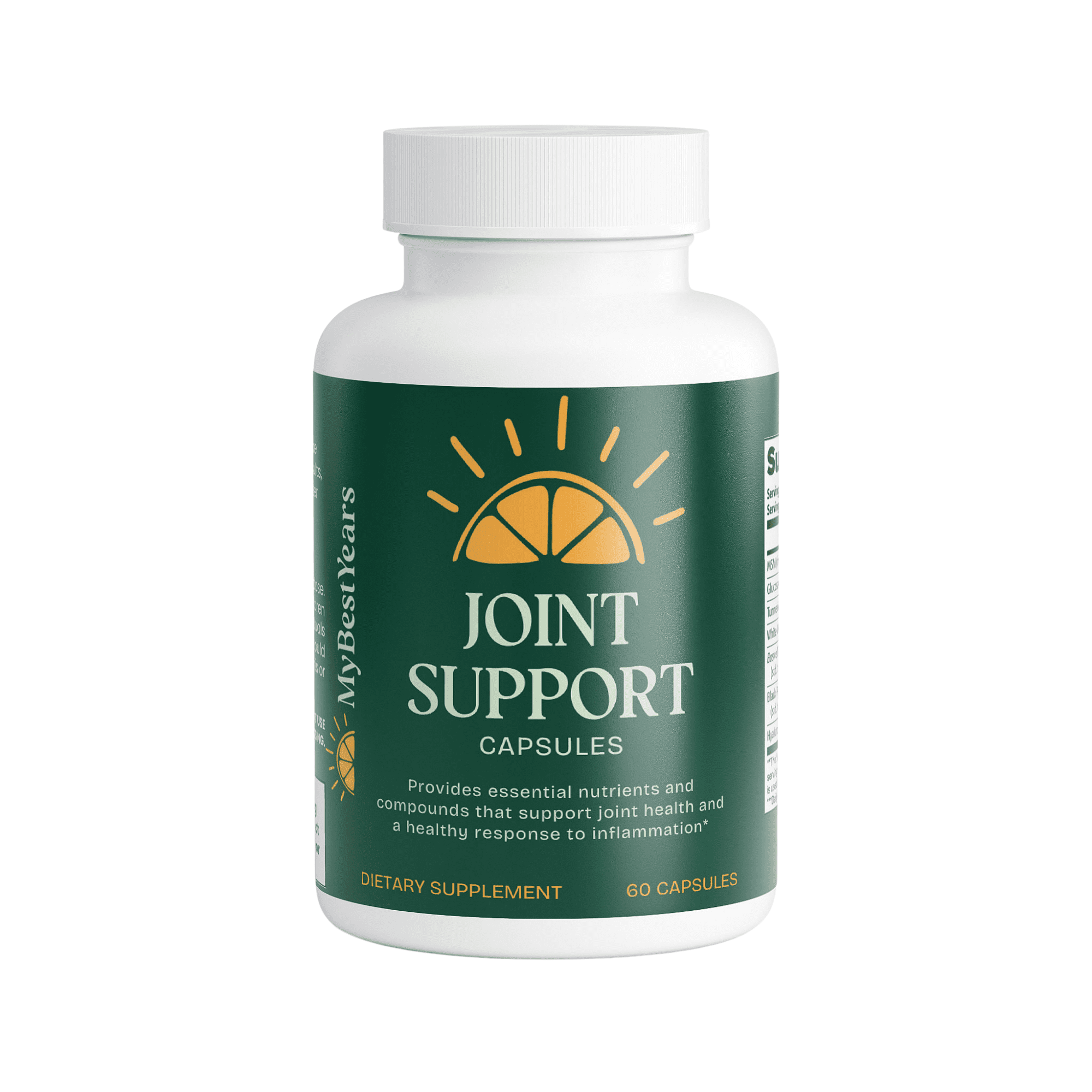
Joint Support
$29.90 -

My Joint Health Bundle
Original price was: $90.70.$77.10Current price is: $77.10. — or subscribe to save 5% -
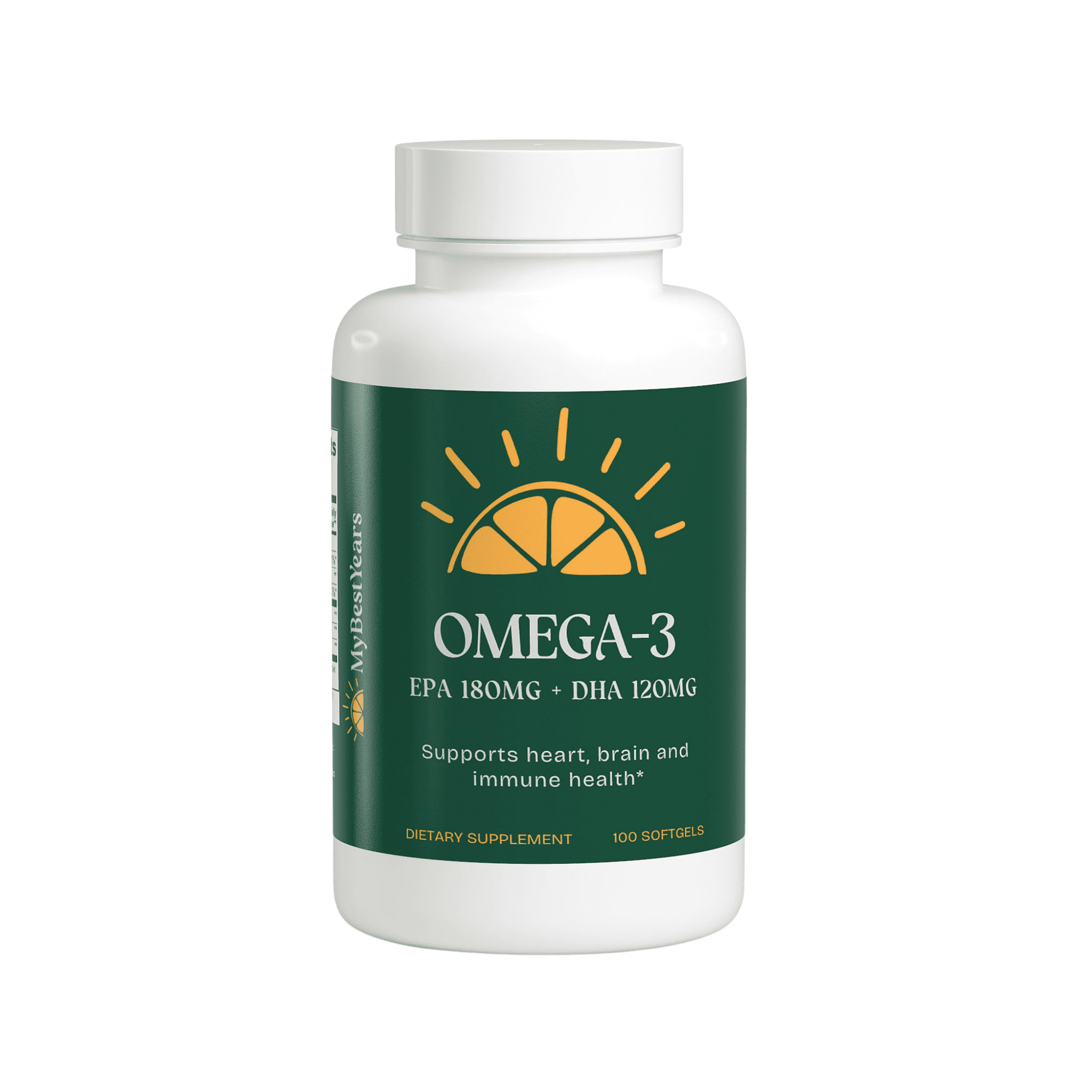
Omega-3
$24.90 — or subscribe to save 5% -
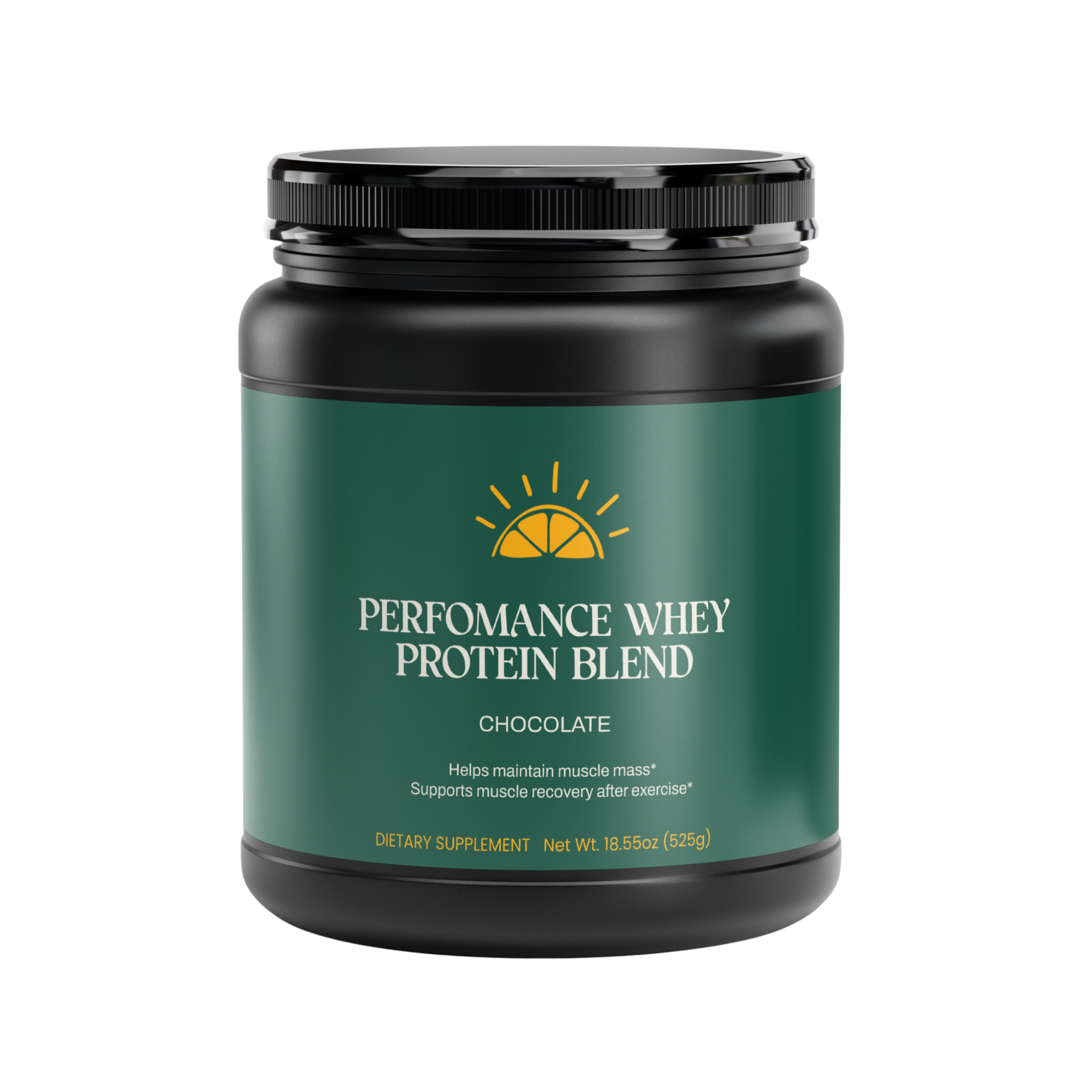
Performance Whey Protein Blend, Chocolate, 1.16lb (525 g)
$42.99 — or subscribe to save 5% -
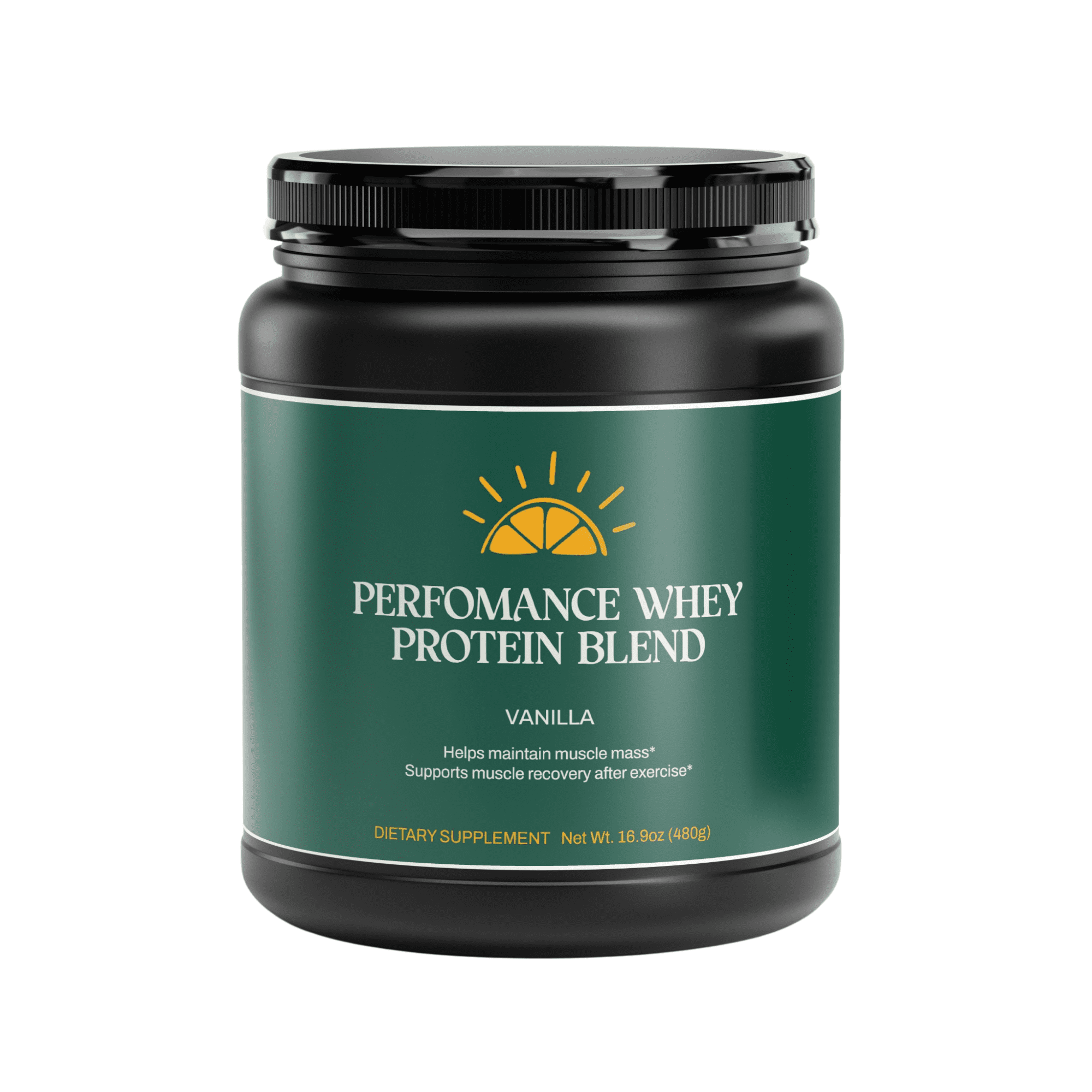
Performance Whey Protein Blend, Vanilla, 1.29 lb (585g)
$42.99 — or subscribe to save 5% -
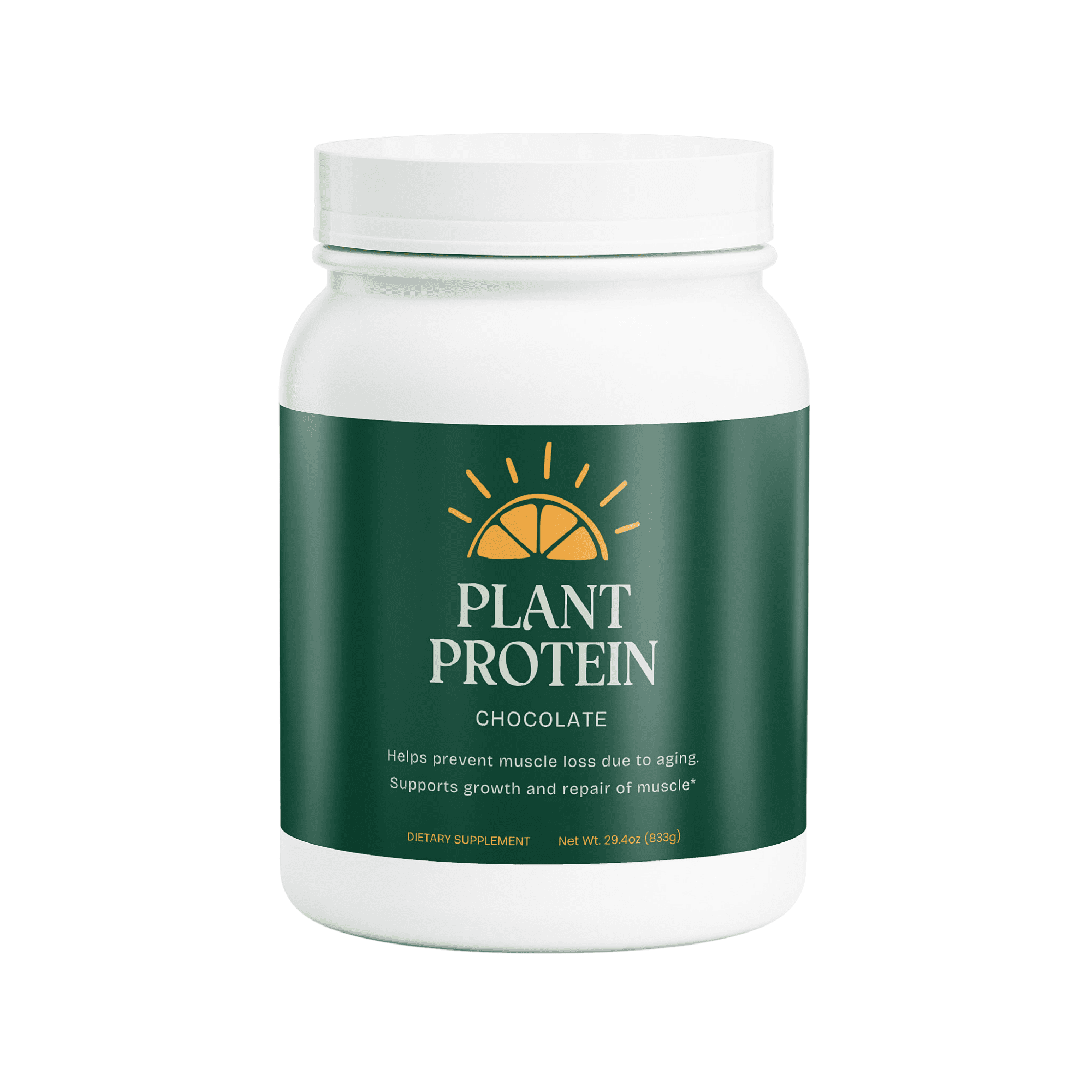
Plant Protein, Chocolate, 1.8 lbs (833g)
$59.99 — or subscribe to save 5%