As we age, our bodies go through many changes. One of the most important things to keep an eye on as you enter your 50s is your cholesterol levels. But what is cholesterol, and why does it matter to your health?
Let’s break it down.
What is Cholesterol?
Cholesterol is a waxy, fat-like substance that is found in every cell of your body. It’s necessary for your body to function properly because it helps produce important hormones, vitamin D, and bile acids that help digest fat. But too much cholesterol in your blood can be harmful.
Your body gets cholesterol from two sources:
- Dietary cholesterol (found in animal products like eggs, meat, and dairy)
- Liver production (your liver makes most of the cholesterol your body needs)
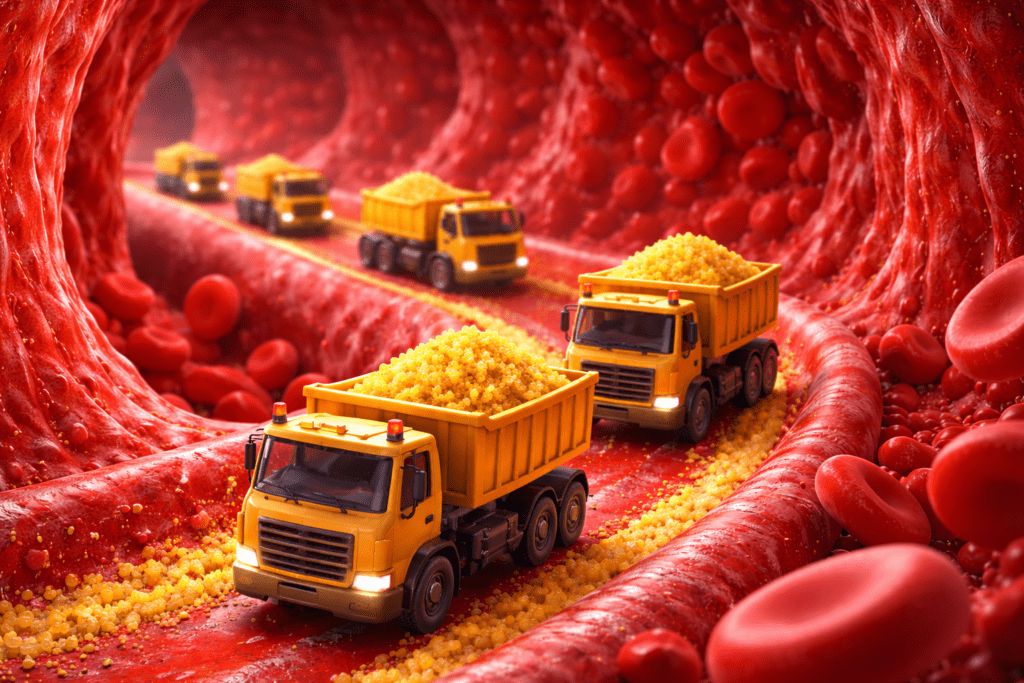
Think of cholesterol like a delivery truck that carries fat to various parts of the body. But just like any delivery truck, if there are too many of them, they could clog up the roads (or in this case, your arteries).
Why It Matters
As we age, cholesterol becomes even more important to manage. High cholesterol often doesn’t show any symptoms, but over time it can build up in the walls of your arteries, making them narrow and hard. This can lead to a condition called atherosclerosis, which increases the risk of heart disease, stroke, and even peripheral artery disease.
By managing cholesterol properly, you can help keep your heart healthy and your blood vessels clear, reducing the risks associated with high cholesterol levels.
Different Types of Cholesterol
There are two main types of cholesterol to be aware of:
- Low-Density Lipoprotein (LDL) – “Bad” Cholesterol
LDL is often referred to as “bad” cholesterol because it can build up on the walls of your arteries, creating plaque that can clog them and restrict blood flow. This is the cholesterol you want to keep as low as possible. - High-Density Lipoprotein (HDL) – “Good” Cholesterol
HDL is known as “good” cholesterol because it helps remove LDL from the arteries by carrying it back to the liver, where it can be processed and removed from the body. High levels of HDL cholesterol can reduce the risk of heart disease. - Triglycerides
Triglycerides are another type of fat found in the blood. They are a bit different from cholesterol, but they can also contribute to the risk of heart disease if they are elevated. A diet high in sugars and fats can lead to high triglyceride levels.
Benefits of Getting This Right
When your cholesterol levels are in the right balance, you lower your risk of heart disease, stroke, and other cardiovascular issues. Healthy cholesterol helps maintain proper blood circulation, reduces strain on your heart, and supports overall vitality.
Here’s how managing your cholesterol levels can benefit you:
- Improved Heart Health: By lowering LDL levels and raising HDL levels, you reduce the risk of developing heart disease.
- Reduced Risk of Stroke: A healthy balance of cholesterol helps keep your arteries clear, lowering the chances of blockages that can lead to a stroke.
- Better Blood Flow: Healthy cholesterol helps ensure that your blood circulates freely throughout your body, which is especially important as you age.
What Normal Cholesterol Looks Like
Cholesterol levels are measured through a blood test, and here’s what the numbers should ideally look like:
- Total Cholesterol: Less than 200 mg/dL is considered healthy.
- LDL Cholesterol: Less than 100 mg/dL is optimal. Anything above 160 mg/dL is considered high.
- HDL Cholesterol: For women, a level of 50 mg/dL or higher is ideal; for men, aim for 40 mg/dL or higher.
- Triglycerides: Less than 150 mg/dL is normal.
Your healthcare provider will typically check these levels during routine check-ups to ensure your cholesterol is in a healthy range. If your levels are outside of these ranges, they may recommend lifestyle changes or medication to help you get them under control.
Risk Factors for High Cholesterol
Several factors can affect your cholesterol levels, and some of them are more common as we age. Here are some risk factors to keep in mind:
- Diet: A diet high in saturated fats, trans fats, and cholesterol can raise LDL cholesterol.
- Lack of Exercise: Physical activity helps raise HDL cholesterol and lower LDL and triglyceride levels.
- Age: As you get older, your cholesterol levels tend to rise, especially for women after menopause.
- Genetics: Some people inherit high cholesterol from their parents, a condition called familial hypercholesterolemia.
- Weight: Being overweight or obese can raise cholesterol levels and increase triglyceride levels.
- Smoking: Smoking lowers HDL cholesterol and damages the walls of your blood vessels, making it easier for plaque to build up.
- Medical Conditions: Conditions like diabetes, high blood pressure, and hypothyroidism can contribute to high cholesterol.
How to Improve Cholesterol Levels
Fortunately, you can make several lifestyle changes to help manage your cholesterol levels. Here are some tips:
- Eat a Heart-Healthy Diet
- Increase fiber: Foods like oats, barley, fruits, vegetables, and legumes can help lower cholesterol levels.
- Choose healthy fats: Swap saturated fats (found in red meat and full-fat dairy) for healthier fats like those found in olive oil, avocado, and nuts.
- Include omega-3s: Fatty fish like salmon, mackerel, and sardines are great sources of omega-3 fatty acids, which can help lower LDL cholesterol.
- Cut back on sugar: Reducing refined sugars and processed foods can lower triglyceride levels and improve your overall cholesterol balance.
- Exercise Regularly
Physical activity can raise HDL cholesterol and lower both LDL cholesterol and triglycerides. Aim for at least 30 minutes of moderate exercise most days of the week. Walking, swimming, cycling, and even gardening can make a big difference. - Quit Smoking
If you smoke, quitting can improve your HDL cholesterol and reduce the damage to your blood vessels. - Maintain a Healthy Weight
Losing excess weight can help lower LDL cholesterol and triglycerides while raising HDL cholesterol. Even a modest weight loss of 5-10% of your body weight can have a positive effect. - Consider Herbal Supplements
Certain natural remedies may help support healthy cholesterol levels:- Plant sterols and stanols: These substances, found in some fortified foods and supplements, can help block cholesterol absorption.
- Psyllium husk: This fiber supplement may help lower LDL cholesterol.
- Garlic: Some studies suggest that garlic can lower cholesterol, particularly LDL cholesterol.
- Medications
In some cases, lifestyle changes alone aren’t enough to bring cholesterol levels into the healthy range. Statins are the most commonly prescribed medication to lower LDL cholesterol. Other medications, such as bile acid sequestrants or cholesterol absorption inhibitors, may also be prescribed based on individual needs.
Where to Go for More Help
If you’re concerned about your cholesterol levels, it’s always best to speak with your doctor. They can help assess your risk based on your cholesterol test results, family history, and overall health. Your doctor can also provide recommendations for medications if needed and help you create a plan to manage your cholesterol effectively.
For more information, organizations like the American Heart Association and National Institutes of Health offer valuable resources on managing cholesterol.
Final Thoughts
Cholesterol is a key player in maintaining good health as we age, but it’s something we can manage with the right lifestyle changes. By eating a heart-healthy diet, staying active, and being mindful of other risk factors, you can keep your cholesterol levels in check and reduce your risk of heart disease and stroke. Remember, it’s never too late to start making healthier choices — your heart will thank you for it!