
As we age, our bodies change, and so do our nutritional needs. One essential part of a healthy diet that often gets overlooked is dietary fiber. If you’re over 50, it’s even more important to pay attention to fiber intake because of the numerous health benefits it offers. Let’s dive into why fiber should be your new best friend!
What is Dietary Fiber?
Dietary fiber is the part of plant-based foods that our bodies can’t digest. Unlike other food components, like fats, proteins, and carbohydrates, fiber passes through the digestive system mostly intact. It comes in two forms: soluble and insoluble.
- Soluble fiber dissolves in water and forms a gel-like substance in the stomach. It can help lower blood cholesterol and regulate blood sugar levels.
- Insoluble fiber doesn’t dissolve in water. It helps food and waste pass more quickly through the digestive system, promoting regularity and preventing constipation.
These fibers come from fruits, vegetables, whole grains, nuts, and seeds, and they play a crucial role in your health, especially as you age.
Why Does Fiber Matter for People Over 50?
As we age, the risk of several health conditions increases, and one of the most common is digestive problems. Constipation, in particular, becomes more common after 50. Dietary fiber is key in managing and preventing constipation, promoting better digestion, and even reducing the risk of colorectal cancer.
But the benefits don’t stop there. Fiber also helps manage blood sugar levels, lowers the risk of heart disease, and can help with weight management. With many of us focused on maintaining a healthy weight and managing chronic conditions, fiber is a must-have in our daily meals.
Different Types of Fiber and Where to Find Them
There are two types of fiber, each with its own set of health benefits:
- Soluble Fiber: You’ll find this type in foods like oats, beans, lentils, apples, carrots, and flaxseeds. Soluble fiber can help lower bad cholesterol levels and improve heart health. It also aids in controlling blood sugar levels, which is important for those over 50 who may be at risk for diabetes.
- Insoluble Fiber: This fiber is found in foods such as whole grains (like brown rice, quinoa, and whole wheat), nuts, seeds, and the skins of fruits and vegetables. It helps regulate bowel movements and can prevent constipation. It also plays a role in gut health, which is crucial for overall well-being as we age.
Benefits of Getting Fiber Intake Right
Now, let’s talk about the major benefits of fiber for people over 50. Fiber isn’t just a “nice-to-have” part of your diet; it’s essential for maintaining health and vitality. Here’s why:
- Digestive Health: As you get older, your digestive system can slow down, leading to constipation and other gut issues. Fiber helps keep things moving, reducing the risk of bloating, discomfort, and constipation. It’s your digestive system’s best friend!
- Heart Health: Soluble fiber, in particular, is known to lower cholesterol levels by binding to cholesterol particles and helping eliminate them from the body. This can reduce your risk of heart disease—a major concern as we age.
- Weight Management: Fiber-rich foods keep you feeling full longer. So, if you’re aiming to maintain a healthy weight, fiber helps reduce overeating. It can also help regulate your appetite, making it easier to stick to a balanced diet.
- Blood Sugar Control: For those with or at risk of diabetes, fiber helps regulate blood sugar levels by slowing down the absorption of sugar into the bloodstream. This can help prevent spikes and crashes that are common after meals.
- Cancer Prevention: A diet high in fiber is linked to a lower risk of colorectal cancer. Fiber helps to keep your digestive tract clean by removing waste more efficiently.
How Much Fiber Do I Need?
For adults aged 50 and over, the recommended daily fiber intake varies based on gender:
For men (50+ years old): 30 grams of fiber per day.
For women (50+ years old): 21 grams of fiber per day.
In terms of the overall health benefits, a fiber-rich diet can help you maintain a healthy weight, feel energized, and manage your blood pressure and cholesterol levels.
For people over 50, normal digestion should include regular, pain-free bowel movements. You should aim for at least one bowel movement a day, and it should be easy to pass. If you’re not going regularly or experiencing discomfort, it might be a sign that you’re not getting enough fiber.
Risk Factors of Inadequate Fiber Intake
Not getting enough fiber can lead to several health problems, particularly for those over 50. Here are some risk factors to be aware of:
- Constipation: A lack of fiber can slow down digestion and lead to chronic constipation. This not only causes discomfort but can also increase the risk of hemorrhoids and other bowel issues.
- Heart Disease: Fiber helps lower cholesterol levels, so not getting enough can increase the risk of heart disease, which becomes a greater concern as we age.
- Diabetes: A low-fiber diet can make it harder to control blood sugar levels, increasing the risk of developing type 2 diabetes. For those already diagnosed, inadequate fiber intake can make managing the condition more difficult.
- Weight Gain: Without sufficient fiber, you may feel hungrier more often, leading to overeating and difficulty managing your weight. It can also result in higher levels of unhealthy fats and sugars in the diet, contributing to weight gain.
How to Improve Your Fiber Intake
Now that you know how important fiber is, how can you increase your intake? Here are some practical tips:
- Eat More Fruits and Vegetables: Aim to fill half your plate with fruits and veggies. Fresh, frozen, or canned (without added sugars or salt) are all great options. Try incorporating more fiber-rich fruits like berries, apples, pears, and oranges into your daily meals.
- Switch to Whole Grains: Replace refined grains like white rice, bread, and pasta with whole grains like brown rice, quinoa, whole wheat bread, and oats. These grains are packed with fiber and other important nutrients.
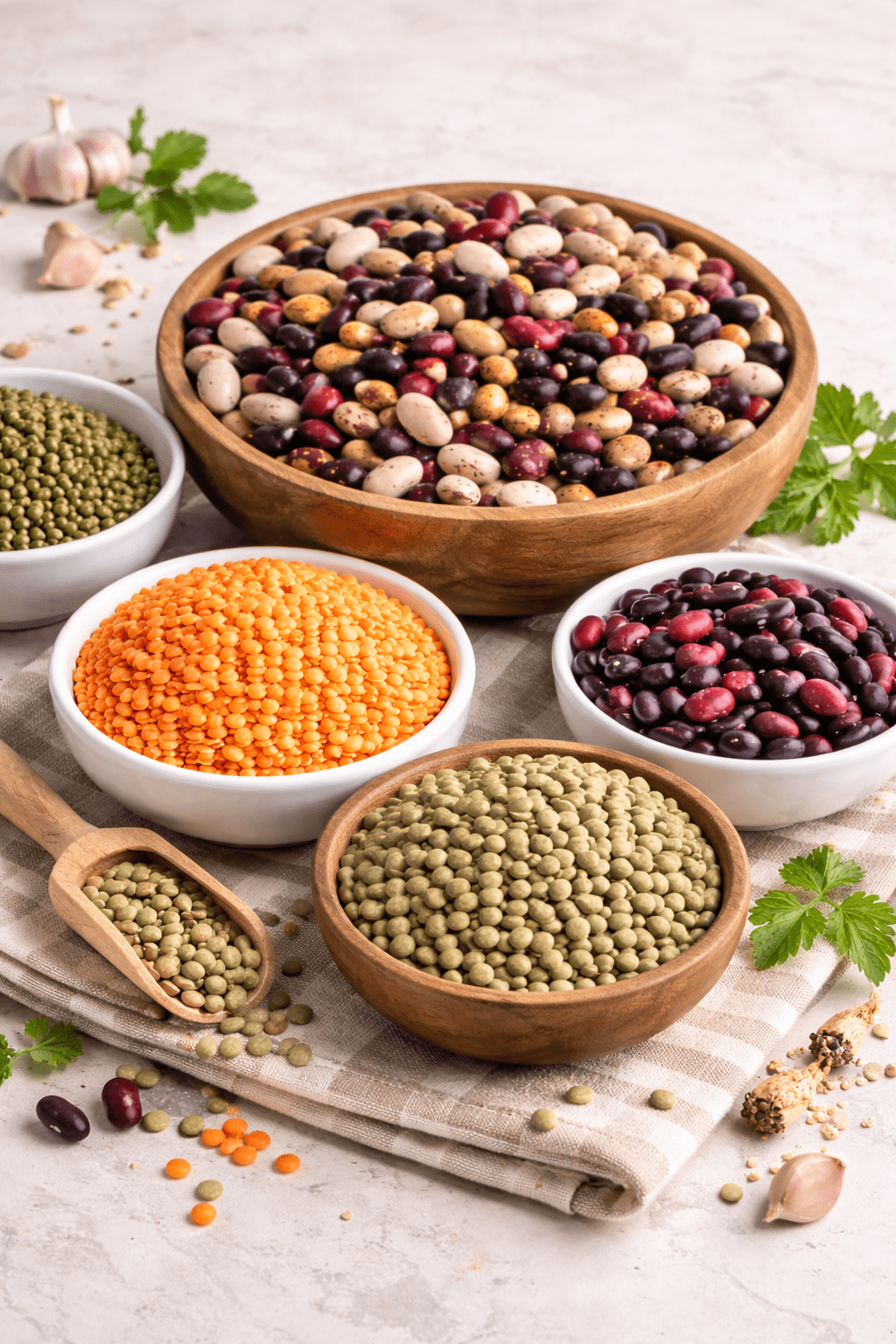
- Add Beans and Legumes: Beans, lentils, and peas are excellent sources of fiber. Try adding them to soups, salads, or stews for a hearty and nutritious meal.
- Snack on Nuts and Seeds: Almonds, chia seeds, flaxseeds, and sunflower seeds are great sources of fiber and can be added to smoothies, salads, or eaten as a snack.
- Supplement Your Diet: If you’re struggling to get enough fiber through food alone, consider adding a fiber supplement to your routine. Options like psyllium husk, flaxseed, or acacia fiber can be easily mixed into smoothies or drinks.
- Stay Hydrated: Fiber works best when you drink plenty of water. Fiber needs fluid to move smoothly through your digestive system, so make sure you’re drinking enough throughout the day.
To help you put into context what it takes to meet your daily fibre intake here’s a list of common foods and their fibre content:
- Fruits
- Apple (medium, with skin) – 4.4 grams
- Banana (medium) – 3.1 grams
- Pear (medium, with skin) – 5.5 grams
- Orange (medium) – 3.1 grams
- Strawberries (1 cup) – 3.0 grams
- Raspberries (1 cup) – 8.0 grams
- Blueberries (1 cup) – 3.6 grams
- Avocado (1 medium) – 10 gram
- Vegetables
- Broccoli (1 cup, cooked) – 5.1 grams
- Carrots (1 large) – 2.0 grams
- Spinach (1 cup, cooked) – 6.7 grams
- Sweet Potato (1 medium, with skin) – 4.0 grams
- Brussels Sprouts (1 cup, cooked) – 4.1 grams
- Kale (1 cup, cooked) – 2.6 grams
- Legumes
- Lentils (1 cup, cooked) – 15.6 grams
- Chickpeas (1 cup, cooked) – 12.5 grams
- Black Beans (1 cup, cooked) – 15 grams
- Kidney Beans (1 cup, cooked) – 13.1 grams
- Split Peas (1 cup, cooked) – 16.3 grams
- Whole Grains
- Oats (1 cup, cooked) – 4.0 grams
- Brown Rice (1 cup, cooked) – 3.5 grams
- Whole Wheat Bread (1 slice) – 2.0 grams
- Quinoa (1 cup, cooked) – 5.2 grams
- Barley (1 cup, cooked) – 6.0 grams
- Whole Wheat Pasta (1 cup, cooked) – 6.3 grams
- Nuts and Seeds
- Chia Seeds (2 tablespoons) – 10.6 grams
- Almonds (1 ounce, about 23 nuts) – 3.5 grams
- Flaxseeds (2 tablespoons) – 5.6 grams
- Sunflower Seeds (1 ounce) – 2.4 grams
- Pistachios (1 ounce, about 49 nuts) – 2.9 grams
- Other Foods
- Popcorn (3 cups, air-popped) – 3.5 grams
- Potato (1 medium, with skin) – 3.8 grams
- Cucumber (1 medium, with skin) – 1.0 gram
- Tomato (1 medium) – 1.5 grams
- Whole Wheat Cereal (1 cup) – 7.0 grams
These amounts are approximate and may vary slightly depending on the exact type and preparation of the food.
Where to Go for More Help
If you’re unsure how to increase your fiber intake or have specific dietary needs, it’s always a good idea to speak with a registered dietitian or nutritionist. They can provide personalized guidance based on your health goals and any existing medical conditions.
In addition, here are a few resources to explore:
- American Heart Association: Offers great information on heart-healthy fiber.
- Academy of Nutrition and Dietetics: Provides tips and recipes for adding more fiber to your diet.
- National Institute on Aging: Offers advice on maintaining a balanced diet as you age, including fiber recommendations.
Final Thoughts
Dietary fiber is a simple yet powerful tool for supporting your health as you age. Whether you’re trying to maintain digestive health, manage your weight, or protect your heart, fiber has got you covered. By incorporating more fiber-rich foods into your diet and staying hydrated, you can reap the benefits of better digestion, heart health, and overall vitality.
So, if you’re over 50, don’t overlook the importance of fiber. Start small by adding a few more servings of fruits, vegetables, and whole grains to your meals. Over time, you’ll start to feel the difference—and your body will thank you for it.