
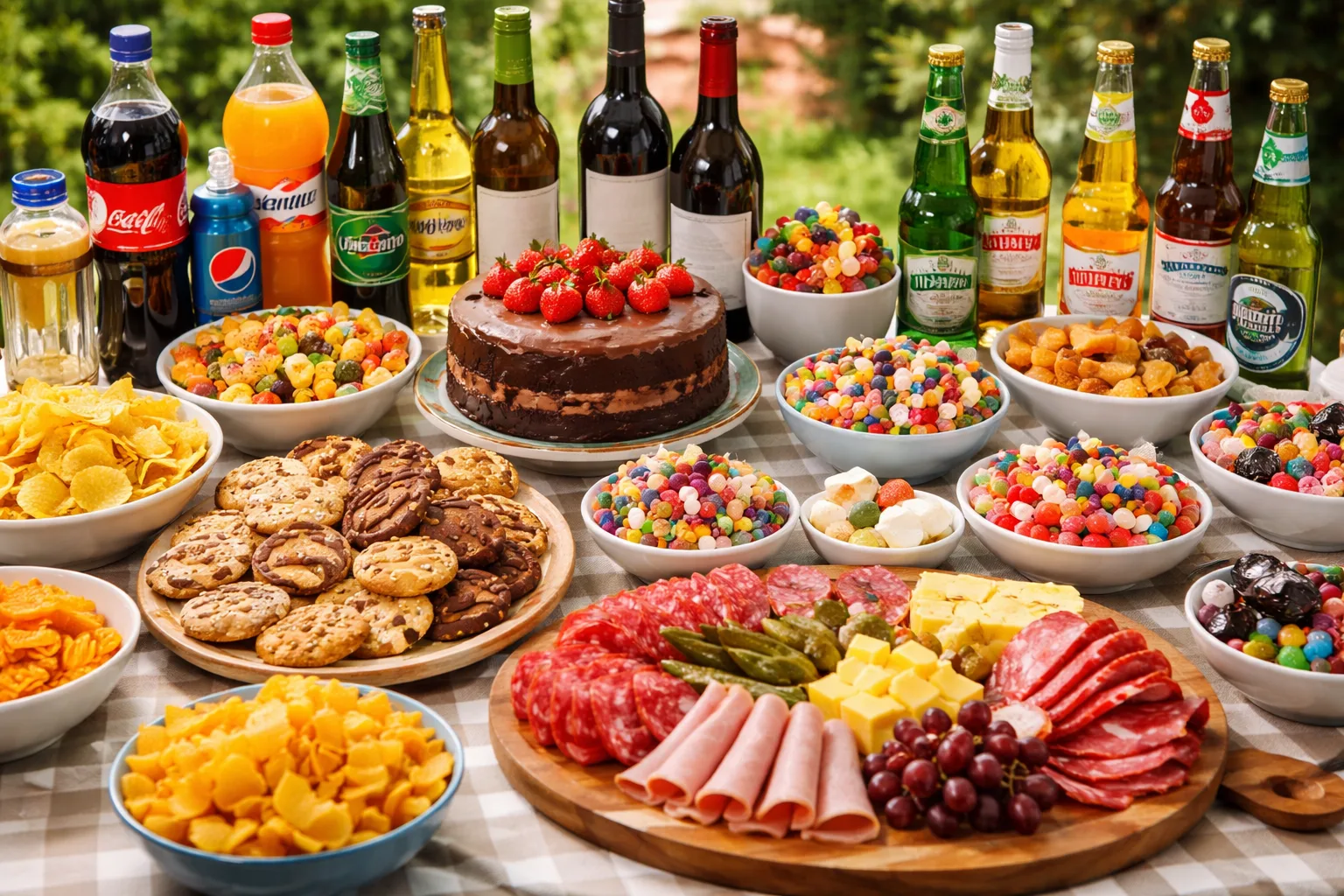
As we age, maintaining good health and increasing longevity becomes a priority for many. One of the most important ways to ensure we age gracefully and feel our best is by focusing on what we eat. Our diets directly impact everything from energy levels to the risk of chronic diseases. This article will guide you through which foods to avoid, categorizing them into two main sections — “Avoid if Possible” and “Occasional Foods” — to help you make better choices for your health as you age.
Avoid if Possible
These foods should be limited as much as possible or eliminated from your diet altogether. They offer little nutritional value and can contribute to chronic health issues such as heart disease, high blood pressure, diabetes, and digestive problems.
1. Sugary Foods and Drinks
Sugary treats like candy, cakes, and sodas are high in empty calories and have little to no nutritional benefit. They can cause blood sugar spikes and have been linked to increased risks of type 2 diabetes, obesity, and cardiovascular disease.
- Why Avoid? As we age, our bodies become less efficient at processing sugar, making us more susceptible to insulin resistance and metabolic issues.
2. Processed Meats
Bacon, sausages, hot dogs, and deli meats are all examples of processed meats that are loaded with preservatives, sodium, and unhealthy fats. Regular consumption of processed meats has been linked to a higher risk of cancer, heart disease, and high blood pressure.
- Why Avoid? The sodium and fat content in processed meats can contribute to hypertension and increase your risk of heart disease, which becomes even more critical after 50.
3. Refined Grains
White bread, white rice, and many pasta varieties are made from refined grains that have been stripped of essential nutrients. They can cause rapid spikes in blood sugar, leading to an increased risk of type 2 diabetes and weight gain.
- Why Avoid? As we age, maintaining stable blood sugar levels is important for preventing chronic conditions like diabetes and metabolic syndrome.
4. Trans Fats
Trans fats are artificially created fats found in many processed snacks, baked goods, and fast foods. They are harmful to your cholesterol levels and can increase the risk of heart disease.
- Why Avoid? Trans fats can increase your “bad” LDL cholesterol while decreasing your “good” HDL cholesterol, which can raise the risk of heart disease, a leading cause of death in older adults.
5. Excessive Alcohol
While moderate alcohol consumption may have some health benefits, excessive drinking can increase your risk of liver disease, high blood pressure, and even certain cancers. As you age, your ability to metabolize alcohol declines, making it more harmful.
- Why Avoid? Alcohol can also interfere with medications that many older adults take, and it can disrupt sleep, contributing to fatigue and poor mental health.
6. Artificial Sweeteners
Artificial sweeteners like aspartame, sucralose, and saccharin are often found in “sugar-free” snacks and drinks. Though they contain little or no calories, they may have negative long-term effects on metabolism and gut health.
- Why Avoid? Some studies suggest that artificial sweeteners may negatively impact insulin sensitivity and gut microbiota, which are both important for overall health, especially in older adults.
7. Pre-packaged Snacks
Snack foods like chips, crackers, and store-bought pastries often contain high levels of refined sugars, unhealthy fats, and preservatives. While convenient, they lack the nutrients that your body needs to stay healthy.
- Why Avoid? These snacks can contribute to weight gain, increased cholesterol, and higher risk of heart disease, which is a significant concern for those over 50.
Occasional Foods (and What “Occasional” Means)
Some foods can be enjoyed from time to time but shouldn’t be consumed regularly. “Occasional” refers to foods that you can eat in moderation—maybe once a week or during special occasions. These are typically foods that are higher in fat, sugar, or sodium but not necessarily harmful in small quantities.
1. Fried Foods
Fried foods such as fried chicken, French fries, and onion rings are crispy and delicious, but they are also high in unhealthy fats and calories. While they’re not inherently bad, eating them too often can contribute to weight gain and increase your risk of heart disease and high cholesterol.
- Why “Occasional”? If you enjoy fried foods, try to save them for an occasional treat and balance them with healthier options like grilled or baked alternatives.
2. Ice Cream and Sugary Desserts
Ice cream and other sugary desserts are a favorite indulgence for many. However, they are often packed with sugar, unhealthy fats, and refined carbohydrates.
- Why “Occasional”? A small serving of ice cream on a hot day can be a nice treat, but it should be enjoyed in moderation. Opt for healthier alternatives like frozen yogurt or fruit sorbet if you’re craving something sweet more often.
3. White Potatoes
While potatoes are a good source of vitamins and minerals, when they’re deep-fried or loaded with butter and cream, they can become unhealthy. White potatoes, especially in processed forms like chips or fries, are high in carbohydrates and can cause blood sugar spikes.
- Why “Occasional”? If you enjoy mashed potatoes or fries, try to limit them to once in a while. Instead, choose healthier potato options like sweet potatoes, which are rich in fiber and have a lower glycemic index.
4. High-Sodium Canned Soups
Canned soups are convenient, but many brands add excessive amounts of sodium to enhance flavor and preserve shelf life. High sodium intake can contribute to high blood pressure and increase the risk of heart disease.
- Why “Occasional”? On busy days, canned soups can be a lifesaver, but aim for low-sodium versions or homemade soups whenever possible. If you do indulge, make sure it’s an occasional choice.
5. Snack Foods (Chips, Pretzels, etc.)
While a handful of chips or pretzels every now and then is not going to harm you, regularly indulging in these types of snacks can lead to unhealthy weight gain due to their high-calorie, low-nutrient content.
- Why “Occasional”? Save these snacks for when you’re craving something crunchy. When you need a snack more frequently, opt for healthier alternatives like nuts, seeds, or air-popped popcorn.
6. Sweetened Breakfast Cereals
Many breakfast cereals are high in sugar and low in fiber, which can lead to blood sugar spikes and cravings later in the day. While they may provide a quick breakfast, they don’t offer much nutritional value.
- Why “Occasional”? You can occasionally enjoy a sweetened cereal as part of a balanced breakfast. For more regular meals, opt for whole grain cereals with less added sugar and more fiber.
7. Processed Cheese
Processed cheese products like slices and spreads are often loaded with sodium and unhealthy fats. While they provide calcium, they lack the other beneficial nutrients found in whole, unprocessed cheeses.
- Why “Occasional”? Enjoy processed cheese sparingly, and choose healthier cheese options like cottage cheese, mozzarella, or feta, which are lower in sodium and more nutrient-dense.
Final Thoughts
As we age, our bodies become more sensitive to the foods we eat, and the effects of unhealthy choices can become more pronounced. While it’s not about complete deprivation, making better decisions about the foods you eat can greatly impact your overall health and longevity.
Remember: Avoiding certain foods most of the time, while allowing for occasional indulgence, is key. By focusing on nutrient-rich foods and limiting the ones that could harm your health over time, you’ll be taking a significant step toward feeling better and living longer. Here’s to aging well!