
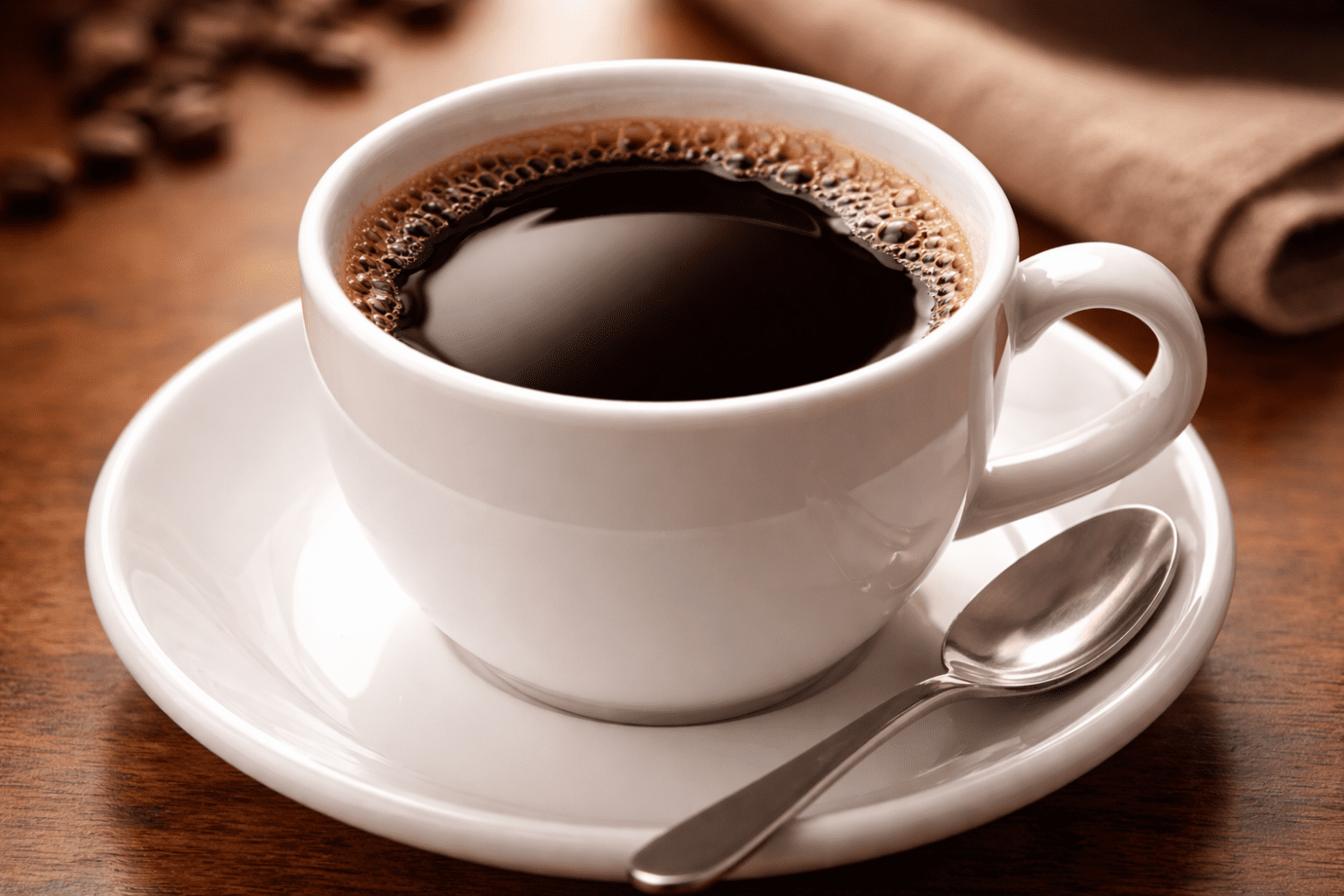
If you’re over 50, there’s a good chance you love your morning coffee. It’s comforting, social, and for many of us it’s a daily ritual that helps kickstart the day. But you might have wondered, “Is this beloved beverage actually good for me — or just something I think feels good?”
Let’s break it down in plain language, look at what the research says, and help you make coffee work for your health — not against it.
What Is Coffee, Really?
At its simplest, coffee is a brewed drink made from roasted coffee beans — the seeds of Coffea plants. But it’s also a complex cocktail of caffeine and many other bioactive compounds: antioxidants like polyphenols, diterpenes, and other phytochemicals that have measurable effects on the body.
Caffeine is what most of us think about first. It’s a stimulant that affects the central nervous system — helping you feel more alert. But coffee contains hundreds of other compounds that might influence inflammation, metabolism, immunity, and more.
Why Coffee Matters After 50
Once we reach about 50, our bodies don’t function the same as they did at 25 or 35. Things like metabolism, muscle mass, bone health, heart health, brain function, and energy levels can shift. This makes it a great time to ask: can what I drink support these changes — or make things worse?
Here’s a key takeaway from scientific research:
- Moderate coffee consumption has been consistently linked with lower risk of several age‑related diseases.
- Coffee drinkers often show longer healthy life expectancy and lower risk of dying from common causes of death.
That doesn’t mean coffee cures anything — but for people over 50, drinking it the right way may be a meaningful piece of the health puzzle.
Different Types of Coffee (And Why It Matters)
The way your coffee is prepared and what’s added to it can make a big difference nutritionally:
Black Coffee
This is coffee without milk, sugar, syrup, cream, or flavorings. From a health perspective, black coffee has the most potential benefit and the fewest downsides because it’s low in calories and doesn’t contain added sugar.
Coffee With Milk/Cream
Adding dairy or plant milks adds calories and fat. That’s not bad in moderation — but it can dilute some of coffee’s benefits if the added fats are high in saturated fat.
Coffee With Sugar or Syrups
This is the one to watch. Added sugars and syrups can contribute to inflammation, metabolic stress, and extra calories — which counteract many of coffee’s potential benefits.
Decaf Coffee
Decaf removes most caffeine but retains some antioxidants. Some benefits like reduced dementia risk seem tied to caffeine, so decaf may offer fewer effects in that area.
Specialty Drinks (Lattes, Mochas, Franchise Coffee)
Often high in sugar and fats. These can be delicious treats — just don’t rely on them for health benefits.
What Research Says About the Benefits
Let’s talk evidence.
Lower Risk of Death and Chronic Disease
Several large studies show people who drink moderate amounts of coffee (about 2–3 cups per day) tend to live longer and have lower rates of cardiovascular disease, type 2 diabetes, and some cancers. Coffee drinkers also had lower risk of liver disease.
In one prospective study, coffee consumption was linked to increased life expectancy at age 50 — sometimes adding over 2 extra years of life compared to non‑drinkers.
Brain Health and Cognitive Function
A very large long‑term study found that people who consumed two to three cups of caffeinated coffee per day had a significantly lower risk of dementia and better cognitive performance over decades.
This suggests that regular coffee — particularly caffeinated — may be part of supporting brain health as we age. It’s not a magic safeguard, but it’s associated with better outcomes.
Metabolic and Heart Benefits
Coffee drinkers tend to have lower rates of type 2 diabetes and may have healthier metabolic profiles overall. Some evidence also shows moderate coffee consumption is linked to reduced blood pressure and reduced risk of heart failure (though findings are mixed).
Reduced Frailty in Older Adults
Research indicates that people over 50 who regularly drink coffee may have a lower risk of age‑related frailty — weakness, weight loss, and slow walking speed — which are important predictors of falls and disability.
Antioxidant and Anti‑Inflammatory Effects
Coffee is rich in antioxidants that may help reduce oxidative stress — one of the mechanisms underlying aging itself.
What “Normal” Coffee Drinking Looks Like
Rather than extremes, moderation seems key:
- 1–3 cups per day appears to be where many benefits show up in research.
- Benefits often plateau or don’t increase much with higher intake.
- Too much coffee (e.g., >4–5 cups) can lead to side effects like jitteriness, sleep disruption, or digestive discomfort.
Most researchers use cups of about 240 ml (8 oz) — about what a typical home mug holds.
Risk Factors — Who Should Be Careful?
Coffee isn’t perfect for everyone. Here are some important risk considerations, especially for people 50+:
Caffeine Sensitivity
As we age, many of us metabolize caffeine more slowly — meaning the effects last longer and may impact sleep or anxiety.
Heart Rhythm Concerns
High amounts of caffeine can cause palpitations or heart rhythm irregularities in sensitive individuals. It may worsen symptoms in some people with existing arrhythmias.
Sleep Disruption
Late‑day coffee can interfere with sleep — especially important because poor sleep can worsen blood sugar control and brain aging.
Bone Health (Bone Density)
Some research suggests very high coffee consumption might be associated with lower bone density in older women — though this is still being studied.
Added Sugars and Fats
A sugary, creamy coffee drink can contribute to weight gain, inflammation, and metabolic risk — negating many potential health benefits.
Medication Interactions
Caffeine and coffee can interact with certain medications or conditions (e.g., acid reflux, anxiety medications, certain antibiotics). If you’re on multiple meds, check with your clinician.
How to Improve the Benefits (And Reduce Risks)
Here’s how to get the best out of your coffee ritual without overdoing it.
Traditional Approaches
- Drink coffee black or with minimal milk and sugar.
- Praise simplicity: a good filter coffee or espresso.
- Avoid late‑afternoon caffeine to protect sleep.
Herbal/Natural Enhancers
- Pair coffee with antioxidant‑rich foods like berries or dark chocolate.
- Herbal teas like rooibos or green tea can be good caffeine‑lighter options in the afternoon or evening.
Supplements
Supplements aren’t necessary for most people, but some complementary options can support health alongside coffee:
- Magnesium — may help with sleep quality and muscle health.
- B‑vitamins — often related to energy metabolism.
- Probiotics — can support gut health, which is linked to immunity and mood.
Always check with your doctor before starting supplements.
Lifestyle Support
Coffee seems to work best as part of a healthy lifestyle:
- Move your body daily (walking, strength exercises)
- Eat whole, balanced meals
- Get quality sleep
- Manage stress
Coffee isn’t a substitute for these — it supports them.
Where to Go for More Help
Here are good places to learn more or get personalised guidance:
Your GP or primary doctor — especially if you have heart concerns, sleep issues, or medications that may interact with caffeine.
A dietitian or nutritionist — for tailored advice on coffee, diet, and aging.
Trusted health sources like the Mayo Clinic and Harvard T.H. Chan School of Public Health for evidence‑based summaries of coffee research.
Final Thoughts
If you’re over 50 and love your coffee — great news. In moderation, coffee can be more friend than foe. Research links regular coffee consumption with lower risk of dementia, heart disease, type 2 diabetes, frailty, and even longer life. But it’s important to:
Keep it moderate (1–3 cups a day)
Mind what you add (less sugar/cream = better benefit)
Watch your body’s responses (sleep, jitters, digestion)
Coffee isn’t a miracle cure — but for many of us, it can be a healthy part of the day that feels good and supports good aging.
So go ahead — enjoy that cup. Just make it intentional, not automatic.
References & Further Reading (Research Links)
- Mayo Clinic on coffee and health: Coffee and health research – Mayo Clinic explains effects of coffee
- Review of coffee’s anti‑aging effects: Anti‑aging mechanisms and coffee research
- Long‑term coffee and life expectancy study: Coffee consumption and life expectancy research
- Harvard T.H. Chan on antioxidants: Antioxidants and coffee benefits – Harvard Nutrition Source