

As we get older, we tend to focus more on our physical health—keeping up with exercise, eating well, and managing chronic conditions. But there’s another crucial aspect of our well-being that often gets overlooked: our mental health.
Mental health is just as important as physical health, and taking care of it can lead to a better quality of life in our later years.
What is Mental Health?
Mental health refers to our emotional, psychological, and social well-being. It affects how we think, feel, and act. It also influences how we handle stress, relate to others, and make choices. Mental health is not just about avoiding mental illness, but about cultivating positive mental well-being. It means having the ability to cope with life’s challenges, managing stress in a healthy way, and finding joy in life.
As we age, we may face various challenges, from physical limitations to losses such as the death of a spouse, retirement, or changes in living circumstances. All of these can have an impact on our mental health, but the good news is that with the right approach, we can manage and maintain good mental health at any age.
Why Mental Health Matters
Taking care of our mental health as we age is incredibly important for a number of reasons:
- Overall Well-Being: Good mental health is linked to a better quality of life. When we feel emotionally balanced and resilient, it becomes easier to navigate the challenges that come with aging, such as health problems or losing loved ones.
- Physical Health: Mental and physical health are connected. For example, depression can impact physical health by affecting sleep, appetite, and energy levels. Conversely, chronic physical conditions such as arthritis can lead to feelings of depression or anxiety.
- Cognitive Function: Mental health can also affect cognitive function. Depression and anxiety have been linked to a greater risk of cognitive decline and conditions like dementia. Taking care of your mental health can help you stay sharp and maintain cognitive abilities longer.
- Social Connections: Mental health influences how we connect with others. Feeling good about ourselves and having positive emotional states can foster better relationships with family, friends, and community. These connections are key to maintaining happiness and well-being as we grow older.
Different Types of Mental Health Challenges
Just as physical health can have a variety of issues, mental health also comes in different forms. It’s important to recognize the signs and symptoms of each so that we can take appropriate action:
- Depression: It’s more than just feeling sad—it’s a persistent feeling of sadness, emptiness, or hopelessness that can last for weeks or months. Symptoms may include difficulty sleeping, loss of interest in activities, changes in appetite, and feelings of guilt or worthlessness.
- Anxiety: Anxiety can manifest as constant worry, fear, or nervousness, and can interfere with daily activities. It’s normal to feel anxious from time to time, but chronic anxiety can take a toll on mental and physical health.
- Cognitive Decline: While occasional forgetfulness is normal, significant memory loss, confusion, or difficulty concentrating may be signs of cognitive decline. Conditions such as Alzheimer’s disease and other dementias are more common in older adults.
- Loneliness: Loneliness is a major issue for many people over 50. Retirement, loss of a spouse, or health problems can lead to social isolation. Loneliness can contribute to mental health problems like depression and anxiety.
- Stress: Chronic stress can have a severe impact on both mental and physical health. In later years, stress can arise from caregiving responsibilities, financial worries, or health issues.
Benefits of Taking Good Care of Your Mental Health
There are significant benefits to taking good care of your mental health, especially as you age. Here are just a few:
- Better Physical Health: Taking care of your mental health can help reduce stress, which can lower your risk of heart disease, high blood pressure, and other chronic conditions.
- Improved Cognitive Function: Engaging in activities that promote mental health—like staying socially active, challenging your brain, and maintaining a positive outlook—can help keep your mind sharp as you age.
- Stronger Relationships: Good mental health allows you to be more emotionally available and engaged with family, friends, and your community.
- Higher Life Satisfaction: When you take care of your mental health, you’re more likely to feel content and fulfilled, which leads to a higher overall sense of well-being and satisfaction.
- Increased Resilience: Managing your mental health helps you become more resilient to life’s challenges, making it easier to cope with difficult circumstances, whether they’re health-related or emotional.
What Normal Looks Like
Mental health is not about always being happy or never feeling stressed. It’s about balance. Here are some signs of normal, healthy mental health for people over 50:
- Feeling a Range of Emotions: It’s natural to experience a range of emotions—joy, sadness, frustration, contentment—depending on the situation. Healthy mental health means you can experience these emotions without them overwhelming you.
- Managing Stress Effectively: Everyone faces stress. What matters is how we handle it. Healthy mental health allows you to deal with stress in constructive ways, without letting it take over your life.
- Having a Positive Outlook: A healthy mindset includes having a generally positive outlook on life, even when things get tough. It’s about being hopeful for the future and staying engaged with life.
- Being Socially Active: Healthy mental health involves maintaining connections with others. Whether it’s spending time with family or friends, joining clubs, or participating in social activities, staying connected is key.
- Having Interests and Hobbies: Engaging in activities that bring you joy, whether it’s a hobby, exercise, or volunteering, helps maintain good mental health and a sense of purpose.
Risk Factors for Mental Health Issues
Certain factors can increase the likelihood of experiencing mental health challenges as we age:
- Physical Health Issues: Chronic conditions like diabetes, arthritis, or heart disease can contribute to mental health problems, including depression and anxiety.
- Social Isolation: A lack of social interaction or a significant loss (like the death of a spouse) can contribute to feelings of loneliness and depression.
- Financial Stress: Concerns about retirement savings, health care costs, and financial security can increase stress levels and impact mental well-being.
- Loss of Independence: As we age, we may need help with daily activities. Losing the ability to do things independently can affect self-esteem and increase the risk of depression.
- Genetics: A family history of mental health issues such as depression, anxiety, or dementia can increase your risk of experiencing similar challenges.
How to Improve Mental Health: Approaches to Try
There are several ways to improve and maintain your mental health, from traditional methods to natural supplements. Here’s a look at the different approaches you can try:
- Traditional Approaches
- Talk Therapy: Therapy with a mental health professional can help you manage emotions, deal with difficult life events, and develop coping strategies.
- Cognitive Behavioral Therapy (CBT): CBT is a type of therapy that focuses on changing negative thought patterns that contribute to mental health problems like anxiety and depression.
- Medication: In some cases, antidepressants, anti-anxiety medications, or other treatments may be necessary to manage mental health conditions. Always speak with a healthcare provider before starting any medication.
- Herbal and Natural Approaches
- St. John’s Wort: Often used to treat mild to moderate depression.
- Lavender: Known for its calming properties, lavender can help reduce anxiety and improve sleep.
- Chamomile: A calming herb often used to reduce stress and anxiety.
- Ginseng: Some studies suggest that ginseng can help improve mood and reduce stress.
- Supplements
- Omega-3 Fatty Acids: These essential fats are known to support brain health and improve mood.
- Vitamin D: Low levels of vitamin D have been linked to depression, so ensuring adequate intake may help support mental health.
- B Vitamins: B vitamins, particularly B12, are important for brain function and mood regulation.
- Lifestyle Changes
- Exercise: Regular physical activity releases endorphins, which are known as “feel-good” hormones. Exercise can also improve sleep, reduce stress, and boost cognitive function.
- Healthy Diet: A balanced diet rich in fruits, vegetables, lean proteins, and whole grains can improve overall well-being and mental health.
- Sleep: Getting enough quality sleep is essential for good mental health. Practice good sleep hygiene to improve your sleep patterns.
- Mindfulness and Meditation: Practicing mindfulness, yoga, or meditation can help reduce stress and improve emotional well-being.
Where to Go for More Help
If you’re struggling with your mental health, remember that help is available. Here are some resources you can turn to:
- National Institute of Mental Health (NIMH): Offers a wealth of information on mental health conditions and treatments. (Website: www.nimh.nih.gov)
- Mental Health America (MHA): Provides resources for mental health support, advocacy, and educational materials. (Website: www.mhanational.org)
- National Suicide Prevention Lifeline: Available 24/7 for those experiencing thoughts of self-harm or suicide. Call 1-800-273-8255.
- American Psychological Association (APA): Provides resources for finding therapists and mental health professionals in your area. (Website: www.apa.org)
- AARP: Offers a variety of resources and articles on mental health for people over 50. (Website: www.aarp.org)
- Crisis Text Line: Text HOME to 741741 for free, 24/7 support.
Taking care of your mental health is essential to living a fulfilling and active life as you age. It’s never too late to start focusing on your mental well-being, and with the right tools and resources, you can enjoy better emotional health, stronger relationships, and greater resilience as you grow older. Remember, you’re not alone in this journey, and help is available whenever you need it.
Supplements that Support Mental Health
-

5-HTP, 60 Capsules
$19.90 — or subscribe to save 5% -
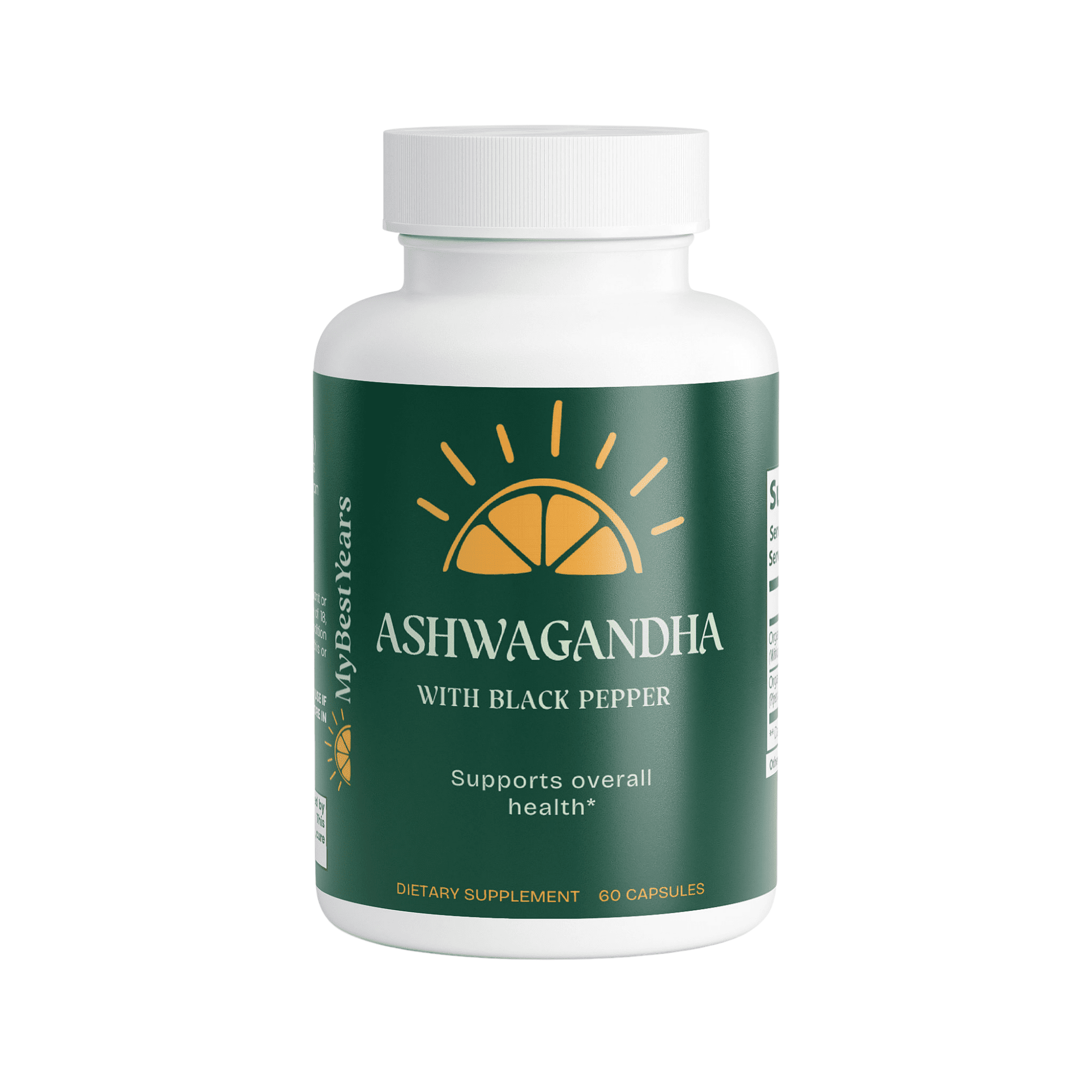
Ashwagandha
$23.90 — or subscribe to save 5% -
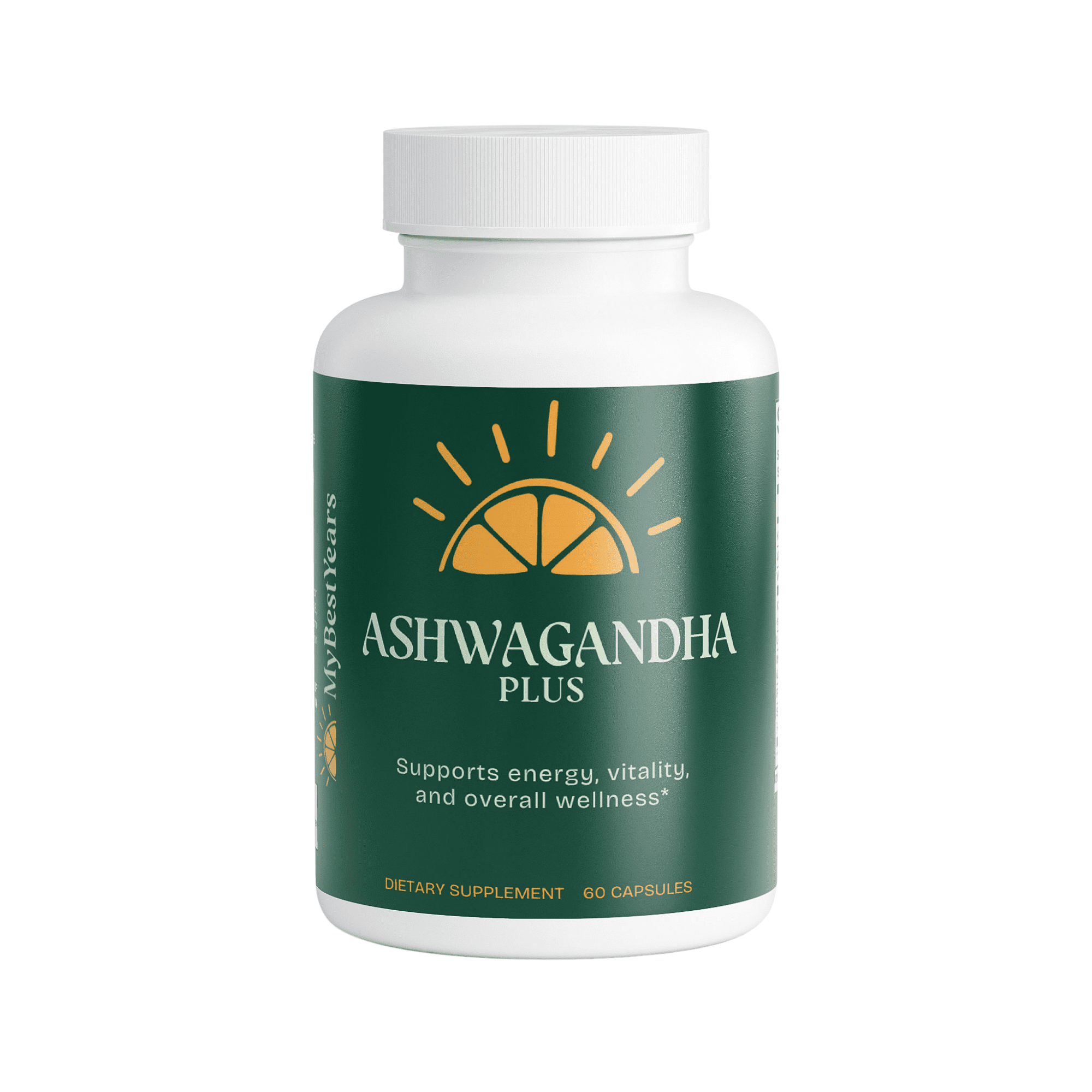
Ashwagandha Plus
$29.50 — or subscribe to save 5%