
Let’s be real — aging comes with its challenges. But one of the most powerful tools we have to stay strong and healthy as we get older is protein. Whether you’re looking to maintain muscle, keep your bones strong, or just feel more energized, protein plays a huge role in making sure your body stays in tip-top shape. So, let’s dive into why protein is so important after 50 and how you can make sure you’re getting enough.
Why Protein Matters for People Over 50
As we age, something happens to our muscles. We start to lose muscle mass—a process known as sarcopenia—which can leave us feeling weaker and less mobile. But here’s the good news: protein helps prevent muscle loss, and it can actually help you maintain strength as you get older. That means you can continue to enjoy activities like walking, gardening, and even playing with your grandkids without feeling like you’re running out of steam.
And it’s not just your muscles that benefit. Protein also plays a role in keeping your bones strong. As we age, our bones tend to become weaker, and that can increase the risk of fractures. But with adequate protein, you’re giving your body a solid foundation to keep those bones healthy and resilient. Protein also helps with metabolism, which can slow down with age, making it harder to maintain a healthy weight. In other words, protein is like your secret weapon to stay strong and energized.
Different Types of Protein
Not all proteins are created equal, and that’s actually a good thing because it gives you a lot of options! Here’s a breakdown of the main types:
Collagen protein: As we age, our body’s natural collagen production slows down, leading to wrinkles, stiff joints, and weaker skin. Collagen protein, which is often found in powders, helps support joint health and skin elasticity.
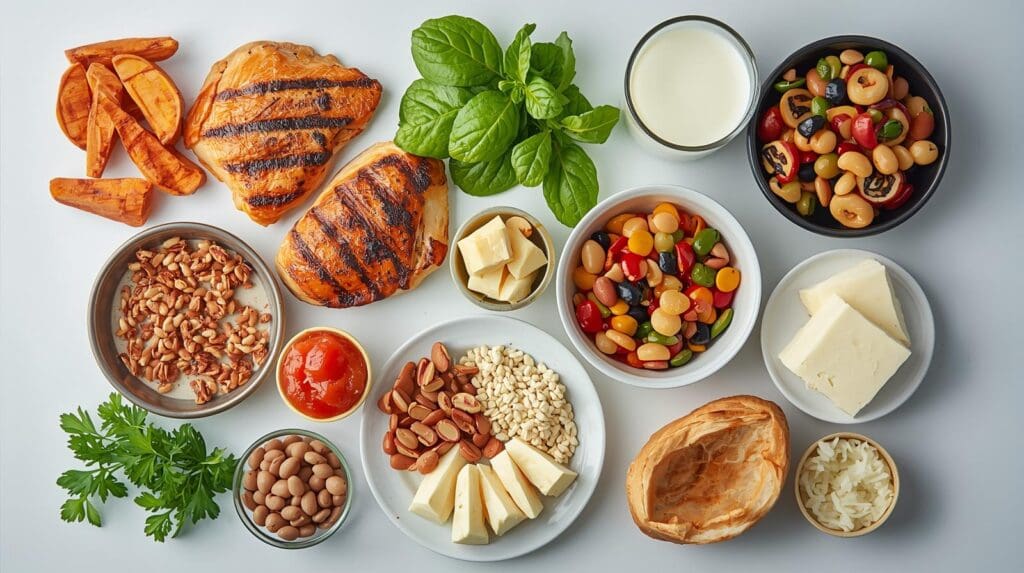
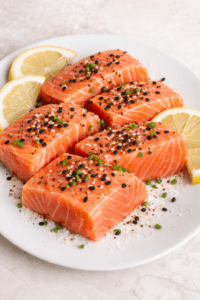
Animal-based proteins (like chicken, beef, fish, eggs, and dairy) are complete proteins, which means they contain all the essential amino acids your body needs. These are some of the highest-quality sources of protein.
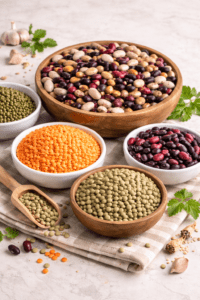
Plant-based proteins (like beans, lentils, quinoa, tofu, and nuts) are also great, especially if you’re vegetarian or vegan. They may not always contain all the essential amino acids on their own, but you can mix and match (like pairing beans with rice) to get everything you need.
Whey protein: This is a fast-absorbing protein made from milk. It’s great for muscle recovery and is a particularly useful in helping give our protein intake a boost. It’s also one of the easiest proteins to digest.

The Benefits of Getting Enough Protein
So, why should you pay attention to your protein intake? Here are some serious benefits:
Faster Recovery: Whether it’s recovering from a workout, surgery, or an injury, protein speeds up the repair process. It helps rebuild the muscles and tissues that were affected, so you heal faster.
Maintains Muscle Mass: As you age, keeping your muscles intact is crucial. Protein helps prevent muscle breakdown, so you stay strong and active.
Supports Bone Health: Protein is a big player in bone health. It helps your body absorb calcium, which is essential for strong bones. So, if you’re working on maintaining bone density, protein is your friend.
Keeps You Energized: Protein gives you long-lasting energy. Unlike carbs that can spike your blood sugar and then drop it, protein provides a steady stream of fuel that helps you keep going throughout the day.
Helps with Weight Management: Protein helps you feel full longer, which can prevent overeating. It also requires more energy for your body to digest, which can slightly boost metabolism and make it easier to maintain or lose weight.
Boosts Your Immune System: Your body needs protein to produce antibodies, which are essential for fighting off infections. So, getting enough protein keeps your immune system strong and ready to battle anything that comes your way.
What is the Healthy Level of Protein Intake?
So how much protein should you actually be eating?
For those over 50, you should aim for around 1.0 to 1.2 grams of protein per kilogram of body weight. For example, if you weigh 150 pounds (about 68 kg), that’s about 68 to 82 grams of protein per day.
To give you an idea, a 3-ounce piece of chicken has about 25 grams of protein, and a cup of cooked lentils has about 18 grams. So it’s not hard to hit your target—you just need to spread it out throughout the day.
My Best Years has a Protein Intake Calculator to make calculating the protein intake that’s right for you so much easier.
Here’s a list of some common high protein foods and their protein content:
- Chicken Breast (skinless, cooked)
- Protein: 31g per 100g
- Salmon (cooked)
- Protein: 25g per 100g
- Eggs
- Protein: 6g per large egg (50g)
- Greek Yogurt (non-fat)
- Protein: 10g per 100g
- Tofu (firm)
- Protein: 8g per 100g
- Lentils (cooked)
- Protein: 9g per 100g
- Cottage Cheese (low-fat)
- Protein: 11g per 100g
- Lean Beef (cooked)
- Protein: 22g per 100g
- Chickpeas (cooked)
- Protein: 9g per 100g
- Edamame (cooked)
- Protein: 11g per 100g
- Quinoa (cooked)
- Protein: 4g per 100g
- Pumpkin Seeds
- Protein: 19g per 100g
- Almonds
- Protein: 21g per 100g
- Peanut Butter
- Protein: 8g per 2 tablespoons (32g)
- Hemp Seeds
- Protein: 33g per 100g
- Pork Loin (cooked)
- Protein: 22g per 100g
- Tilapia (cooked)
- Protein: 26g per 100g
For a more comprehensive list of protein rich foods, including vegetarian options, take a look at our High Protein Foods Guide where you will find 100 different high protein food options and their Protein content.
What Can Cause Protein Deficiency
Many people over 50 don’t get enough protein, and that can lead to muscle loss, weight gain, and lower energy levels. Some factors that make it harder to get enough protein include:
- Limited knowledge: Some people simply don’t know how much protein they need and how simple it is to include protein into their diet.
- Decreased appetite: Sometimes as we age, our appetite naturally declines. That can make it harder to eat enough protein.
- Health conditions: Conditions like diabetes, kidney disease, and digestive problems can affect how well your body absorbs and processes protein.
- Less physical activity: If you’re not moving around as much, your muscles aren’t being used as much, so protein becomes even more crucial to prevent muscle loss.
- Dietary preferences: If you follow a vegetarian or vegan diet, you may need to be extra mindful of getting enough protein from plant-based sources.
How to Boost Your Protein Intake
If you’re worried you’re not getting enough protein, don’t stress — it’s easy to fix! Here are some ways to boost your intake:
- Know how much protein you need for your particular circumstances. Calculate your protein needs here.
- Add a protein source to every meal. Spread the protein intake across meals and snacks as evenly as you can
- Snack on high protein foods to help keep your intake consistent throughout the day.
- Check out our high protein food here and some high protein snacks here
- Supplement your protein intake with protein powder, a selection of protein powders can be found here
Final Thoughts
Protein isn’t just for bodybuilders — it’s essential for everyone, especially those of us over 50. It keeps our muscles strong, bones healthy, and metabolism running smoothly. Whether it’s through lean meats, plant-based options, or protein powders, there are so many ways to make sure you’re getting enough.
So, why not start today? A little extra protein can go a long way toward helping you feel better, stay active, and live life to the fullest. Your body will thank you!
Protein Supplements
-
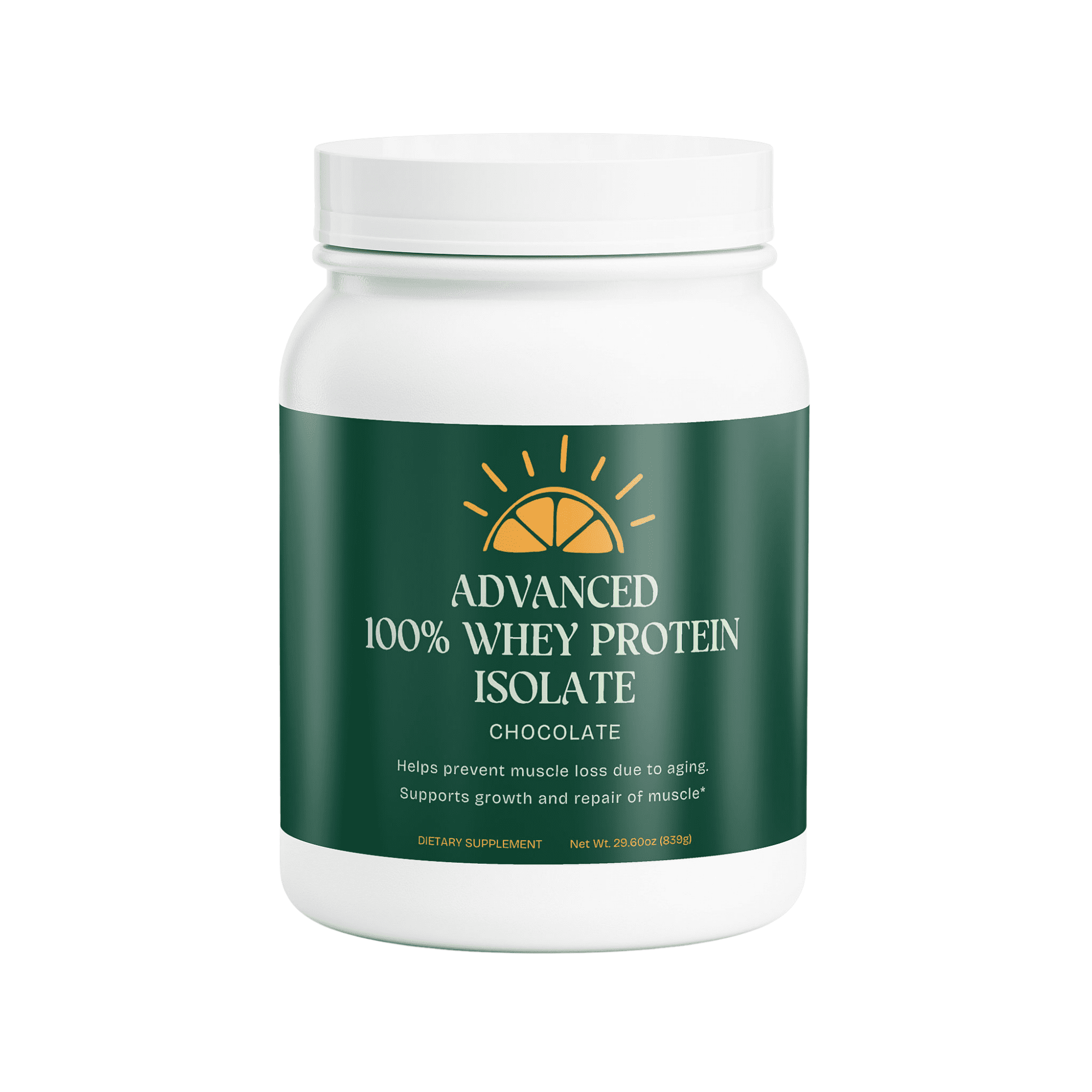
Advanced 100% Whey Protein Isolate, Chocolate, 1.85 lbs (840g)
$67.95 — or subscribe to save 5% -
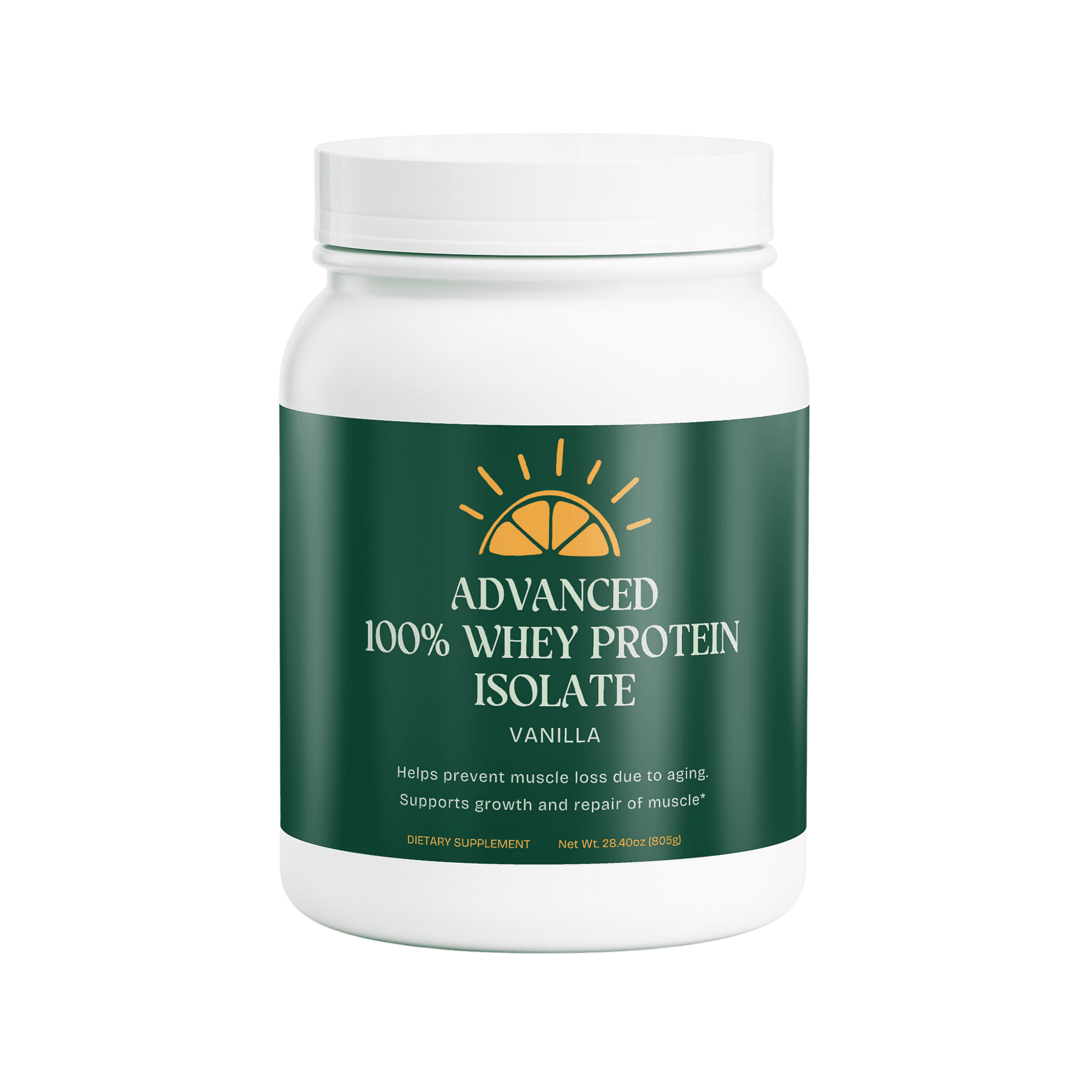
Advanced 100% Whey Protein Isolate, Vanilla, 1.78 lbs (805g)
$67.95 — or subscribe to save 5% -
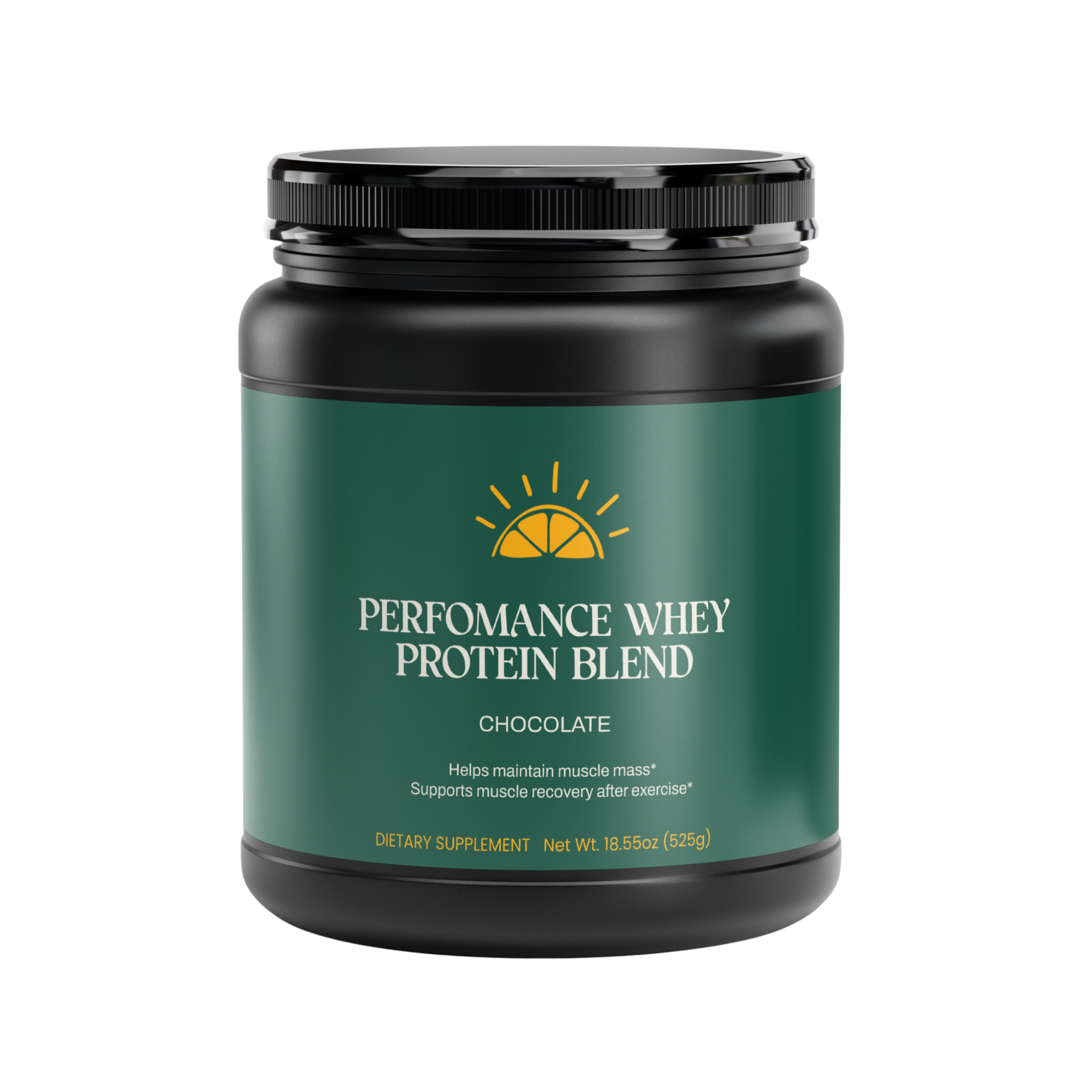
Performance Whey Protein Blend, Chocolate, 1.16lb (525 g)
$42.99 — or subscribe to save 5% -
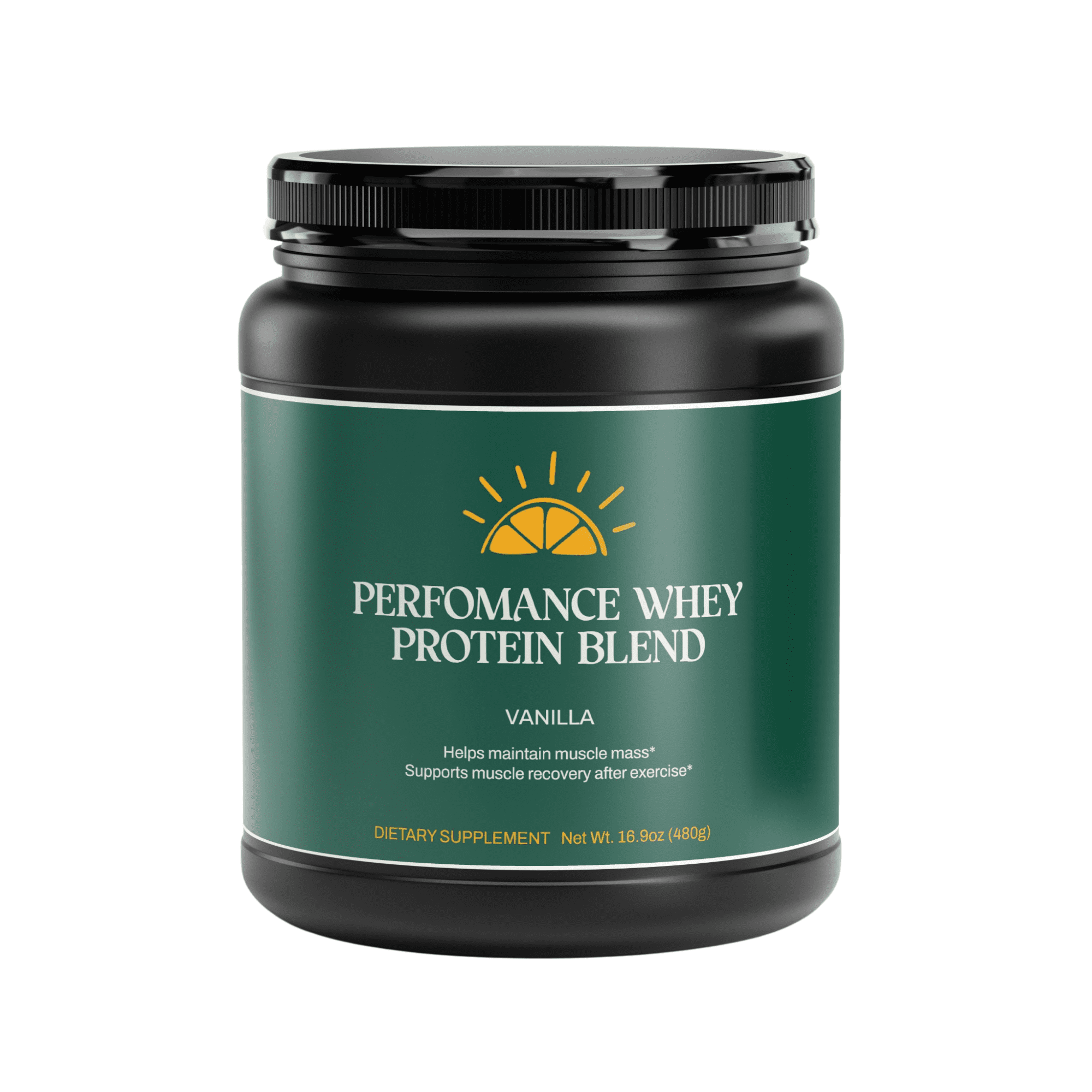
Performance Whey Protein Blend, Vanilla, 1.29 lb (585g)
$42.99 — or subscribe to save 5% -
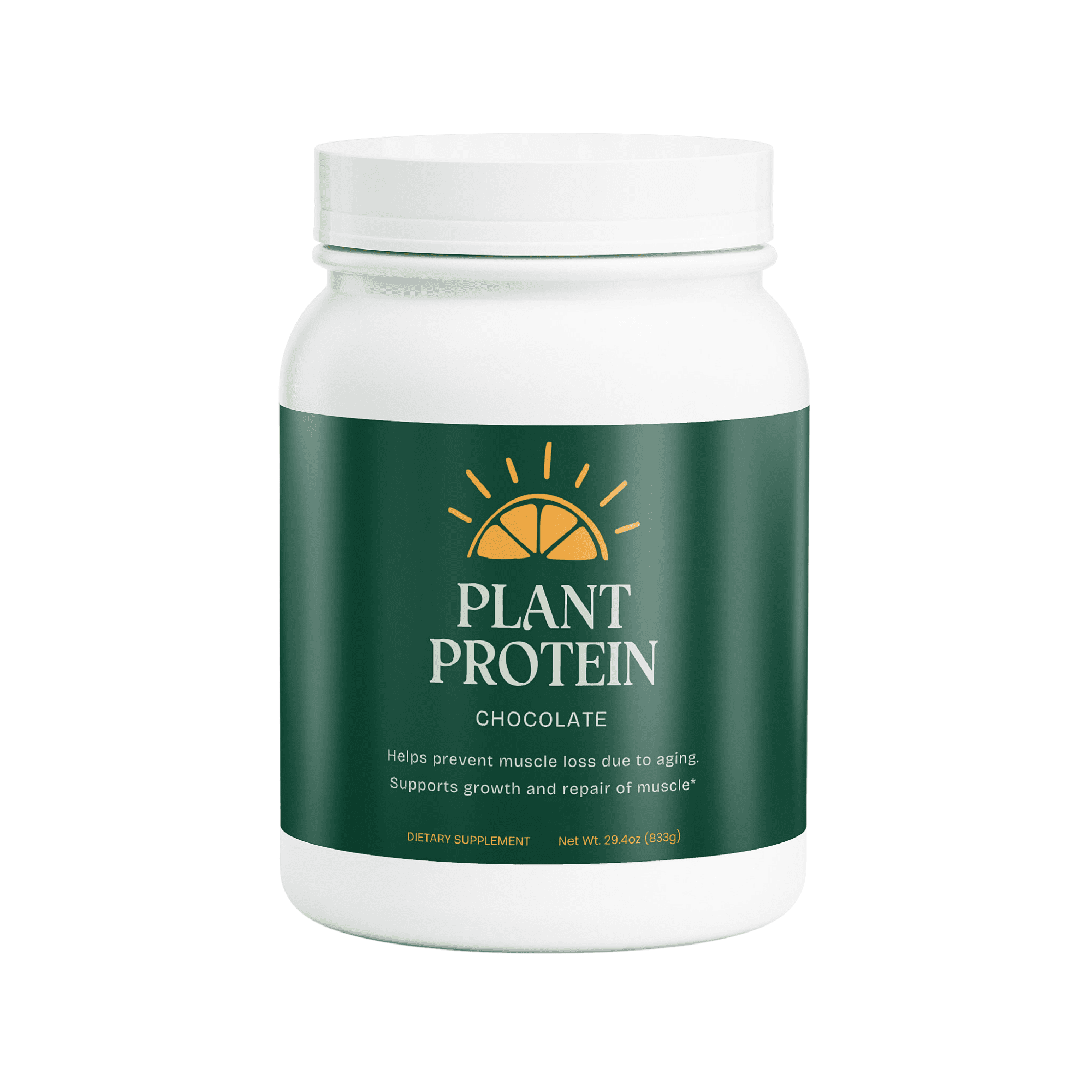
Plant Protein, Chocolate, 1.8 lbs (833g)
$59.99 — or subscribe to save 5% -
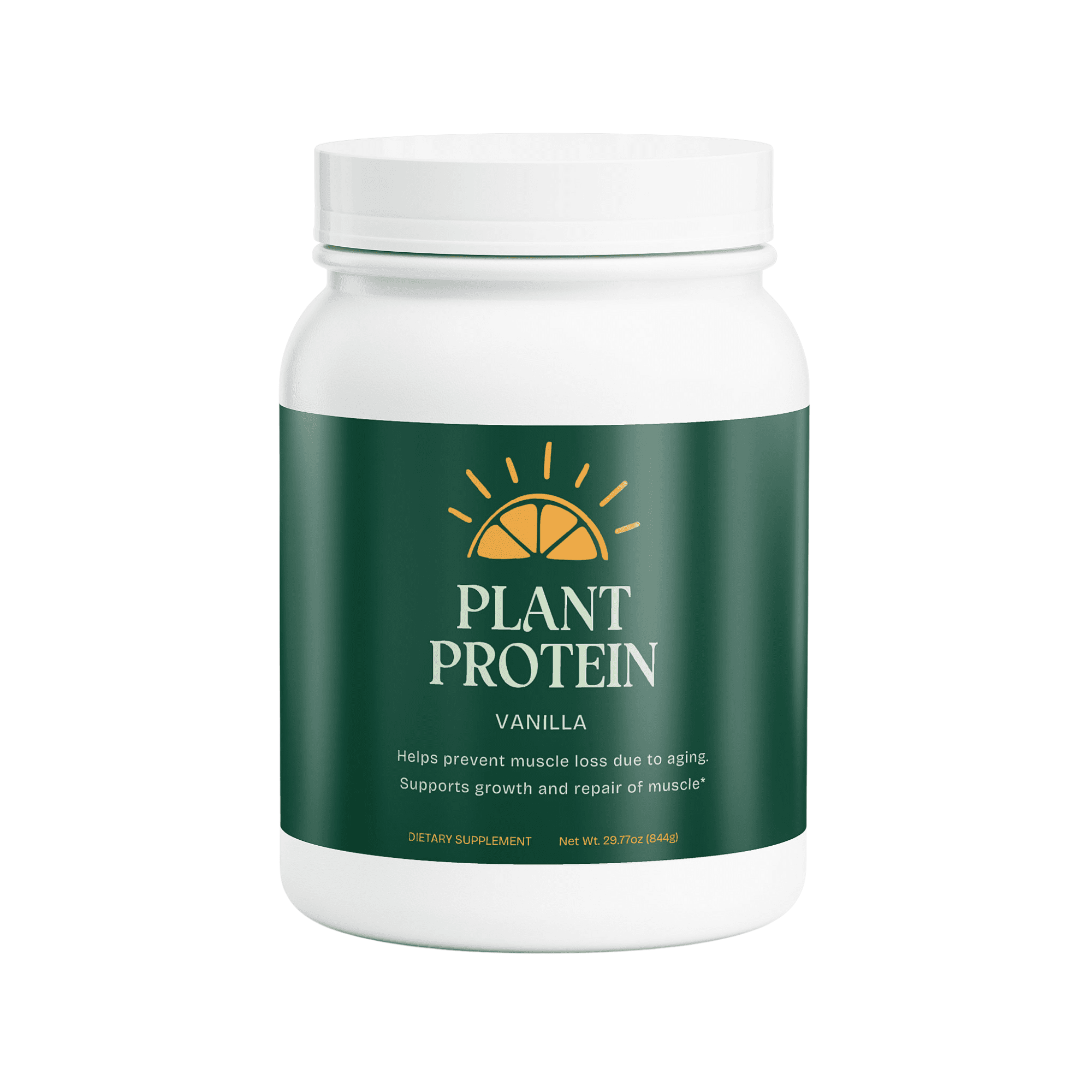
Plant Protein, Vanilla, 1.86 lbs (844g)
$59.99 — or subscribe to save 5% -
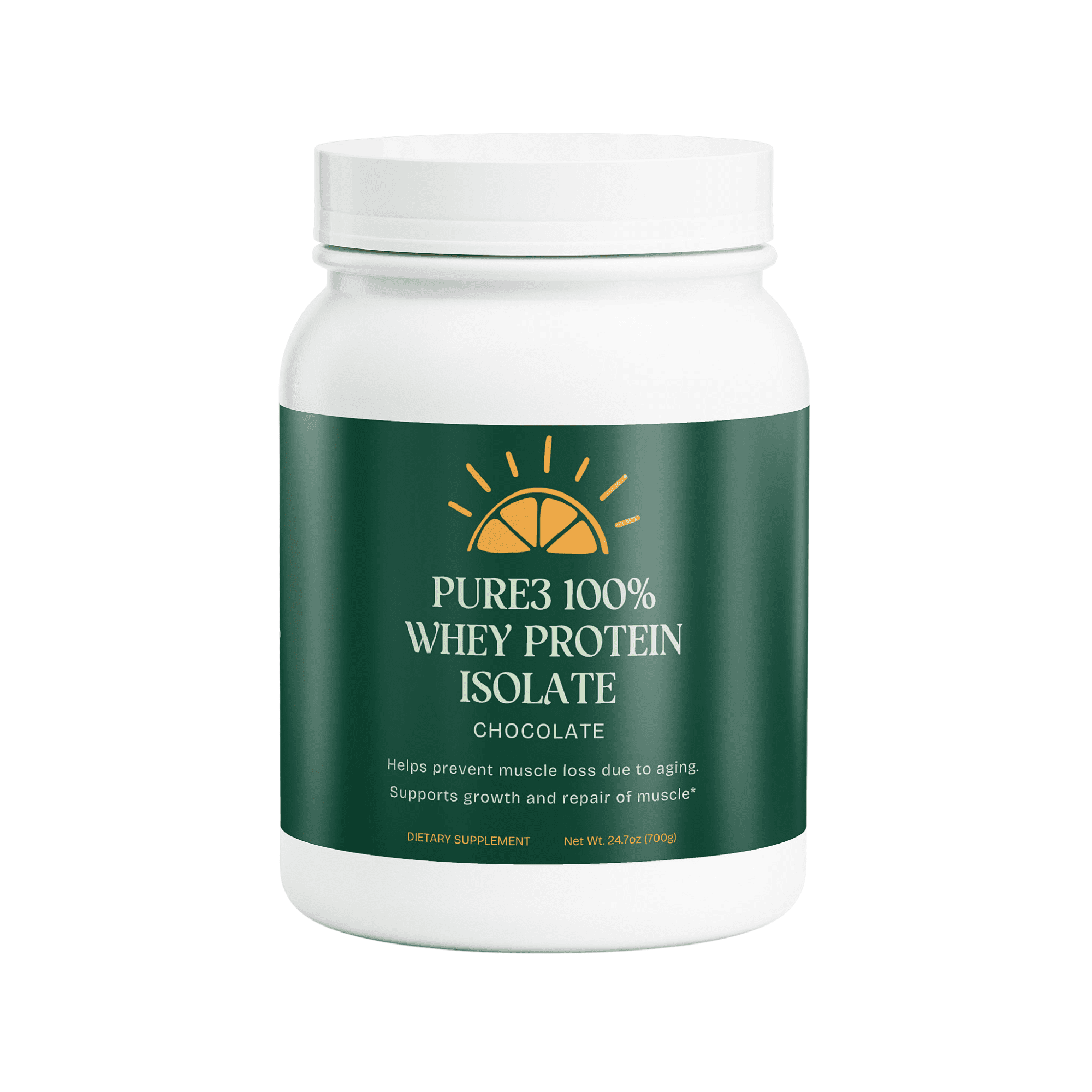
Pure3 100% Whey Protein Isolate, Chocolate, 2.04 lb (925g)
$69.95 — or subscribe to save 5% -
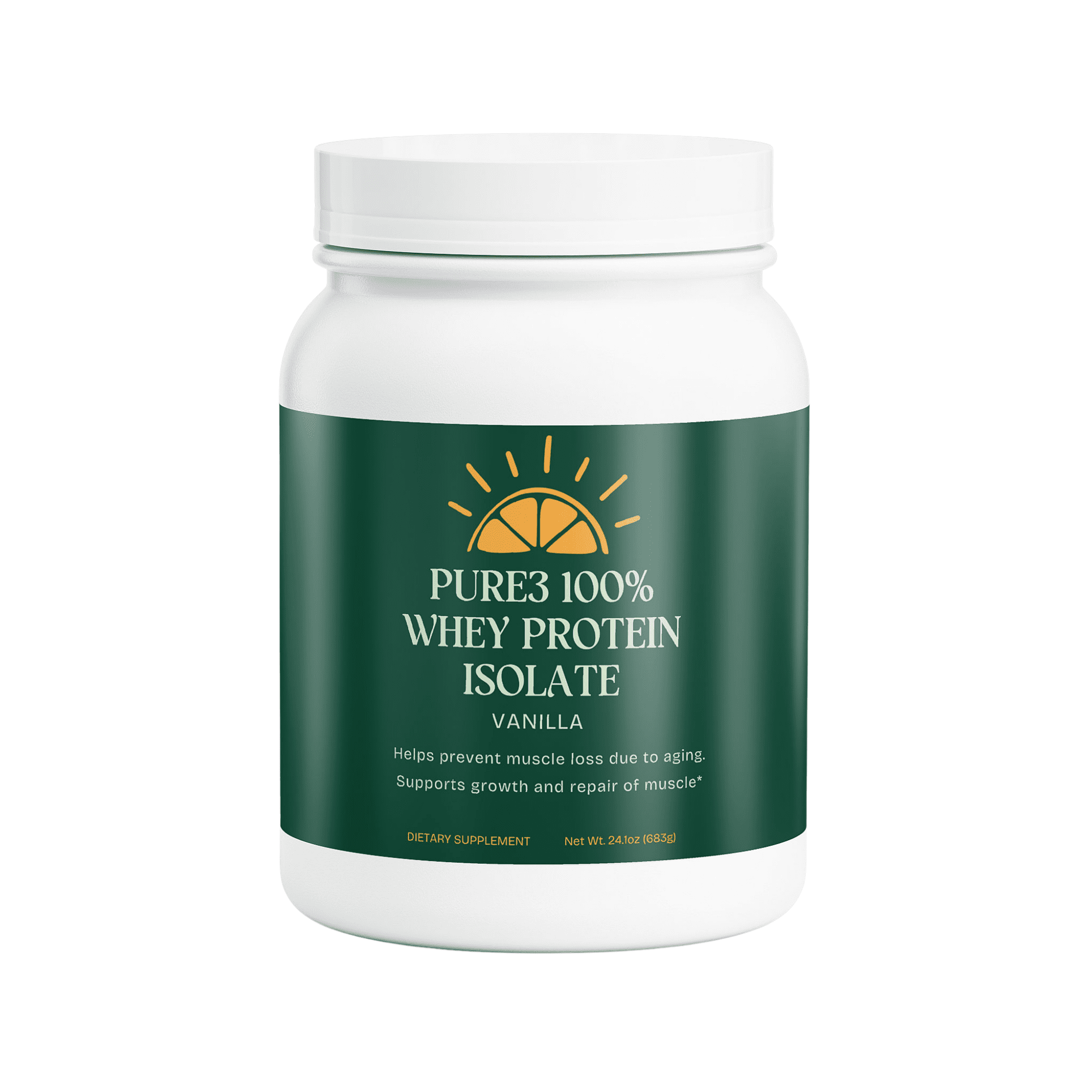
Pure3 100% Whey Protein Isolate, Vanilla, 2 lb (908g)
$69.95 — or subscribe to save 5%