
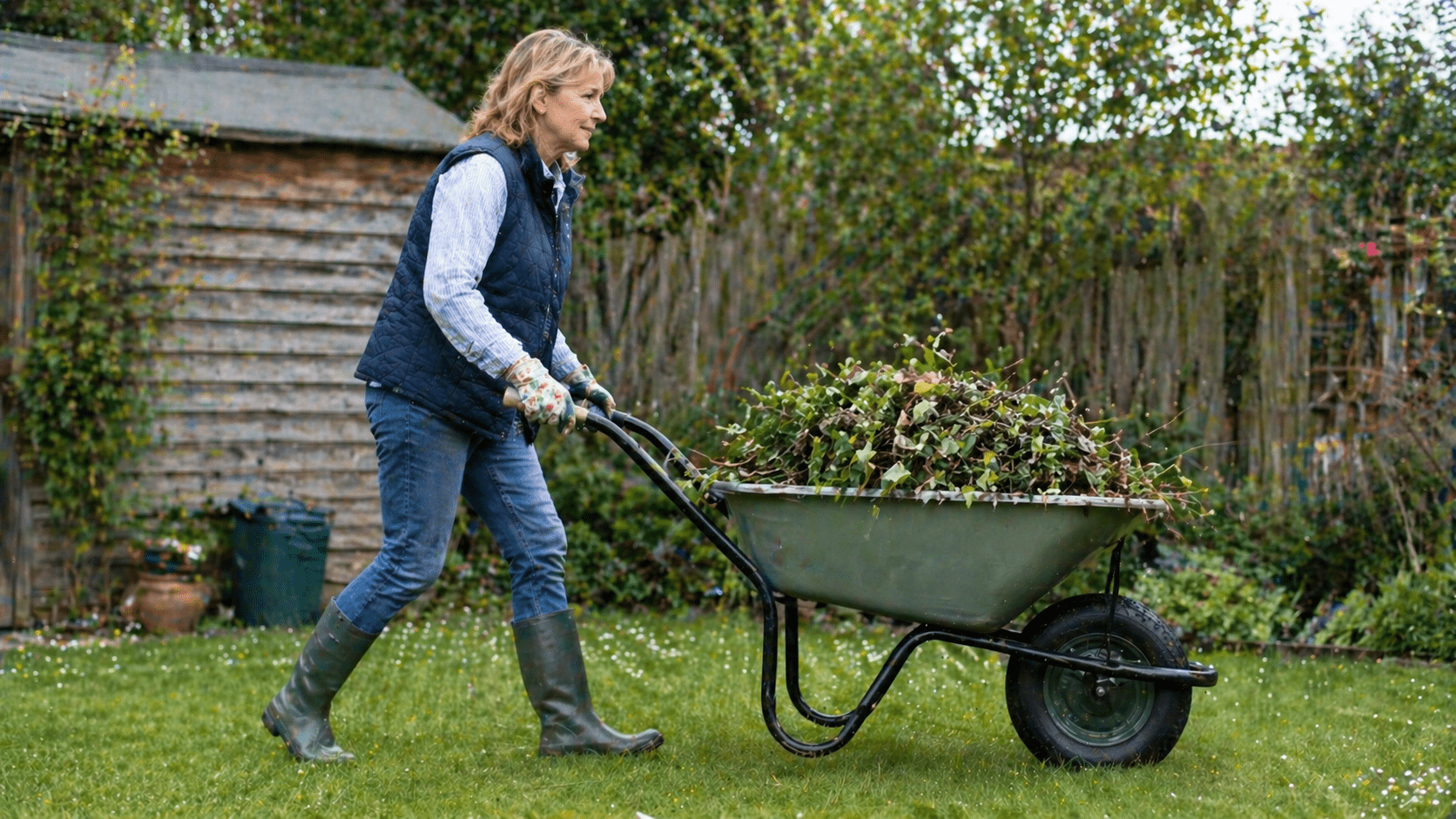
As we get older, the changes in our bodies are often noticeable, whether it’s those gray hairs that seem to appear overnight or the occasional joint creaks. But there’s one change that sneaks up quietly and can have a significant impact on your quality of life: sarcopenia. If you’re over 50, you might have heard the term before, but what exactly is sarcopenia? How can it affect your day-to-day life, and most importantly, how can you fight it?
Let’s take a look at this condition and explore the best ways to keep your body strong, healthy, and active well into your golden years.
What is Sarcopenia?
Sarcopenia is the gradual loss of muscle mass, strength, and function that typically comes with aging. The name comes from the Greek words sarx (flesh) and penia (poverty), essentially meaning “poverty of flesh” – and that’s exactly what it describes: the gradual loss of muscle mass. It’s not just about looking a little less toned or getting weaker in your arms; sarcopenia can lead to a significant decline in your ability to perform everyday tasks. It’s a natural process, but one that can be managed with the right approach.
Muscle mass typically peaks in your 30s, and after that, there’s a gradual decline of about 3-8% every decade. But after the age of 60, that rate of loss increases, with some people losing up to 15% of their muscle mass each decade. This decline in muscle mass often leads to a decrease in strength, balance, and mobility, and can eventually contribute to frailty, falls, and a reduced quality of life.
How Sarcopenia Can Impact Your Life
The effects of sarcopenia aren’t always immediately noticeable, but over time, the impact can be profound. One of the most obvious changes is a decrease in your strength and energy levels. You might notice that tasks that were once easy, like lifting groceries, climbing stairs, or carrying your grandkids, start to feel more difficult. Your balance may also suffer, increasing your risk of falls and injuries.
But it’s not just about physical strength. Sarcopenia can also take a toll on your mental and emotional well-being. The loss of mobility and independence can lead to feelings of frustration, isolation, and depression. Additionally, as you become more sedentary due to muscle weakness, you might find that your overall health starts to decline, with issues like weight gain, decreased bone density, and even slower metabolism creeping in.
Factors That Contribute to Sarcopenia
While aging is the primary factor contributing to sarcopenia, several other things can accelerate muscle loss as you get older. Some of these factors are lifestyle-related, while others may be related to health conditions or medications. Here’s a quick look at some key contributors:
- Inactivity: One of the most significant contributors to sarcopenia is a lack of physical activity. If you’re spending most of your time sitting or not engaging in regular movement, you’re not providing your muscles with the stimulus they need to stay strong and functional.
- Poor Nutrition: Muscles need protein to grow and maintain strength. As we age, our bodies become less efficient at utilizing protein, so it’s especially important to make sure we’re consuming enough. Without adequate protein intake, your muscles are more prone to wasting away.
- Chronic Illness: Conditions like diabetes, arthritis, and heart disease can contribute to muscle loss. These conditions often limit your ability to exercise or engage in physical activity, which can accelerate the loss of muscle mass.
- Medications: Some medications, particularly corticosteroids and other drugs used to treat chronic conditions, can contribute to muscle wasting. Talk to your doctor if you’re concerned about how your medications might affect your muscles.
- Hormonal Changes: Hormones play a significant role in muscle maintenance. As you age, changes in hormones such as testosterone, growth hormone, and estrogen can contribute to muscle loss.
How to Prevent Sarcopenia
The good news is that sarcopenia doesn’t have to be inevitable. You can take steps to preserve muscle mass and strength as you age. Prevention is key, and the earlier you start, the better. Here are some tips to help you fight back against muscle loss:
- Strength Training: Resistance or strength training is the most effective way to prevent or even reverse sarcopenia. Lifting weights, using resistance bands, or performing bodyweight exercises like squats and lunges can help maintain and build muscle. Aim for at least two to three strength training sessions per week.Try our ‘Easy Exercises to Improve Strength’ routine to get your muscles active – you use only your body weight and it can be done in your own home, no gym membership or equipment required.
- Stay Active: Beyond strength training, staying active overall is crucial. Regular walking, swimming, biking, or dancing will help keep your muscles engaged and your body moving. Aim for 150 minutes of moderate-intensity aerobic activity each week. For some help on getting active, have a look at our article on Walking for Exercise.
- Eat Enough Protein: Protein is the building block of muscle, and as you age, you need to make sure you’re getting enough. Try to include a good source of protein in every meal—think lean meats, fish, eggs, beans, tofu, and dairy. Aim for around 1.0-1.2 grams of protein per kilogram of body weight, and spread it out throughout the day to support muscle repair and growth. You can calculate your required protein intake using our Protein Intake Calculator and find a selection of high quality Proteins, made in the USA, right here. Take a look at our High Protein Foods Guide and our Easy, Healthy Snacks that offer some high protein options.
- Get Enough Vitamin D: Vitamin D is essential for muscle function, and a deficiency can accelerate muscle loss. Make sure you’re getting enough vitamin D, either through sunlight exposure, fortified foods, or supplements if necessary.
- Stay Hydrated: Proper hydration is essential for muscle function. Dehydration can cause muscle cramps and fatigue, which can make it harder to stay active and maintain strength.
- Check Your Hormone Levels: If you’re experiencing significant muscle loss, it might be worth getting your hormone levels checked. For some people, hormone replacement therapy or other treatments may be appropriate to help preserve muscle mass.
Steps You Can Take If You Already Have Sarcopenia
If you’ve already started experiencing muscle loss or have been diagnosed with sarcopenia, don’t worry—it’s never too late to start taking action. Here are some steps to help you regain strength and preserve your muscle function:
- Focus on Strength Training: Even if you’ve already lost muscle, resistance training is still one of the most effective ways to build it back up. Start with lighter weights, your own body weight or resistance bands, and gradually increase the intensity as your strength improves. Aim for exercises that target all major muscle groups, such as squats, lunges, push-ups, and rows. As mentioned above, try our ‘Easy Exercises to Improve Strength’ to get you started at home quickly and easily. Start slow, listen to your body and build over time.
- Get Professional Help: Working with a physical therapist or a certified trainer who specializes in working with older adults can help you learn proper form and ensure you’re doing exercises that are safe and effective for your body.
- Eat More Protein: If you’re already experiencing muscle loss, it’s even more important to eat a protein-rich diet. Consider consulting with a nutritionist to make sure you’re getting enough of the right foods to support muscle recovery. Use the resources available to you in My Best Years, as mentioned above:
- Manage Chronic Conditions: If you have underlying health conditions like diabetes, arthritis, or osteoporosis, managing these effectively will help prevent further muscle loss. Work with your healthcare provider to ensure you’re doing all you can to support your overall health.
- Supplements: Some supplements, like creatine and glutamine, can be helpful for supporting muscle health and strength. You can find both creatine and glutamine, made from high quality ingredients in the USA, right here
Where to Go for More Help
If you’re concerned about sarcopenia or if you’re already experiencing muscle loss, there are plenty of resources available to help you take control of your health.
- Your Doctor: The first step is to talk to your doctor. They can assess your muscle mass, check for any underlying health conditions, and guide you on the best approach to prevent or manage sarcopenia.
- Physical Therapists: A physical therapist can create a personalized exercise plan to help you maintain strength and mobility. They can also help with any pain or discomfort that might come from working out.
- Nutritionists/Dietitians: A dietitian can help you ensure that you’re eating the right foods to support muscle health, and they can give you tips on protein intake, supplements, and other dietary factors.
- Local Fitness Centers: Many gyms and community centers offer fitness classes tailored for older adults. Check with your local facilities to see if they offer strength training classes designed to help you fight sarcopenia.
Final Thoughts: While sarcopenia is a natural part of aging, it doesn’t have to control your life. By staying active, eating well, and taking care of your muscles, you can preserve your strength and independence as you age. It’s never too late to start, and every step you take can help you maintain a higher quality of life for years to come. So, let’s keep moving, lifting, and staying strong together!
If you have any questions or need help getting started, reach out to your healthcare provider, a personal trainer, or a nutritionist. The best time to act is now!
Supplements that Support Improved Strength
-
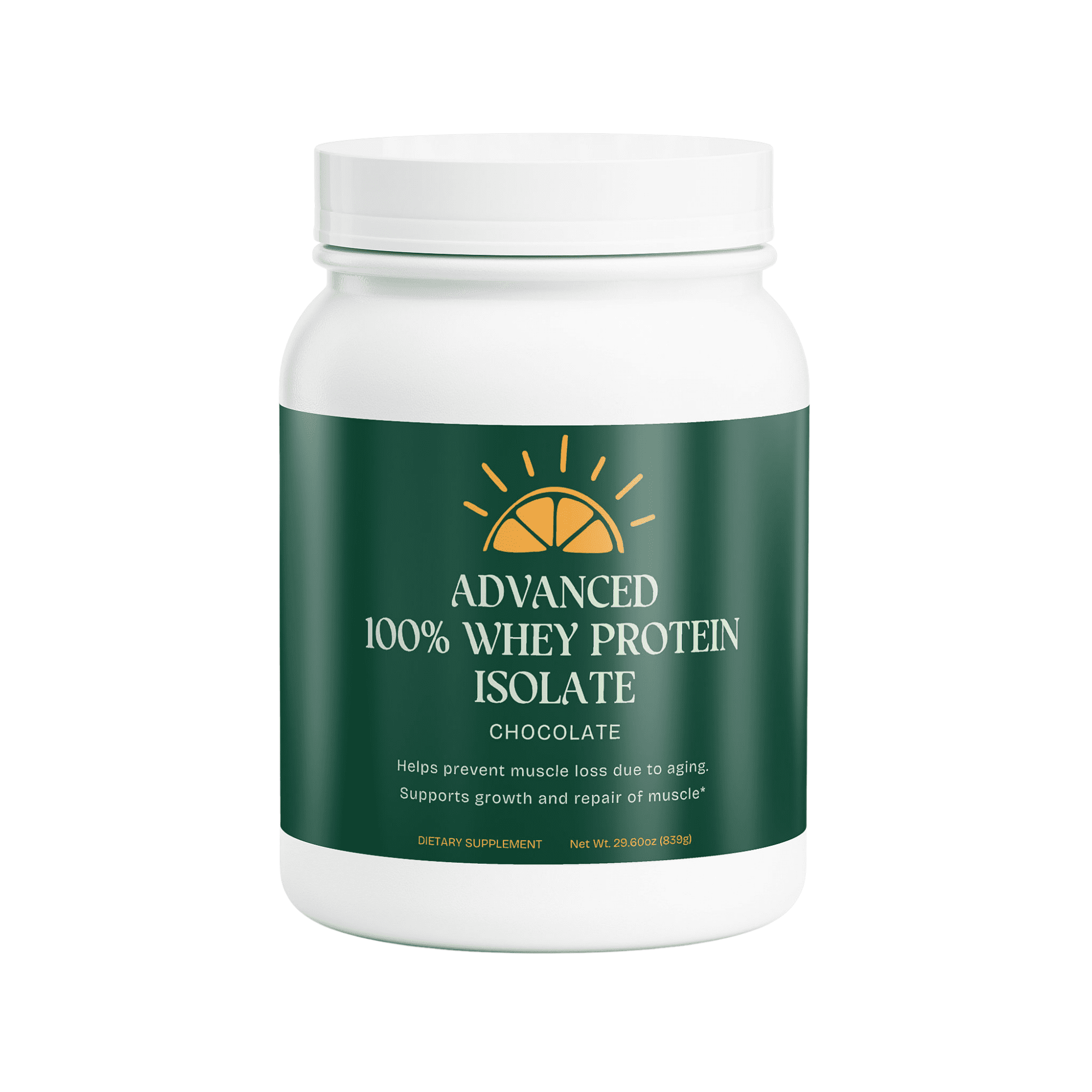
Advanced 100% Whey Protein Isolate, Chocolate, 1.85 lbs (840g)
$67.95 — or subscribe to save 5% -
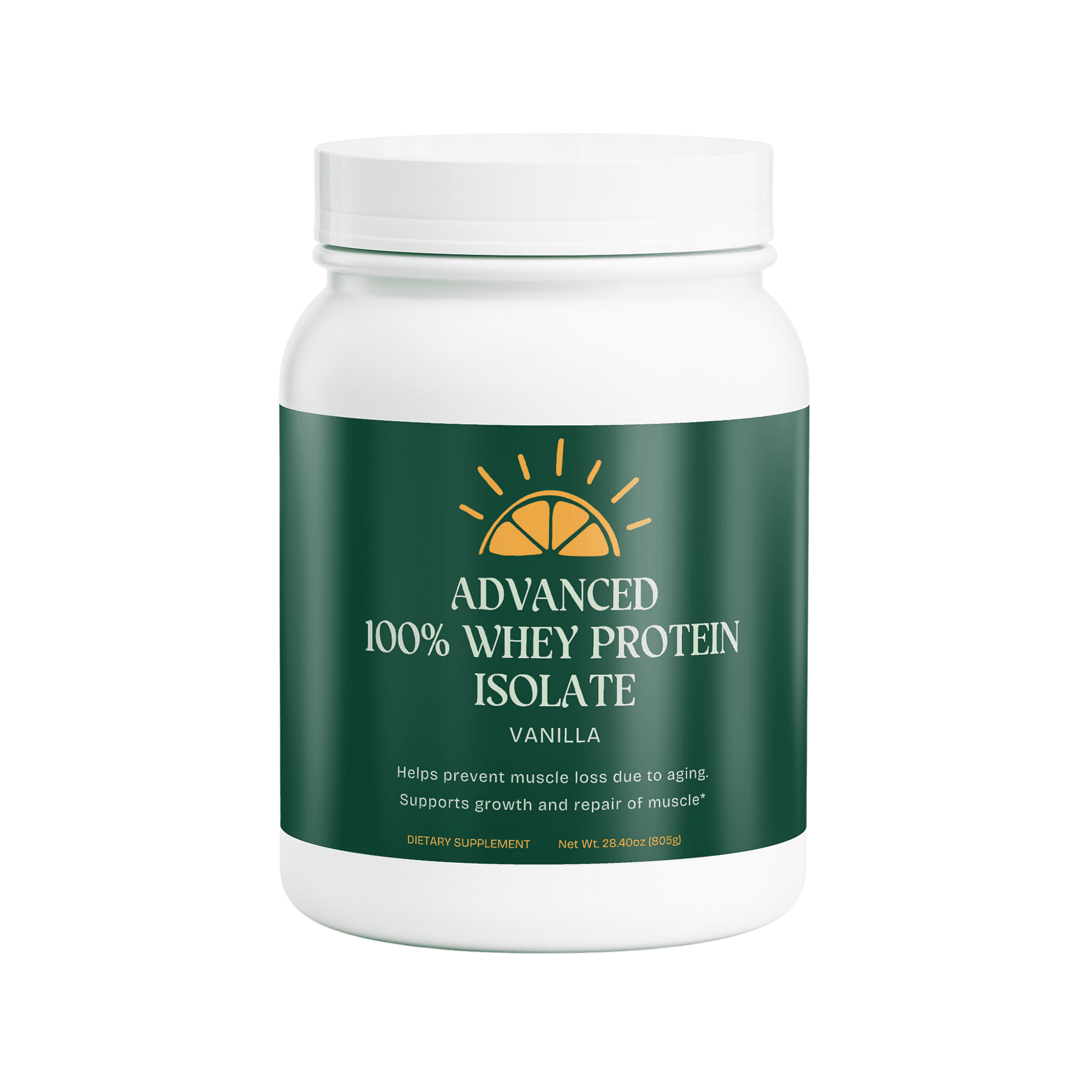
Advanced 100% Whey Protein Isolate, Vanilla, 1.78 lbs (805g)
$67.95 — or subscribe to save 5% -
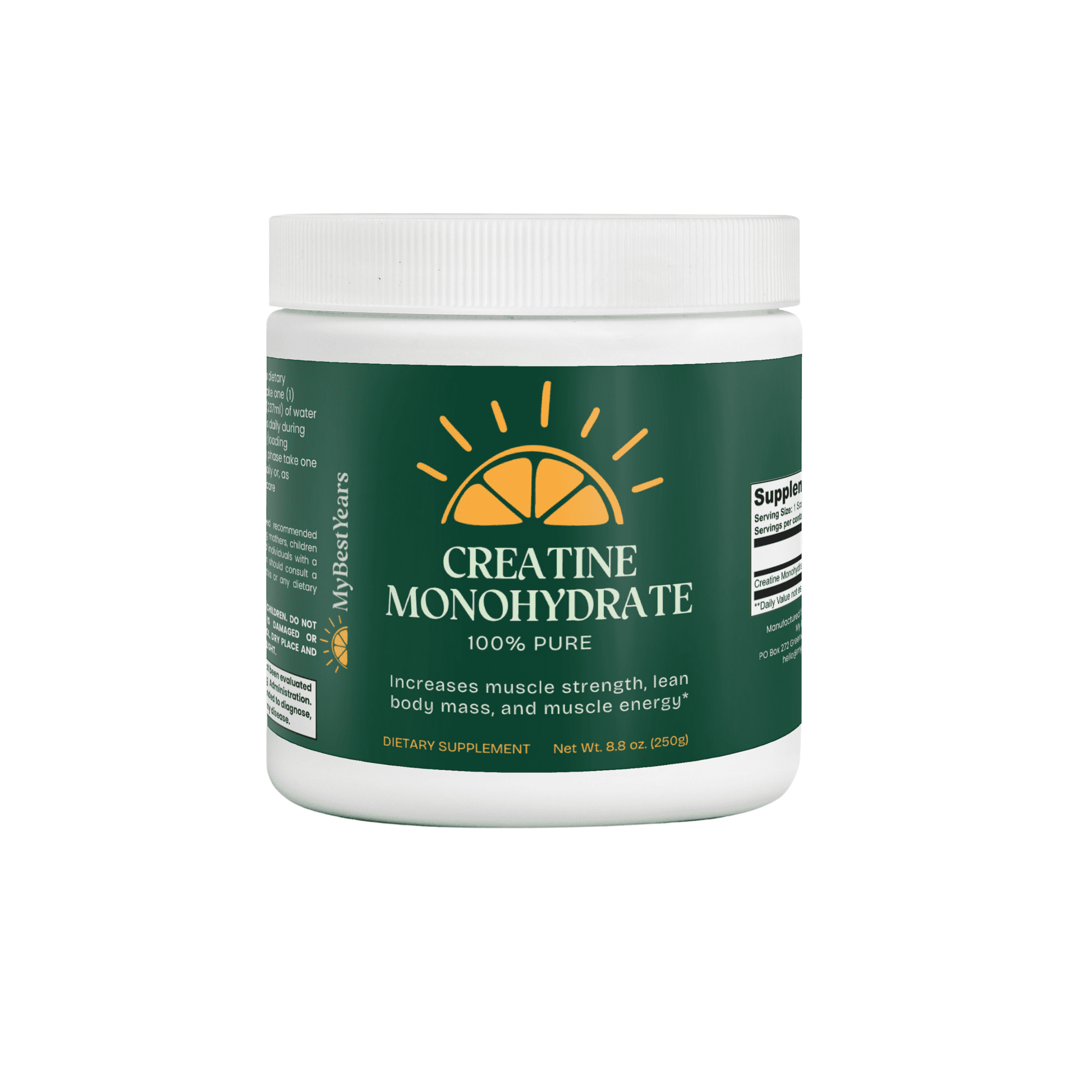
Creatine Monohydrate
$33.90 — or subscribe to save 5% -
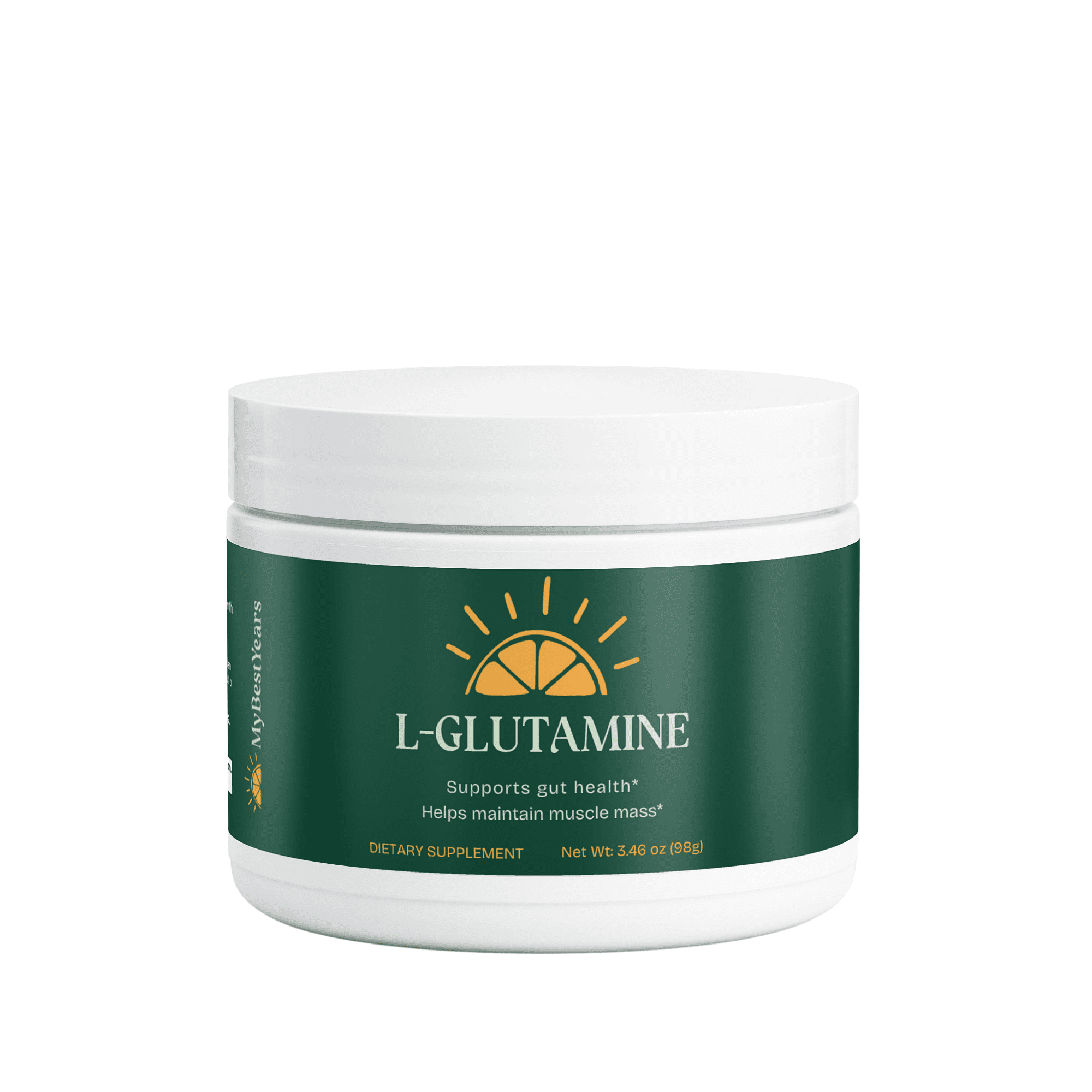
L-Glutamine
$26.90 — or subscribe to save 5% -
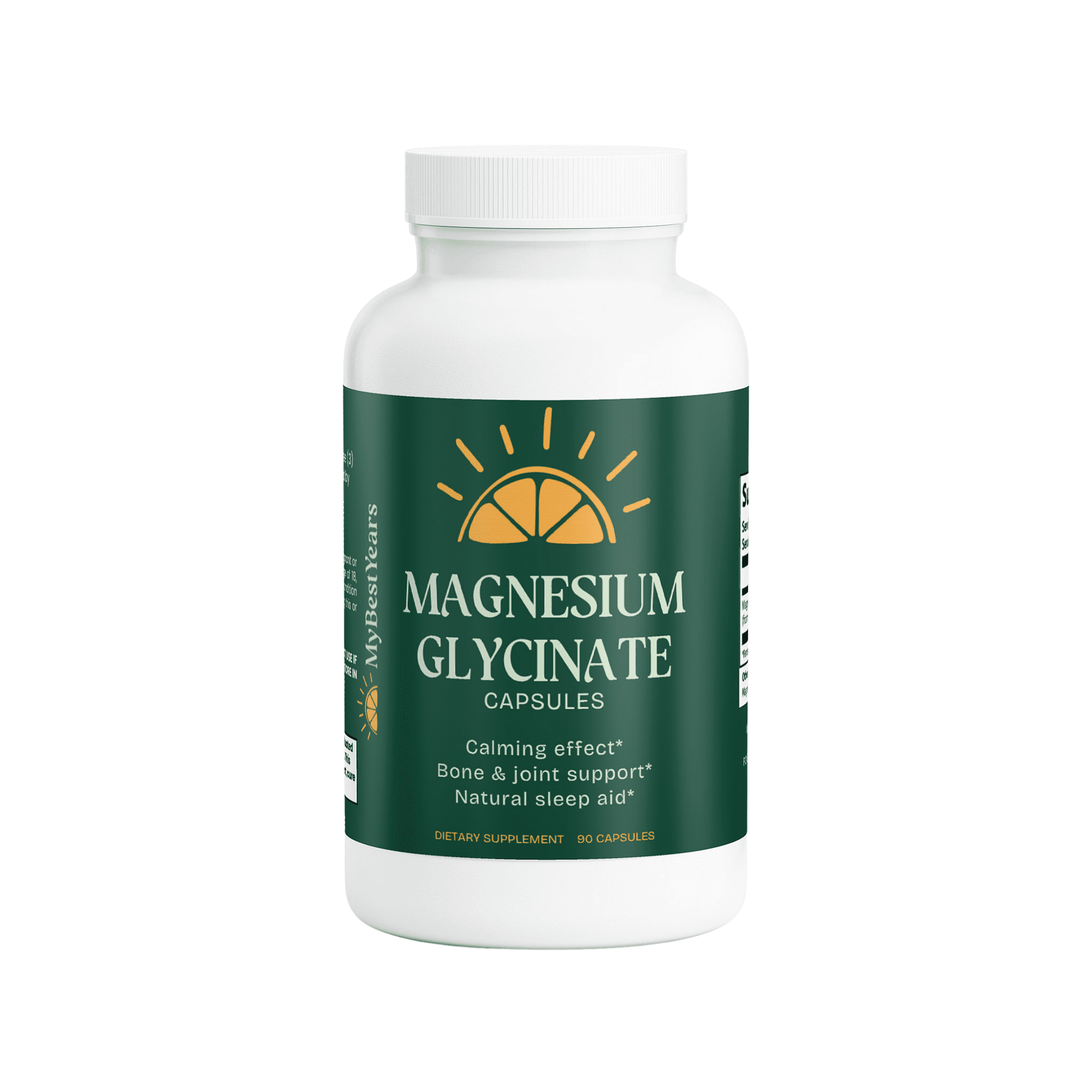
Magnesium Glycinate
$26.90 — or subscribe to save 5% -
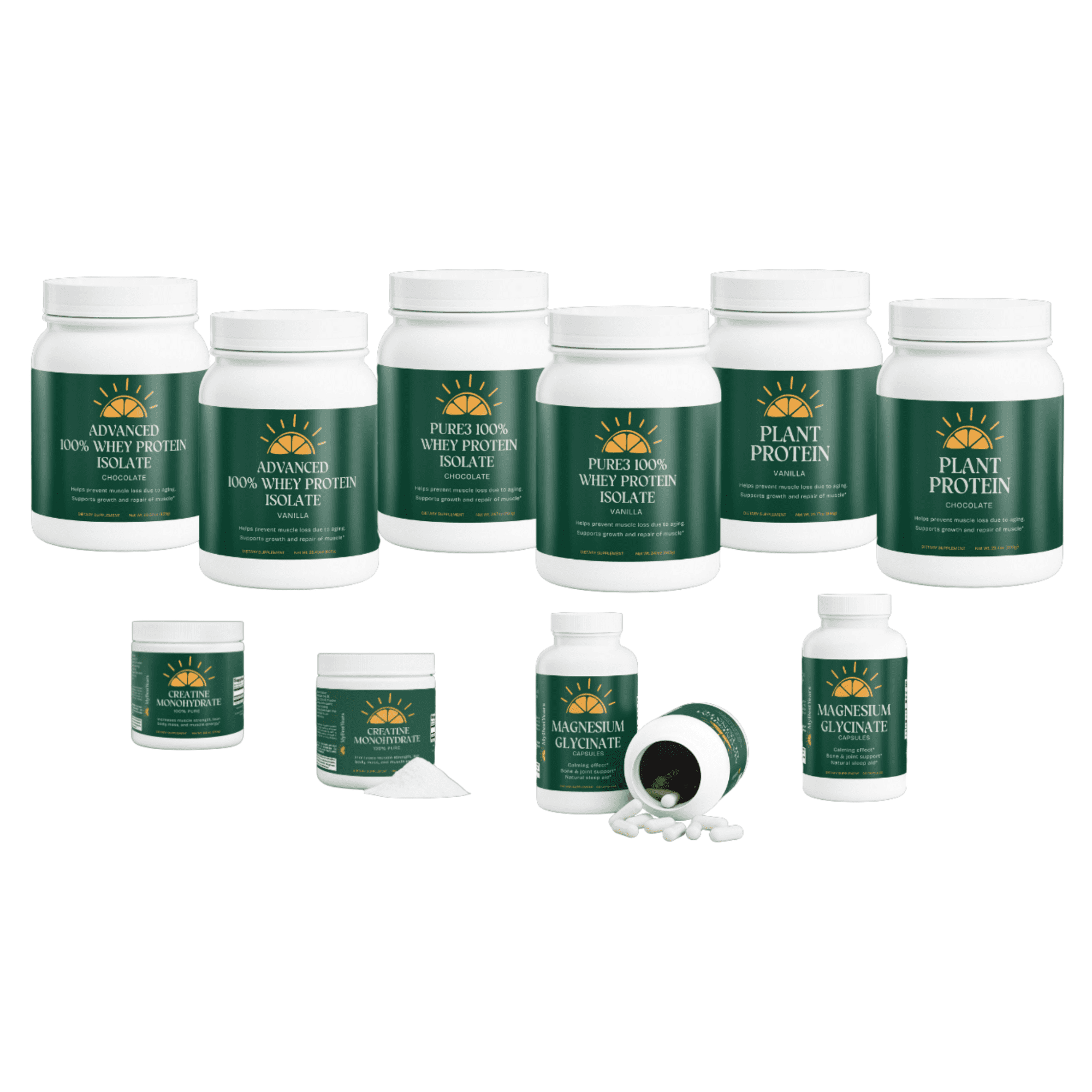
My Energy & Strength Bundle
Original price was: $120.79.$102.67Current price is: $102.67. — or subscribe to save 5% -
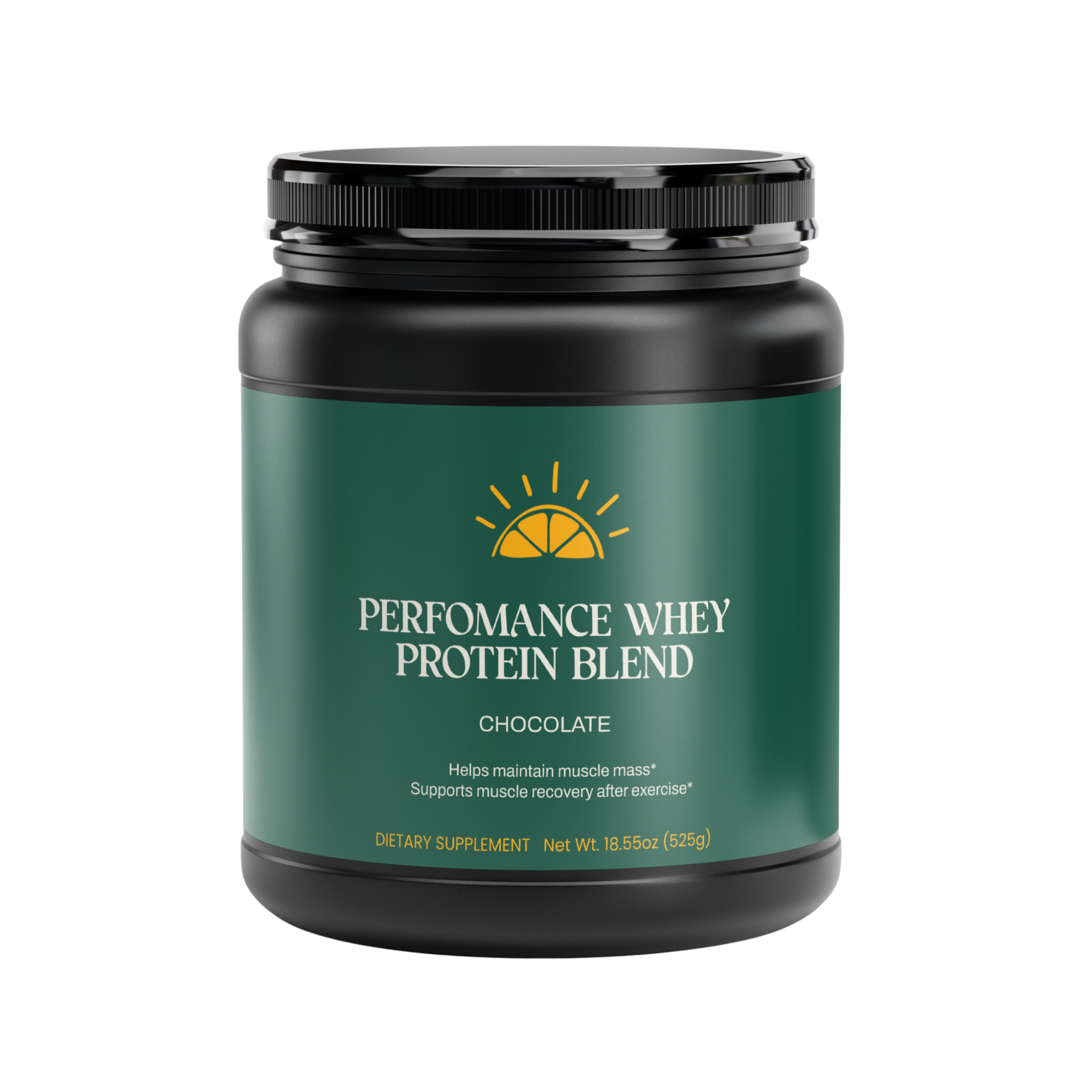
Performance Whey Protein Blend, Chocolate, 1.16lb (525 g)
$42.99 — or subscribe to save 5% -
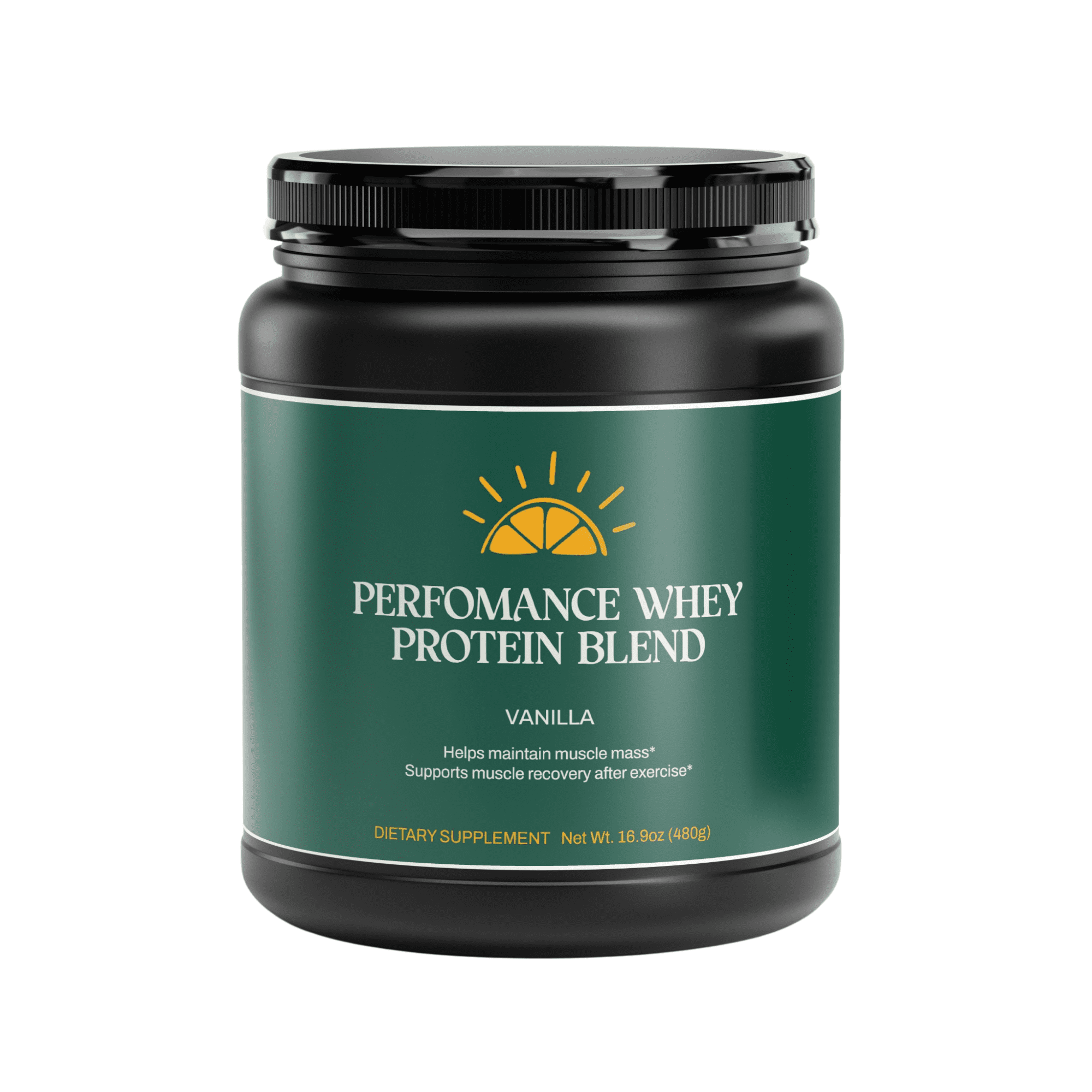
Performance Whey Protein Blend, Vanilla, 1.29 lb (585g)
$42.99 — or subscribe to save 5% -
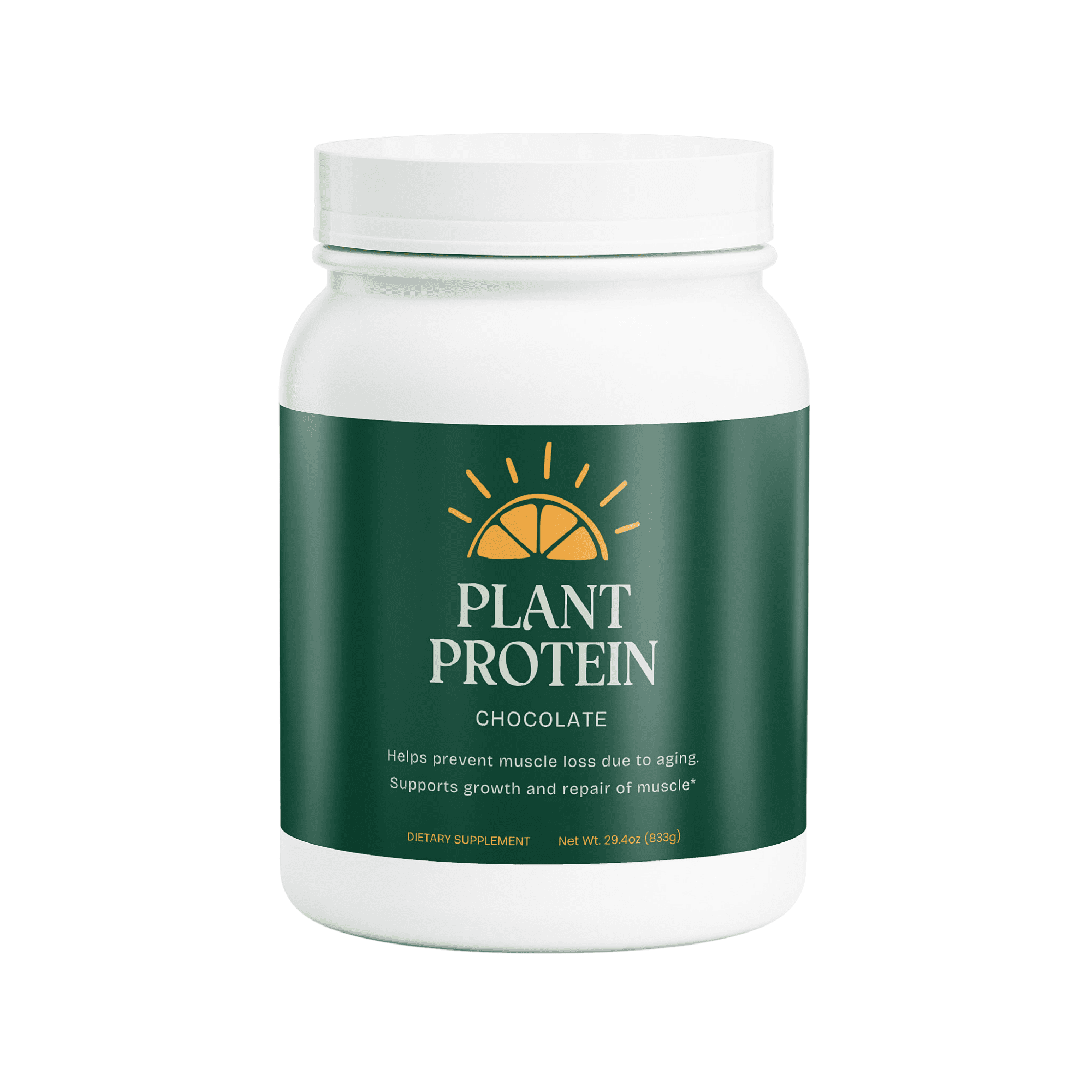
Plant Protein, Chocolate, 1.8 lbs (833g)
$59.99 — or subscribe to save 5%