
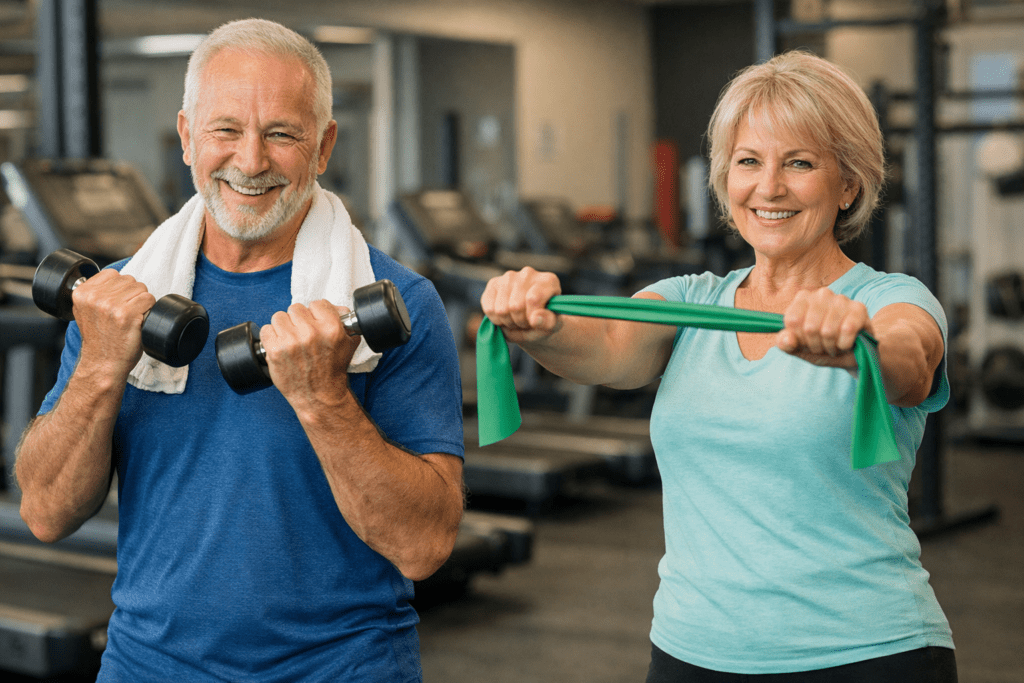
If you’re over 50 and looking to maintain or even improve your strength, you might be wondering: Is strength and resistance training right for me? The answer is a resounding yes! In fact, it’s one of the most beneficial things you can do for your body at any age, but especially as you get older. Let’s break it down and explore why strength training matters, how it can improve your life, and how you can get started—even if you’ve never lifted a weight before.
What is Strength & Resistance Training?
Strength training, also known as resistance training, involves using weights, resistance bands, body weight, or machines to strengthen your muscles. The goal is to challenge your muscles by making them work harder than they are used to. This can help you build muscle, improve muscle endurance, and enhance your overall functional strength, which is critical for day-to-day activities.
There are two main types of strength training:
Dynamic: Moving your muscles through a range of motion, typically using weights or resistance bands (like squats or lifting dumbbells).
Isometric: Holding a muscle contraction without changing the length of the muscle (like holding a plank).
Why It Matters
As we age, our bodies undergo many changes. One of the most noticeable changes is the loss of muscle mass—a condition known as sarcopenia. Starting around the age of 30, we naturally begin to lose muscle mass at a rate of about 3–8% per decade. This loss can accelerate after age 50. The decline in muscle mass affects your strength, mobility, balance, and ability to perform everyday tasks.
Strength training is vital because it can:
- Prevent muscle loss: Regular resistance exercises help you preserve muscle mass, making it easier to maintain your strength.
- Boost metabolism: Building muscle increases your resting metabolism, which means you burn more calories at rest.
- Improve bone health: Weight-bearing exercises stimulate bone growth, helping to prevent conditions like osteoporosis.
- Enhance balance and coordination: Strength training improves your stability, which helps reduce the risk of falls—one of the leading causes of injury in older adults.
- Support joint health: Strengthening muscles around your joints can reduce pain and stiffness, especially if you have arthritis or other joint issues.
Different Types of Strength Training
Not all strength training is the same! Depending on your goals, abilities, and preferences, there are several types of resistance training you can try:
- Free weights: Dumbbells, kettlebells, or barbells allow you to perform exercises that mimic real-life movements. They engage multiple muscles and improve overall strength.
- Machines: If you’re new to strength training or have joint concerns, resistance machines can provide a safer, more controlled environment to build strength.
- Bodyweight exercises: Squats, push-ups, lunges, and planks use your body weight as resistance, making them ideal if you don’t have access to weights or equipment.
- Resistance bands: These versatile tools offer constant tension during exercises and are great for improving mobility, flexibility, and strength.
- Circuit training: A combination of different exercises performed in a sequence. Circuit training can provide both strength and cardiovascular benefits.
Benefits of Getting This Right
When done correctly, strength and resistance training can have profound benefits for those over 50:
- Increased strength: The most obvious benefit is stronger muscles. This translates into better functional strength for everyday activities like lifting groceries, carrying bags, or getting up from a chair.
- Better bone density: As we age, bones can become more brittle. Weight-bearing exercises help maintain bone density and can even prevent the onset of osteoporosis.
- Increased mobility and flexibility: Strength training enhances joint function and mobility, making it easier to move and reducing the risk of injury.
- Improved mental health: Exercise releases endorphins, which help reduce stress and anxiety. Strength training has also been shown to improve cognitive function and combat the symptoms of depression.
- Better sleep: Regular physical activity, including strength training, promotes better sleep, leaving you feeling more rested and energized during the day.
What “Normal” Looks Like
When you begin strength training over 50, “normal” doesn’t mean lifting heavy weights from day one. It’s about finding your baseline and gradually increasing the intensity as you go. At first, you might start with bodyweight exercises or light resistance bands. Over time, you can increase the weight, the number of reps, or the number of sets to continue challenging your muscles.
Remember: Progress is progress, no matter how small. Whether you’re lifting a 5-pound dumbbell for 10 reps or doing 20 bodyweight squats, you’re making a difference in your health.
Risk Factors
While strength training is generally safe for people over 50, it’s important to be mindful of any pre-existing conditions or injuries that could affect your ability to perform certain exercises.
Some risk factors to be aware of:
- Joint problems: If you have arthritis or other joint issues, be cautious with exercises that put strain on the joints. Use machines or lighter weights and focus on low-impact exercises like swimming or cycling for cardio.
- Heart conditions: Always consult your doctor before starting any new exercise regimen, especially if you have a history of heart disease or hypertension.
- Osteoporosis: If you have osteoporosis, focus on lower-impact exercises and avoid heavy lifting or high-impact activities that could increase the risk of fractures.
How to Improve
The good news is that strength training can be adapted to fit your needs and goals at any fitness level. Here are a few ways to start:
- Start slow: If you’re new to strength training, begin with bodyweight exercises or light resistance bands. Work with a trainer or physical therapist if needed to ensure proper form.
- Consistency is key: Aim for at least 2–3 days of strength training per week, with rest days in between. You don’t need to work out every day to see results, but consistency will help you progress.
- Focus on compound movements: These exercises work multiple muscle groups at once, which maximizes your workout efficiency. Examples include squats, lunges, push-ups, and rows.
- Progressive overload: To continue seeing results, gradually increase the intensity of your workouts. This could mean adding more weight, increasing the number of reps, or trying more challenging exercises.
- Incorporate flexibility and mobility: Stretching and mobility work are essential to prevent injury and improve flexibility. Include these in your workout routine to support muscle recovery and overall well-being.
- Traditional & Herbal Approaches: Traditional approaches like yoga or Pilates can complement strength training by improving flexibility and reducing stress on the body. For herbal and natural approaches, supplements like turmeric, ginger, or omega-3 fatty acids can help reduce inflammation and support joint health.
- Supplements: Consider supplements like collagen, glucosamine, chondroitin, and magnesium to support muscle and joint health. Always consult with a healthcare professional before introducing new supplements to your routine.
Where to Go for More Help
If you’re not sure where to start, or if you want guidance on building a strength training program tailored to your needs, there are plenty of resources available:
- My Best Years has a simple 7-Day Workout Plan designed to build your strength using your own body weight (so no equipment required), in your own home in your own time. If this appeals to you the you will find the plan here
- Personal trainers: Many trainers specialize in working with older adults and can provide personalized plans that take your fitness level and health conditions into account.
- Physical therapists: If you have any injuries or concerns, a physical therapist can help you with mobility exercises and make sure you’re performing movements safely.
- Fitness apps: Apps like MyFitnessPal, Trainerize, and others offer strength training routines that can be tailored to your fitness level and goals.
- Online Communities: Joining a fitness group or online community can help keep you motivated and provide support from others on the same journey.
Final Thoughts
Strength and resistance training isn’t just for bodybuilders or athletes—it’s for anyone looking to maintain independence, prevent injuries, and improve their overall health. Whether you’re just starting out or looking to take your fitness to the next level, strength training after 50 is one of the most powerful tools you can use to age gracefully and stay active. So, grab a pair of dumbbells, start small, and remember: every rep brings you one step closer to a stronger, healthier you!