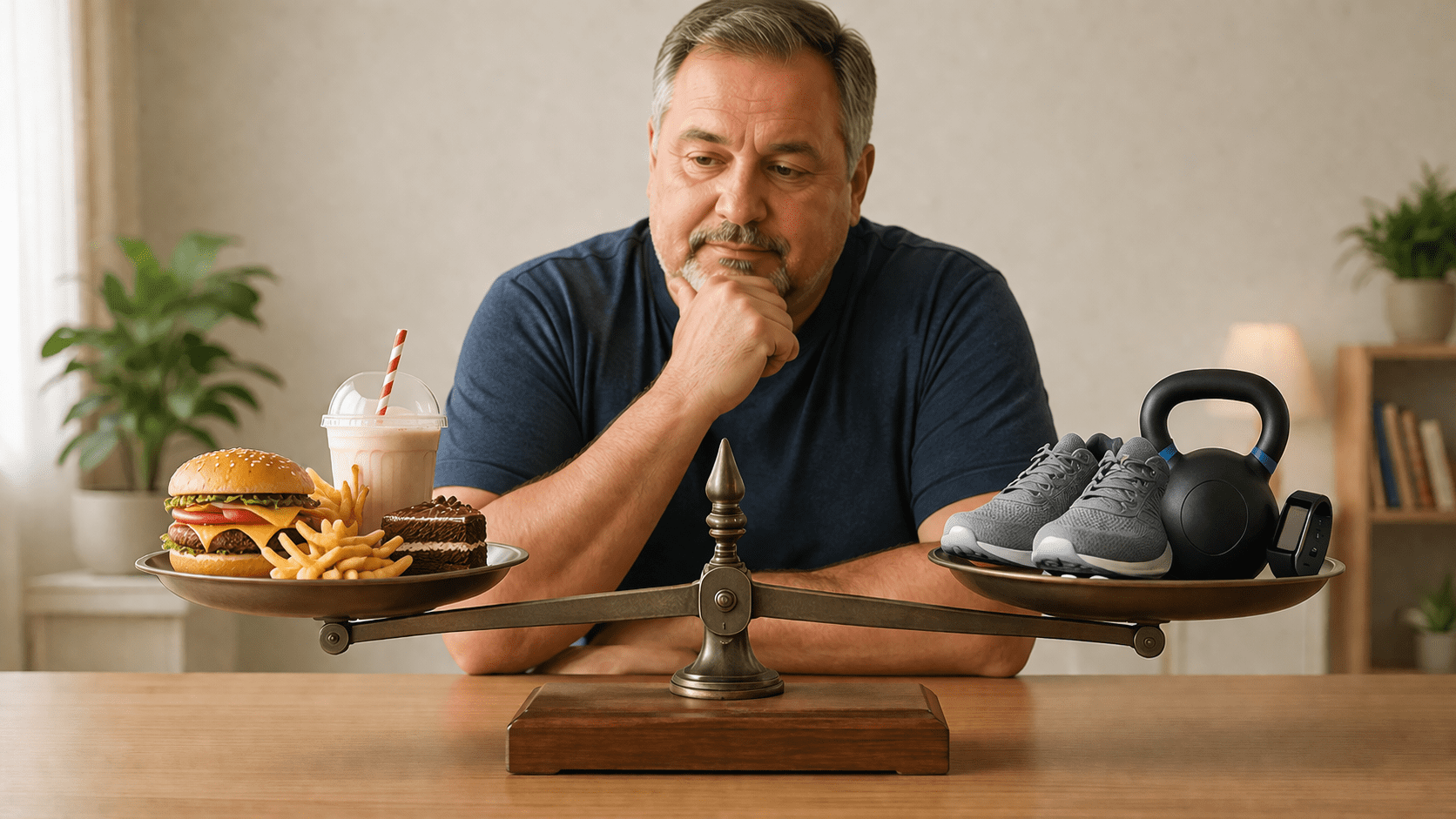
If you’re over 50, you may have noticed that maintaining or losing weight doesn’t come as easily as it once did. While age certainly plays a role, the fundamentals of weight loss are the same for everyone: it’s all about calories in versus calories out. But, the way your body processes and burns calories can change as you age, which is why it’s important to focus on both diet and exercise. In this article, we’ll walk through the basics of weight loss, with a special focus on how to make it work for people over 50.
Calories In vs. Calories Out: The Basics
At the core of any weight loss plan is a simple idea: calories in vs. calories out. This means that if you consume more calories than your body needs, those extra calories are stored as fat. If you consume fewer calories than your body needs, your body will burn fat for energy, and you will lose weight.
- Calories In: These are the calories you consume through food and drink. This includes everything from meals to snacks, beverages, and even things like sauces and dressings that might not seem significant.
- Calories Out: This refers to the calories your body uses in a day. Your body burns calories for basic functions like breathing, digesting food, and maintaining body temperature. This is called your Basal Metabolic Rate (BMR). Beyond that, any physical activity you do—whether it’s walking, exercise, or even moving around your house—burns additional calories.
In simple terms, if you want to lose weight, you need to create a calorie deficit—meaning you need to burn more calories than you consume. But how do you do that in a way that works for you, especially after 50?
The Importance of a Calorie Deficit
A calorie deficit is just a fancy way of saying you’re eating fewer calories than your body burns. This is the golden rule of weight loss. However, creating a sustainable calorie deficit requires more than just cutting back on food—it’s about making smarter choices and combining them with physical activity.
One common mistake people make when trying to lose weight is going on a very restrictive diet. This might work for a short period, but it’s often hard to maintain. Plus, extreme calorie cuts can lead to muscle loss, a slower metabolism, and even nutritional deficiencies. The key is to find a balance that works for your body and your lifestyle.
Why Diet and Exercise Both Matter
As you get older, your body naturally changes, and that can affect your weight. You might find that your metabolism slows down, and you may not burn calories as efficiently as you used to. But that doesn’t mean weight loss is impossible after 50—it just means you need to approach it with the right mindset. Here’s where diet and exercise come in.
1. Diet: Making Smarter Choices
A healthy, balanced diet is essential for weight loss at any age, but it’s especially important as you age. Your body needs the right nutrients to maintain muscle mass, bone density, and overall health. Here are some tips for making your diet work for you:
- Focus on Protein: As you age, you lose muscle mass more easily, and keeping muscle is crucial for maintaining a healthy metabolism. Protein is key to muscle repair and growth, so make sure you’re including lean protein sources like chicken, fish, beans, and tofu in your meals.
- Watch Your Portions: Your metabolism naturally slows down with age, meaning you may not need as many calories as you did in your younger years. Be mindful of portion sizes, and aim to eat smaller meals throughout the day rather than large, heavy meals.
- Increase Fiber: Fiber-rich foods like vegetables, fruits, whole grains, and legumes are not only good for digestion, but they can also help you feel full longer, which can prevent overeating. A high-fiber diet is essential for managing weight and maintaining good digestive health.
- Choose Healthy Fats: Not all fats are created equal. Focus on healthy fats, such as those found in avocados, olive oil, and nuts, and try to limit saturated fats and processed foods.
- Limit Added Sugars and Processed Foods: Foods with added sugars, like sugary snacks and sodas, can quickly add unnecessary calories to your diet without providing much nutritional value. Similarly, processed foods often contain unhealthy fats and sodium, which can impact your health in the long run.
2. Exercise: Boosting Your Metabolism
Exercise plays a huge role in weight loss, especially as we age. Regular physical activity helps burn calories, maintain muscle mass, and boost metabolism. Here’s how to incorporate it into your weight loss plan:
- Strength Training: Building and maintaining muscle is key as we age. Strength training exercises—like lifting weights or using resistance bands—help preserve muscle mass, which in turn helps keep your metabolism working efficiently. Aim for at least two strength training sessions per week.
- Cardio: Cardiovascular exercise (like walking, swimming, or cycling) is excellent for burning calories and improving heart health. If you’re not sure where to start, aim for 150 minutes of moderate-intensity cardio per week, which can be broken down into manageable sessions.
- Balance and Flexibility: Activities like yoga or tai chi can improve balance, flexibility, and strength, which are all important as you age. These exercises not only support weight loss but also enhance your overall quality of life.
- Staying Active Throughout the Day: It’s not just about formal workouts. Keep your body moving throughout the day by taking the stairs instead of the elevator, walking or cycling instead of driving short distances, or doing quick stretches during TV breaks. Every little bit of movement adds up!
How Much Weight Can You Expect to Lose?
Everyone’s body is different, and weight loss can vary from person to person. For people over 50, weight loss might be slower than it was when you were younger, but don’t get discouraged. The important thing is to be consistent and patient. Aim for a weight loss of about 1-2 pounds per week, which is a safe and sustainable rate.
Remember, losing weight isn’t just about looking good—it’s about feeling good and improving your health. Weight loss can reduce the risk of chronic conditions like diabetes, heart disease, and high blood pressure, and it can also help improve your energy levels and mood.
In Conclusion: Start Small, Stay Consistent
When it comes to weight loss over 50, the key is small, sustainable changes. Focus on creating a calorie deficit through a balanced diet and regular exercise. Be patient with yourself, and don’t get discouraged if the results take time to show. With the right approach, you can maintain a healthy weight and enjoy an active, fulfilling life.
So, if you’re looking to get started, remember: focus on what you can control—your eating habits and your physical activity. And always listen to your body; as you age, your needs will evolve, and it’s important to honor that. Start slow, stay consistent, and celebrate every little win along the way. You’ve got this!
Supplements that Support Weight Management
-
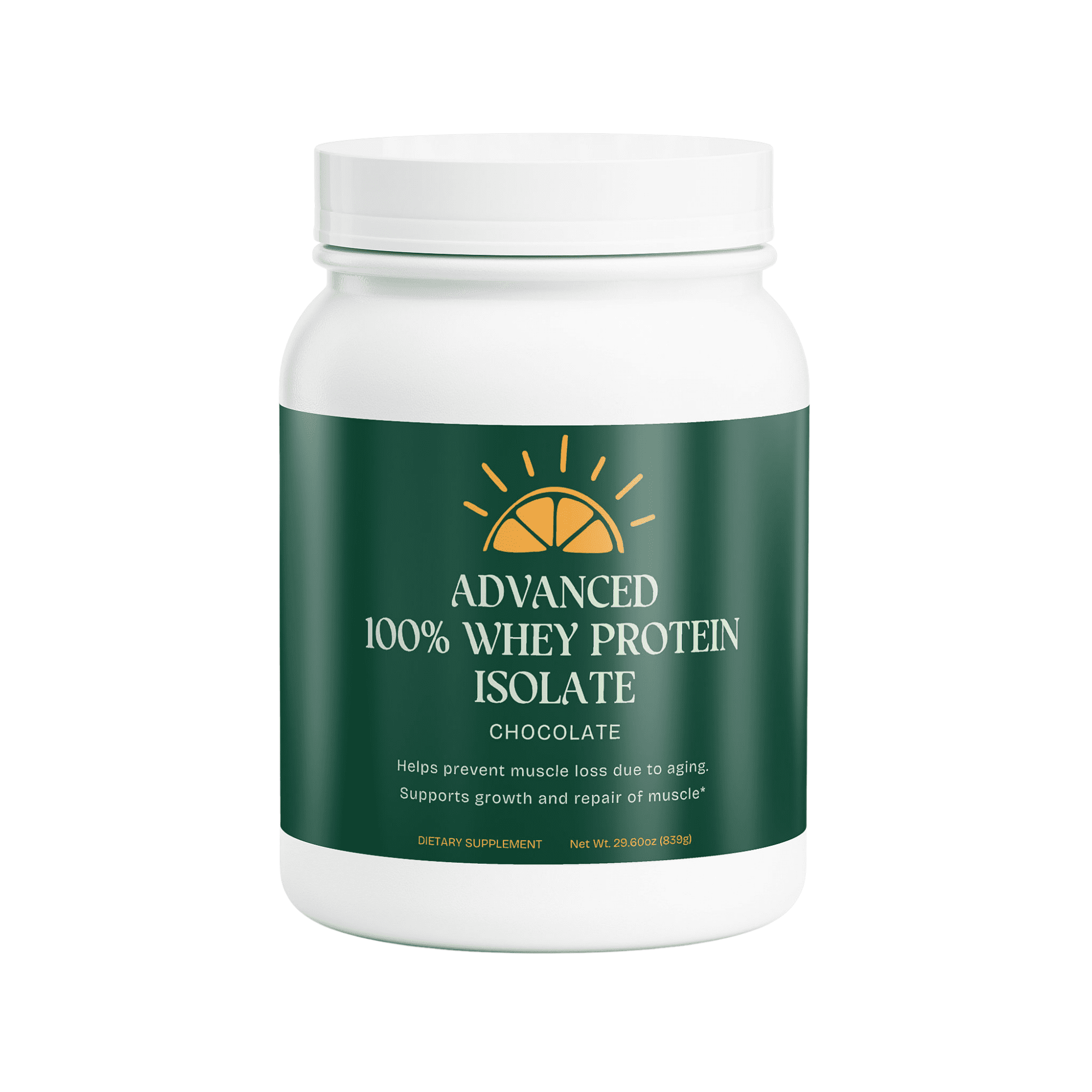
Advanced 100% Whey Protein Isolate, Chocolate, 1.85 lbs (840g)
$67.95 — or subscribe to save 5% -
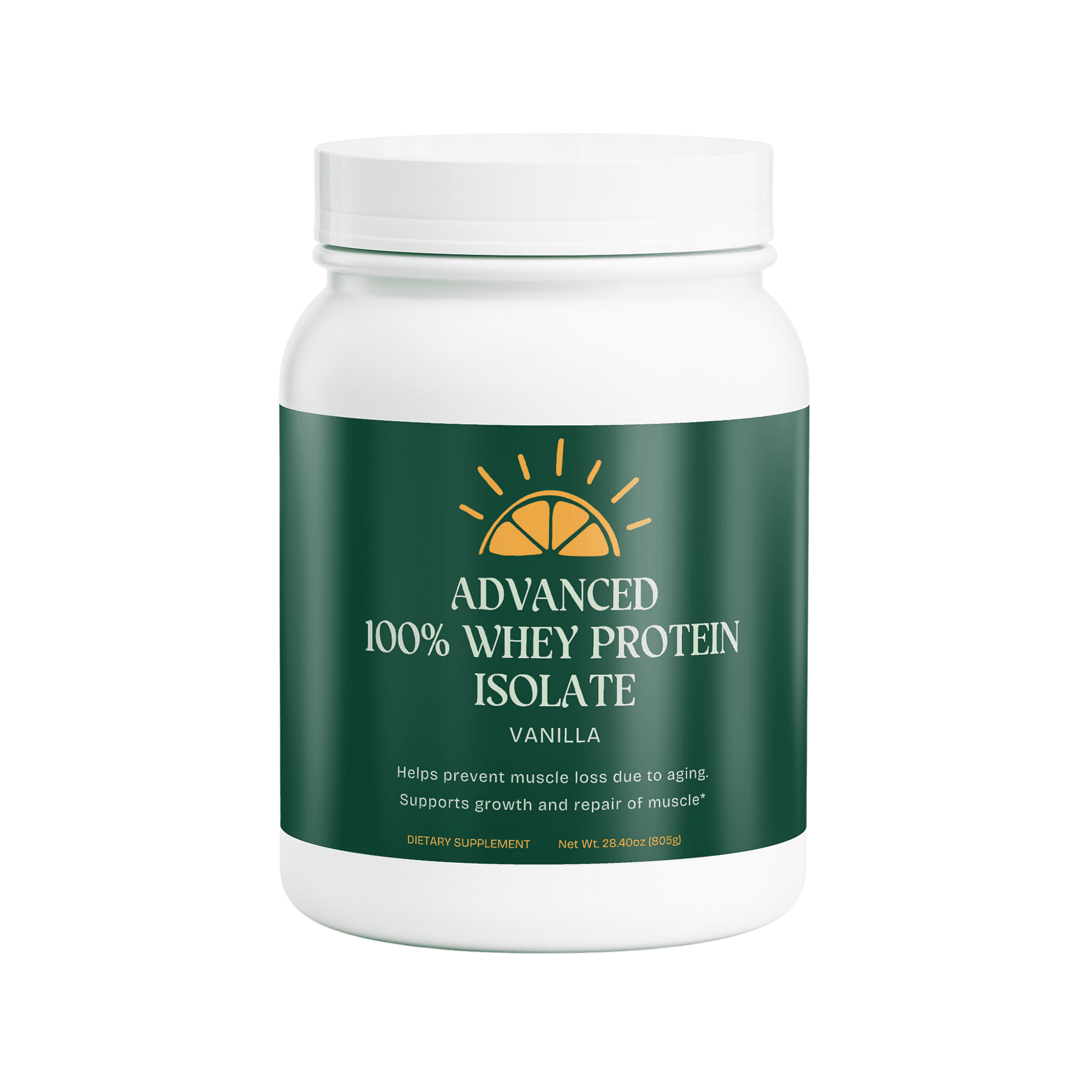
Advanced 100% Whey Protein Isolate, Vanilla, 1.78 lbs (805g)
$67.95 — or subscribe to save 5% -
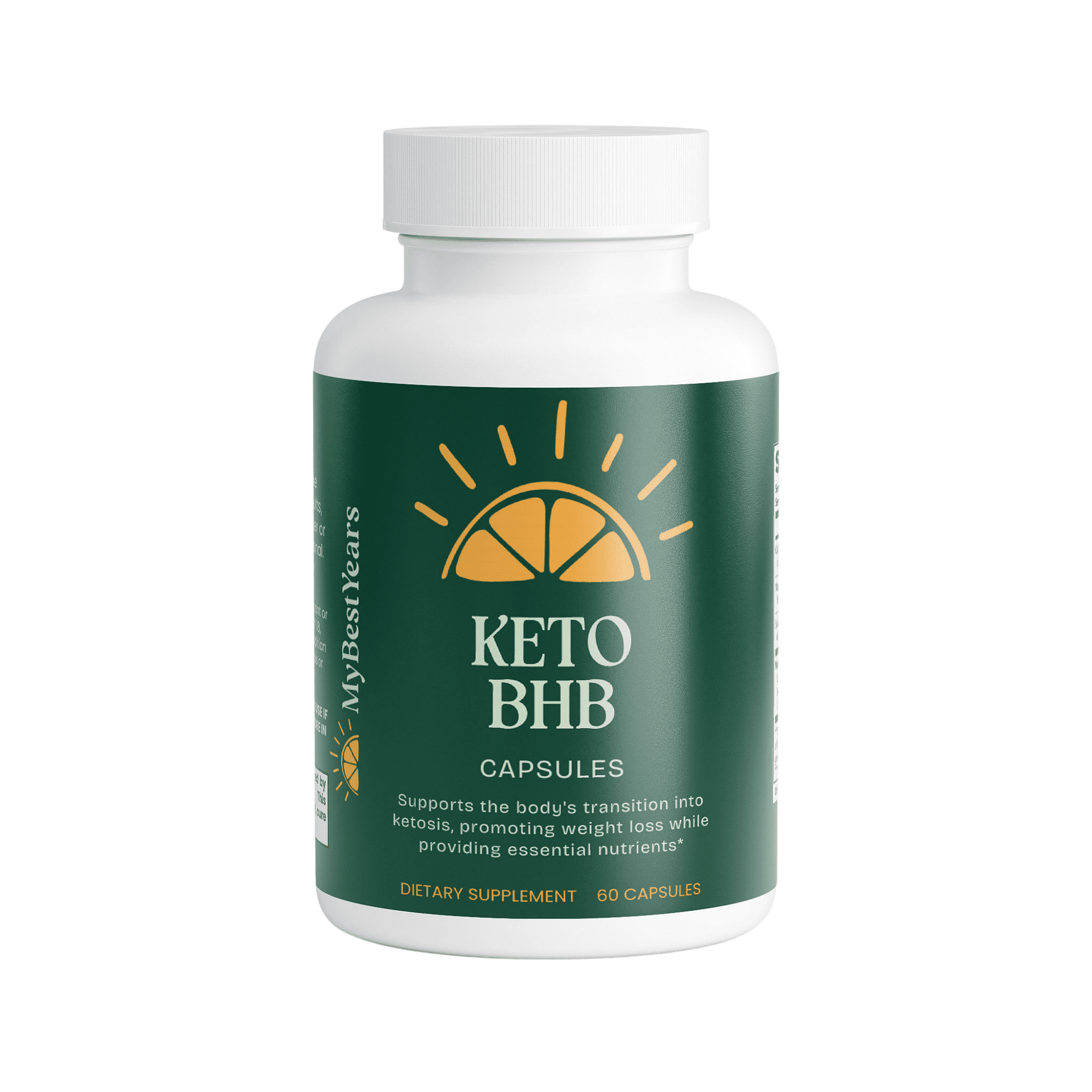
KETO-BHB, 60 Capsules
$19.95 — or subscribe to save 5% -
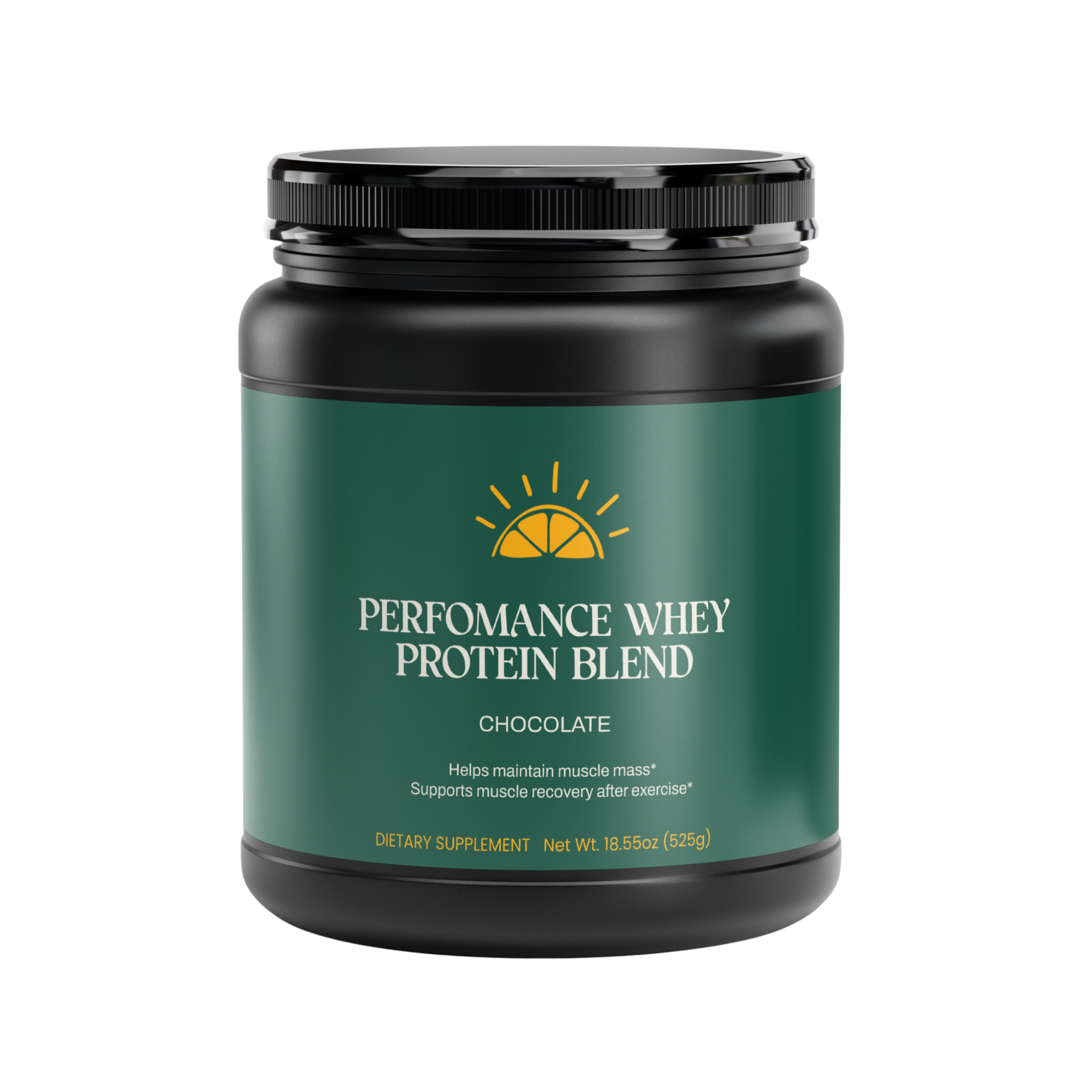
Performance Whey Protein Blend, Chocolate, 1.16lb (525 g)
$42.99 — or subscribe to save 5% -
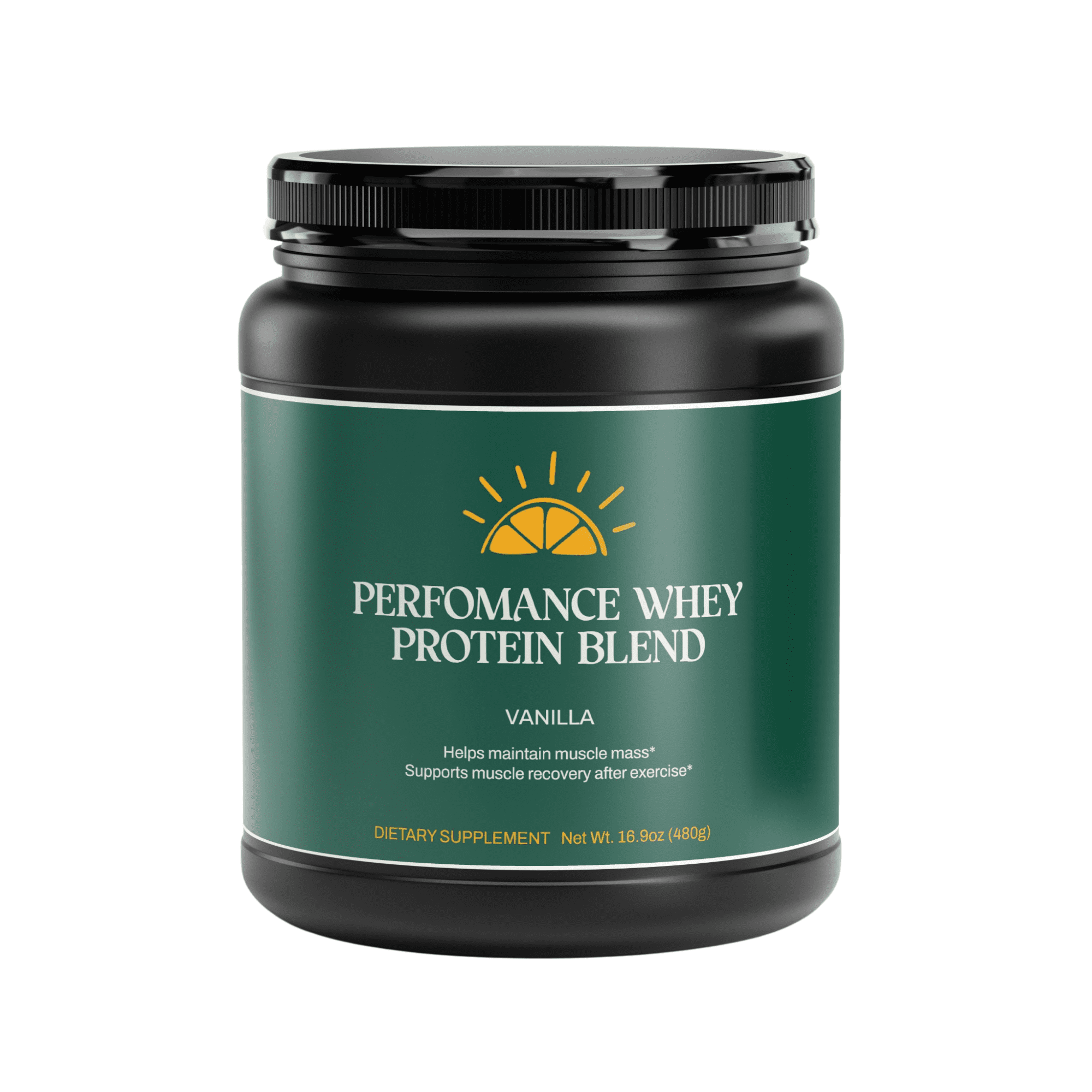
Performance Whey Protein Blend, Vanilla, 1.29 lb (585g)
$42.99 — or subscribe to save 5% -
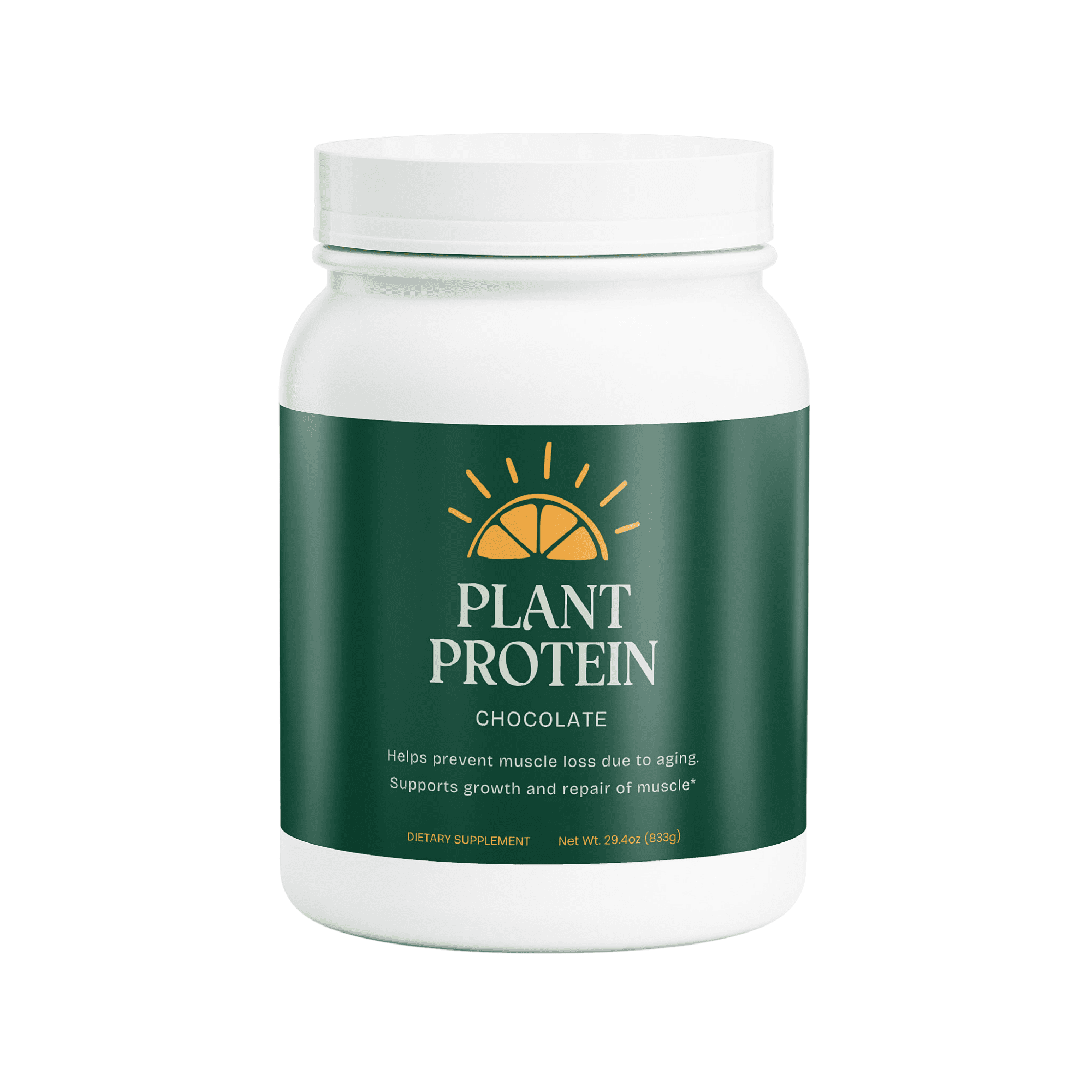
Plant Protein, Chocolate, 1.8 lbs (833g)
$59.99 — or subscribe to save 5% -
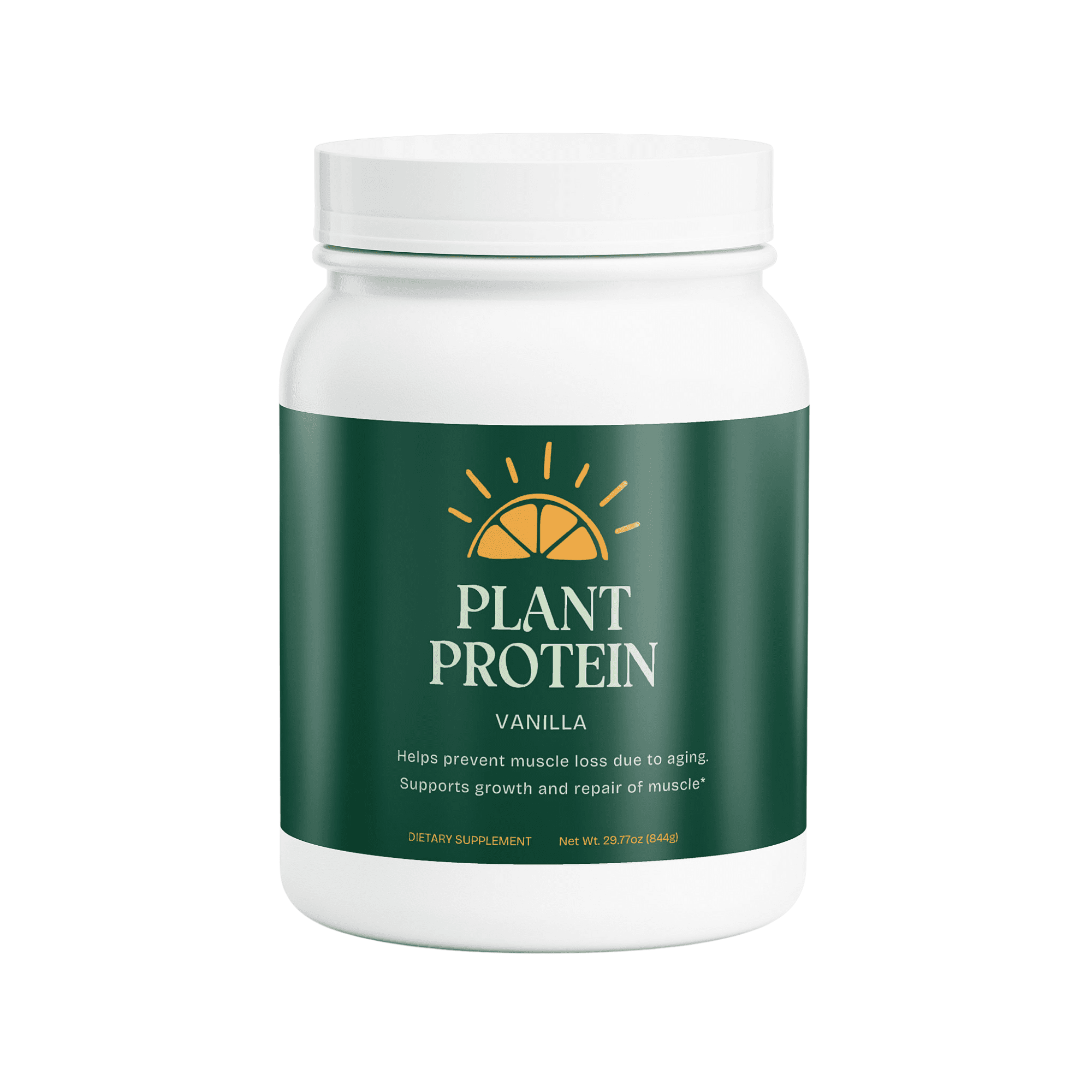
Plant Protein, Vanilla, 1.86 lbs (844g)
$59.99 — or subscribe to save 5% -
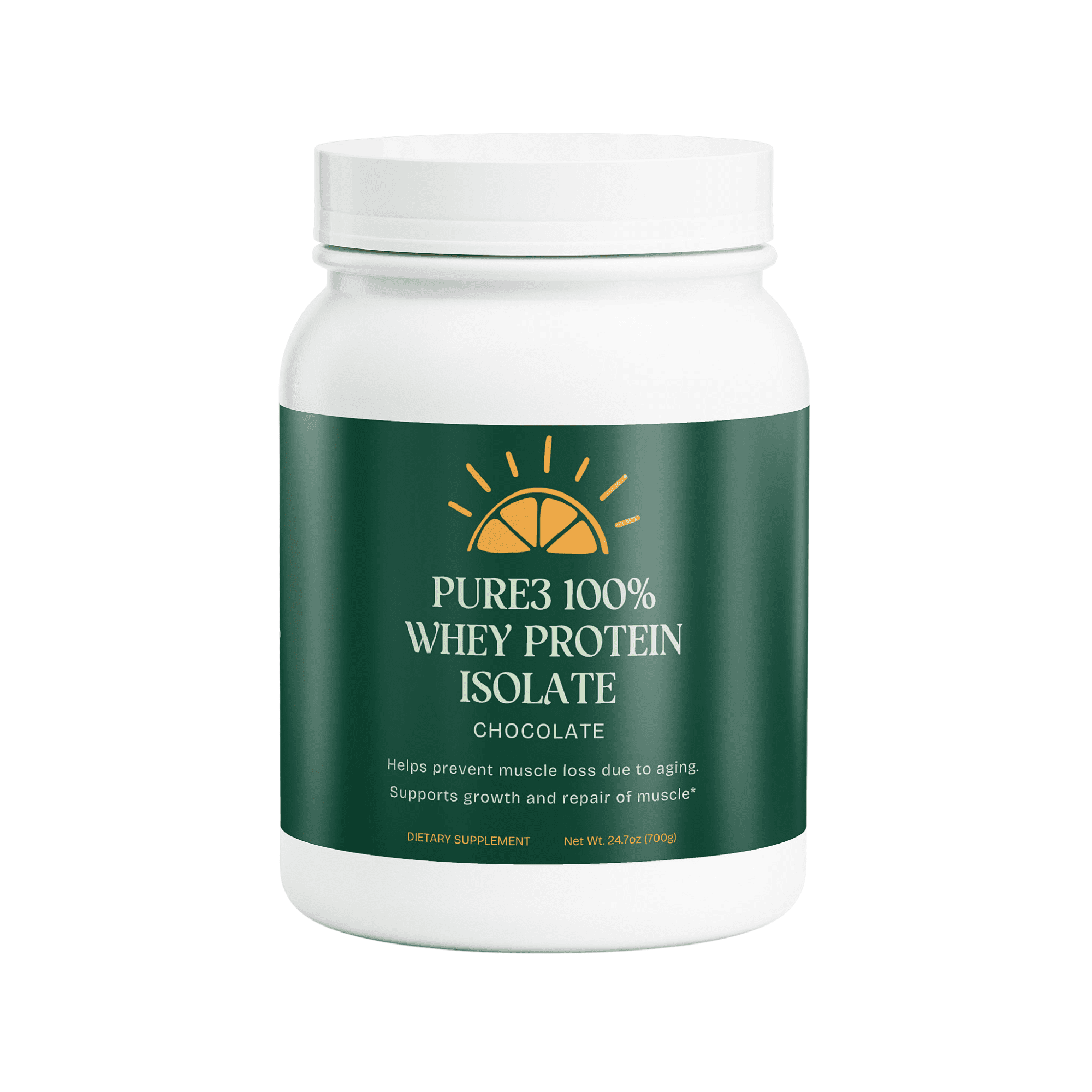
Pure3 100% Whey Protein Isolate, Chocolate, 2.04 lb (925g)
$69.95 — or subscribe to save 5% -
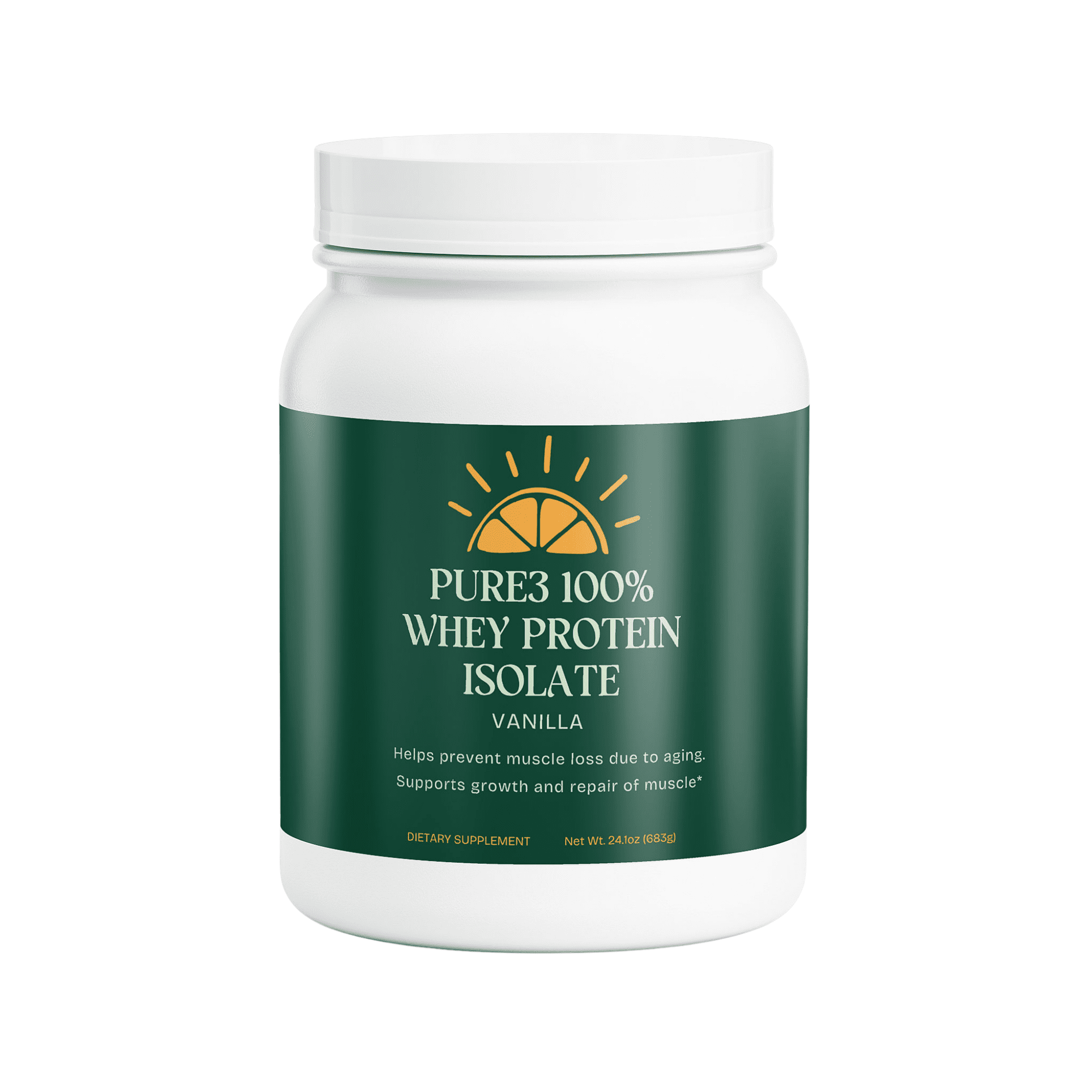
Pure3 100% Whey Protein Isolate, Vanilla, 2 lb (908g)
$69.95 — or subscribe to save 5%