

You will most likley heard of the term ‘Longevity’ – but what is it?
Let’s spend some time understanding longevity, the factors influencing it and most importantly – how you can influence yours.
What is Longevity?
Longevity refers to the length of a person’s life, but it goes beyond just how many years someone lives. It also encompasses the quality of those years — how healthy, active, and engaged someone remains as they age. While genes play a role in determining our lifespan, research has increasingly shown that lifestyle choices, mental health, and social connections significantly influence how long and how well we live.
Understanding the factors that contribute to longevity can help individuals make informed decisions about their health, well-being, and the way they age. In this article, we’ll explore the key drivers of longevity, weighing the importance of diet, exercise, mental health, relationships, and other lifestyle factors in determining our overall lifespan and quality of life.
Overview: What Predicts Longevity?
Longevity isn’t determined by a single factor. Instead, multiple domains shape lifespan and healthspan (years lived in good health):
- Biological/Genetic: accounts for some variation but less than most people think.
- Lifestyle behaviors: diet, exercise, sleep, smoking, alcohol.
- Mental health and happiness: psychological well‑being, stress, purpose.
- Social environment: relationships, community ties, living situation.
- Emerging factors: pets, sense of purpose, social engagement.
Diet & Exercise: Classic Predictors of Longevity
Diet
American nutrition and aging research consistently links healthier diets to longer life:
- Patterns like the Mediterranean diet — rich in vegetables, fruits, legumes, nuts, olive oil, and fish — are associated with lower cardiovascular disease, diabetes, and mortality risk.
- Poor diets high in ultra‑processed foods, added sugar, and saturated fats are connected to chronic diseases that shorten lifespan.
Exercise
- Regular physical activity reduces mortality risk and chronic disease (heart disease, obesity, diabetes).
- Public health data (e.g., from the CDC) show active adults live longer and have lower disability rates.
Bottom line (diet + exercise): These are strong, well‑replicated predictors of longevity in the U.S. and worldwide.
Mental Health & Happiness: Bigger Than We Imagined?
Mental Well‑Being
Mental health — including depression, anxiety, stress, and life satisfaction — influences longevity pathways:
- Chronic stress and loneliness are associated with immune dysfunction and elevated heart and stroke risk — effects comparable to smoking in severity.
- Happiness and life satisfaction correlate with healthier behaviors (better diet, more activity) and long‑term survival.
Happiness in Partners
Interestingly, having a happy spouse/partner predicts lower mortality risk — even more than participants’ own life satisfaction in some studies.
Interpretation:
Mental health isn’t just feel‑good — it affects biological stress response, behavior, and mortality risk.
Social Relationships: The Longevity Multiplier
One of the strongest and most consistent findings from long‑term research (including the iconic Harvard Study of Adult Development) is that close relationships are critical to long and healthy lives:
- Strong social ties are linked to up to 50% greater survival over time compared to weak social connections.
- Loneliness and isolation can elevate the risk of heart attack or stroke by around 30%.
What counts here isn’t just marital status but quality and depth of relationships — close friends, family, community, and meaningful bonds matter.
Friendships vs. Partner Support
Some research suggests that friend support may be a stronger predictor of longevity than partner support (once you control for other variables like physical health).
Why might this be?
- Friends often provide emotional support outside family stress.
- Friend networks reflect broader social integration.
In practice, both close friendships and supportive romantic relationships seem to contribute, especially when they foster healthy habits and reduce stress.
Living With a Partner: Advantage or Not?
Marriage & Cohabitation
- Married people in the U.S. tend to live longer and have better health outcomes than singles. This is especially well documented in large U.S. surveys.
- Cohabiting (living together without marriage) also provides longevity benefits compared to living alone, though marriage sometimes shows a slightly stronger association.
This may reflect not just emotional support but also shared routines, joint health behaviors, and mutual caregiving.
Note: Quality matters. Poor relationship quality (conflict, strain) can blunt or reverse these benefits.
Pets and Longevity: Modest but Positive Evidence
Pet ownership — especially dogs — has been associated with:
- Increased physical activity (e.g., dog walking).
- Emotional support and reduction in stress and loneliness.
- Improved recovery after cardiac events in some studies.
The data here are less definitive than with diet or relationships, but pets may be one piece of a broader social and emotional support system that helps health.
Which Matters Most? Integrating the Data
There’s no single “most important” factor — rather, many interact:
| Domain | Influence on Longevity | Notes |
|---|---|---|
| Diet & Exercise | High | Well‑established disease risk reduction |
| Mental Health & Happiness | High | Affects stress biology and behavior |
| Social Relationships | Very High | One of the strongest predictors in many long‑term studies |
| Living with a Partner | Moderate to High | Benefits vary by quality and context |
| Pet Ownership | Moderate | Likely beneficial through social/emotional pathways |
In other words:
Social and mental well‑being appears to be at least as important as — and in some studies even more predictive of — longevity than diet and exercise alone.
Strong social relationships and psychological resilience help people adopt and sustain healthier habits and buffer stress, amplifying the effects of diet and exercise.
Why Social & Psychological Factors Matter Biologically
Connections and emotional health influence:
- Stress hormone regulation (cortisol)
- Cardiovascular health (heart disease risk)
- Immune function
- Inflammation — a driver of aging processes
- Health behavior adherence (diet, exercise, sleep)
This may help explain why some centenarians emphasize joy, routine, and connection over strict health regimens.
Practical Takeaways
To maximize both longevity and quality of life:
Lifestyle Behaviors
- Eat a balanced, whole‑food diet (e.g., Mediterranean‑style).
- Exercise regularly (150+ minutes of moderate activity weekly).
- Avoid smoking and limit alcohol.
Mental Well‑Being
- Prioritize stress management and purpose.
- Seek help for depression or anxiety.
- Practice mindfulness and gratitude.
Social & Relational Health
- Invest in friendships, family, and community.
- Cultivate supportive, meaningful relationships.
- Consider pets as part of emotional support.
Living Situation
- Long‑term partnerships often confer health benefits, especially when supportive.
- Broader social integration (friends, community) accelerates these benefits.
Summary
Longevity is influenced by a blend of physical, psychological, and social factors. While diet and exercise remain powerful predictors of health span and mortality, there is ample evidence that mental health, happiness, and rich social connections — including relationships with partners, friends, and even pets — play equally important, synergistic roles.
In practical terms, a long life is not just about what you do in the gym or at the dinner table, but also who you connect with and how you feel as you live.
Supplements that Promote Longevity
-
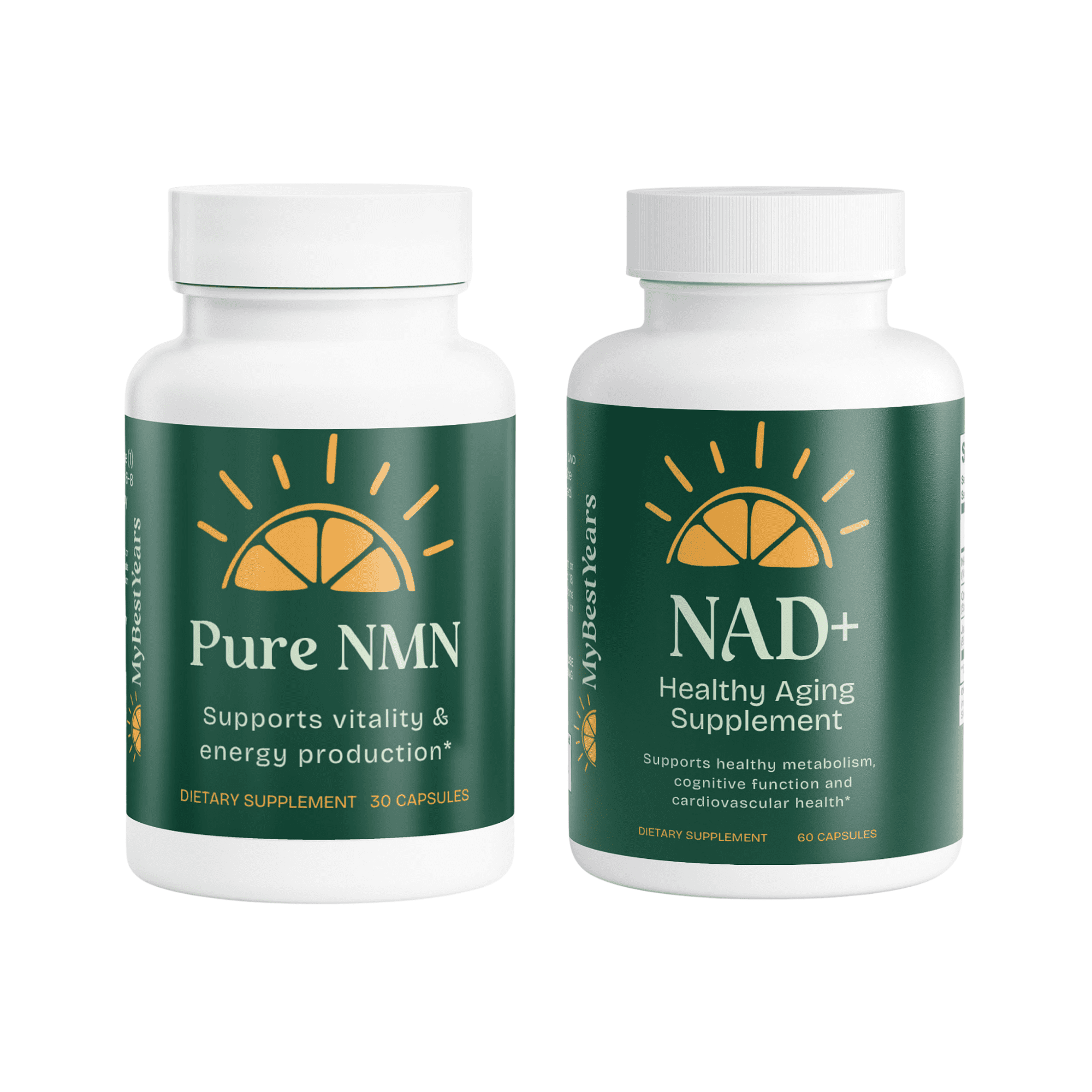
My Anti-Aging & Longevity Bundle
Original price was: $114.00.$97.67Current price is: $97.67. — or subscribe to save 5%