
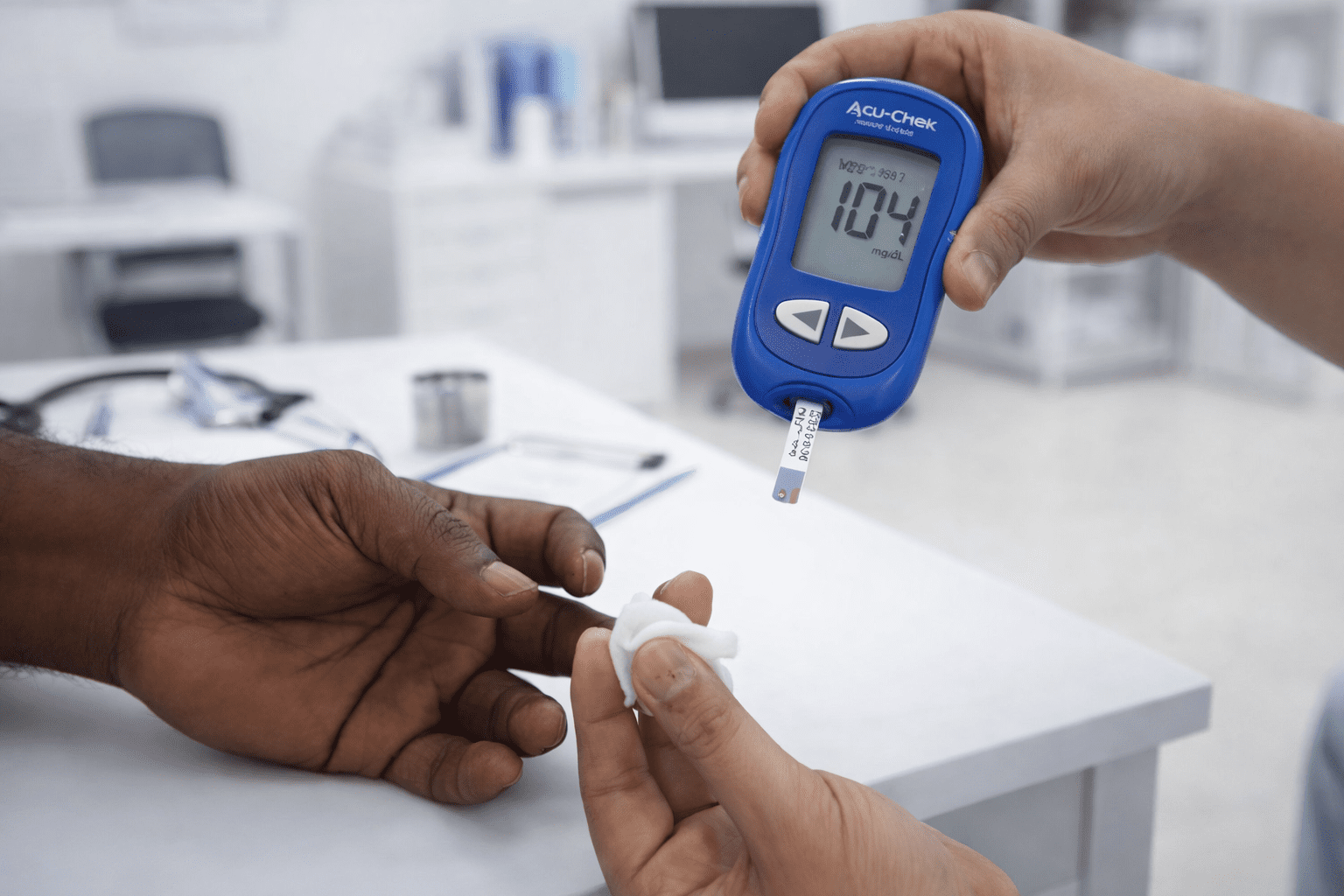
Diabetes is something many people are familiar with, but it can feel like a complex and overwhelming topic, especially as we get older. For those over 50, understanding diabetes and how it can impact your health is crucial. Let’s break it down, talk about why it matters, and explore ways you can manage it to feel your best.
What is Diabetes?
At its core, diabetes is a condition that affects how your body processes glucose (sugar). Glucose is the body’s main source of energy, but to use it, your body needs insulin. Insulin is a hormone produced by the pancreas that helps regulate blood sugar levels. If your body doesn’t make enough insulin or doesn’t use it effectively, glucose can build up in your bloodstream, leading to high blood sugar levels—a hallmark of diabetes.
There are two main types of diabetes:
- Type 1 Diabetes: This type is typically diagnosed in childhood or early adulthood. It happens when the body’s immune system mistakenly attacks and destroys the insulin-producing cells in the pancreas. As a result, people with Type 1 diabetes have to take insulin every day.
- Type 2 Diabetes: This is far more common and usually develops in adulthood, often after age 45. With Type 2, the body either doesn’t produce enough insulin or the cells become resistant to insulin. This type is often linked to lifestyle factors such as poor diet, lack of physical activity, and obesity.
- Prediabetes: This is a warning sign that your blood sugar levels are higher than normal but not high enough to be classified as diabetes. While not everyone with prediabetes will develop Type 2 diabetes, it’s an opportunity to make changes and reverse the condition.
For people over 50, Type 2 diabetes is more common, and the risk increases with age. Managing your blood sugar effectively is key to maintaining your health and preventing complications.
Why It Matters
Diabetes matters because it can affect almost every part of your body. When blood sugar levels are consistently high, it can lead to long-term complications, including:
- Heart disease and stroke: High blood sugar can damage blood vessels and nerves, increasing your risk of cardiovascular problems.
- Kidney disease: Diabetes is one of the leading causes of kidney disease, potentially leading to kidney failure.
- Nerve damage: High blood sugar can cause nerve damage, leading to issues like numbness, pain, and poor circulation, especially in the feet and hands.
- Eye problems: Diabetes can increase the risk of eye diseases like cataracts and retinopathy, which can lead to vision loss.
- Poor wound healing: High blood sugar can slow down your body’s ability to heal, putting you at risk for infections.
But the good news? With the right management, these complications are preventable. Diabetes doesn’t have to control your life—it’s all about staying informed, making healthier choices, and knowing when to seek help.
Different Types of Diabetes (In More Detail)
As we mentioned earlier, there are a few different types of diabetes, but Type 2 diabetes is the one most relevant to people over 50. Let’s take a closer look at each one:
- Type 1 Diabetes: While less common in adults, Type 1 can still develop later in life. It’s an autoimmune condition, meaning your body mistakenly attacks the insulin-producing cells in the pancreas. People with Type 1 diabetes require insulin injections or an insulin pump to regulate their blood sugar levels.
- Type 2 Diabetes: This is the most common form of diabetes and typically develops over time. It’s often tied to lifestyle factors such as diet, weight, and activity level. When your body becomes resistant to insulin, your pancreas works harder to produce more, but eventually, it can’t keep up. Type 2 diabetes is more likely to develop in those over 50, but it’s also seen in younger people, especially with rising rates of obesity.
- Gestational Diabetes: This type of diabetes can occur during pregnancy and usually goes away after childbirth. However, women who have had gestational diabetes are at an increased risk of developing Type 2 diabetes later in life.
- Prediabetes: This is a warning sign that your blood sugar levels are higher than normal but not high enough to be classified as diabetes. Prediabetes is a serious condition, as it can lead to Type 2 diabetes, heart disease, and stroke if left untreated. The good news? You can often reverse prediabetes with lifestyle changes.
Benefits of Managing Blood Sugar
Managing your blood sugar effectively can make a world of difference to your health, both now and in the future. By staying on top of your diabetes, you can:
- Prevent complications: Proper blood sugar control helps prevent complications like heart disease, kidney failure, nerve damage, and vision problems.
- Feel better: People who manage their diabetes well often report feeling better overall, with more energy, better mood, and improved mobility.
- Increase longevity: With better diabetes management, you can live a longer, healthier life with fewer complications.
- Maintain independence: By staying on top of your health, you can stay active and independent, continuing to do the things you love without diabetes slowing you down.
What Normal Looks Like
It’s important to understand what normal blood sugar levels look like so you can track your progress. Here are the general guidelines for blood sugar levels:
- Fasting blood sugar (before meals): 70–99 mg/dL (milligrams per deciliter) is considered normal.
- After meals (postprandial): Less than 140 mg/dL is considered normal two hours after eating.
- A1C levels: The A1C test measures your average blood sugar level over the past 2–3 months. A normal A1C level is below 5.7%. An A1C between 5.7% and 6.4% indicates prediabetes, while 6.5% or higher means diabetes.
If your levels are outside of these ranges, don’t panic. It’s important to work with your healthcare provider to develop a plan that works for you.
Risk Factors for Diabetes in People Over 50
While diabetes can affect anyone, certain factors make it more likely, especially as we age. These risk factors include:
- Age: Your risk increases as you get older, particularly after age 45.
- Family history: Having a close family member with diabetes increases your risk.
- Obesity: Being overweight or obese significantly raises your risk of developing Type 2 diabetes.
- Physical inactivity: Lack of exercise is a major risk factor for diabetes.
- High blood pressure: People with high blood pressure are at a higher risk of developing Type 2 diabetes.
- Gestational diabetes: If you had diabetes during pregnancy, you’re more likely to develop Type 2 diabetes later in life.
Even if you have one or more of these risk factors, it’s still possible to manage and even reverse prediabetes or Type 2 diabetes with the right changes.
How to Improve: Traditional Approaches, Herbal/Natural Solutions, and Supplements
The good news is that managing and improving diabetes is possible with a combination of approaches. Here’s how you can take control:
Traditional Approaches:
- Diet: Focus on a balanced diet with plenty of fiber, lean proteins, healthy fats, and low-glycemic-index foods. Avoid sugary drinks, processed foods, and excessive carbs.
- Exercise: Regular physical activity, such as walking, swimming, or cycling, can help improve insulin sensitivity and regulate blood sugar.
- Weight management: Losing weight can significantly improve blood sugar control. Even losing a small amount of weight (5–10%) can make a big difference.
- Medications: If necessary, your doctor may prescribe medications to help manage your blood sugar. These could include metformin or other drugs that help your body use insulin more effectively.
Herbal and Natural Approaches:
- Cinnamon: Some studies suggest that cinnamon may help improve insulin sensitivity and lower blood sugar levels.
- Berberine: Found in several plants, berberine has been shown to help lower blood sugar levels and improve insulin sensitivity.
- Turmeric: Curcumin, the active compound in turmeric, may help reduce inflammation and improve insulin sensitivity.
- Fenugreek: This herb has shown promise in lowering blood sugar levels and improving insulin function.
Supplements:
- Magnesium: Low magnesium levels are linked to insulin resistance, so taking a magnesium supplement may help improve blood sugar control.
- Alpha-lipoic acid: This antioxidant has been shown to improve insulin sensitivity and reduce nerve damage associated with diabetes.
- Chromium: This mineral plays a role in carbohydrate and fat metabolism, and supplements may help improve blood sugar control.
Before adding any herbs or supplements to your routine, it’s a good idea to talk to your healthcare provider to ensure they’re safe and right for you.
Where to Go for More Help
If you’re over 50 and concerned about diabetes, the first step is to talk to your doctor. They can help you assess your risk, monitor your blood sugar levels, and create a management plan that works for you. If you need additional support, consider these options:
- Diabetes educator: A certified diabetes educator can help you learn how to manage your condition and make lifestyle changes.
- Nutritionist or dietitian: A nutritionist can help you create a meal plan that supports healthy blood sugar levels.
- Support groups: Joining a diabetes support group can provide encouragement and tips from others who are going through the same experience.
Living with diabetes doesn’t have to be a burden. With the right knowledge, lifestyle changes, and support, you can manage your diabetes effectively and continue living a full, active life.
Final Thoughts
Diabetes is a serious condition, but with the right steps, you can prevent complications and live well in your 50s and beyond. The key is to understand the risks, recognize the symptoms, and take proactive steps to manage your blood sugar. It may feel like a lot at first, but with each small change, you’ll be making a positive difference in your health. Don’t be afraid to ask for help along the way — you’re not alone in this journey.

Alot of good info and key factors that will help me manage my diabetes..
I’m glad you have found it useful Patti.